Agricultural Drones in South Africa: Crops, Regulations, and Dealer Opportunity


Thinking about using a crop spraying drone in South Africa? You’re not alone.
From field crops and sugarcane to citrus farms, orchards, vineyards, and hilly land, many South African growers are looking for smarter ways to spray. A drone can save time, reduce labour, and make hard-to-reach areas easier to manage.
But before you choose one, there are a few things worth knowing. Will it suit your crops? What rules do you need to follow? Can you get local service and spare parts? And what drone size is right for your farm?
This guide walks you through the basics in a simple, practical way. It is not legal advice. Before operating, buyers should verify current SACAA requirements, agricultural-remedy rules, pesticide labels, insurance, pilot training, and local operating permissions.
Why South Africa Is a Strong Candidate for Spray Drones
South Africa has several conditions that can support drone spraying demand. Statistics South Africa reported major production volumes for maize and sugarcane, while export-oriented horticulture sectors such as citrus, fruit, vineyards, and nuts create high-value crop protection needs. These crop systems often face short spray windows, wet soil, tall canopies, steep slopes, fragmented blocks, and labor pressure.
Spray drones are not a replacement for every boom sprayer, backpack team, or aircraft. Their value is strongest where they solve a specific access, timing, or precision problem. A drone may help when a tractor cannot enter a wet field, when sugarcane is too tall for easy ground access, when orchard terrain is difficult, or when a service provider needs to treat smaller blocks without mobilizing large equipment.
For dealers, the opportunity is not only hardware sales. Buyers will need demonstrations, training, original parts, compliance guidance, spray setup, maintenance, warranty support, and seasonal service response. A serious agricultural drone South Africa business should be built around support as much as product performance.
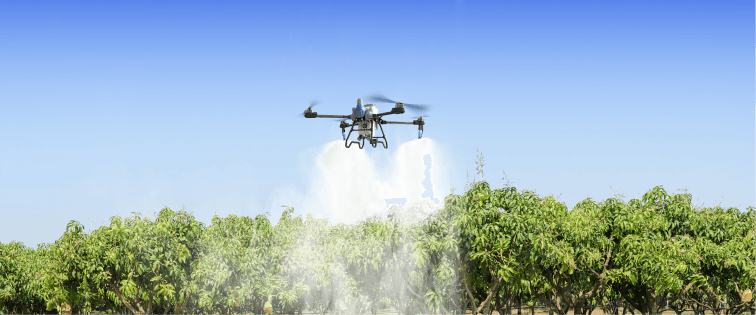
Crop Fit: Where Drone Spraying Can Make Sense
Crop fit should come before product selection. The best crop spraying drone South Africa plan starts with the crop, target pest or disease, label, water volume, terrain, canopy, and operating model.
|
Crop or Crop Group |
Why Drones May Fit |
What to Verify |
|
Maize and field crops |
Fast entry after rain, targeted jobs, reduced ground damage |
Label, volume, swath, hectares per day |
|
Sugarcane |
Tall crop access, wet soils, hard-to-enter blocks |
Canopy penetration, terrain, drift, label |
|
Citrus and orchards |
High-value crop protection, slopes, tree canopy work |
Deposition inside canopy, droplet size, label |
|
Vineyards |
Slopes, narrow rows, disease-pressure timing |
Drift control, trellis type, wind, coverage |
|
Vegetables and specialty crops |
Smaller blocks, frequent applications, service demand |
Crop sensitivity, residue limits, label |
Maize and field crops may fit drone spraying when ground equipment is delayed or when a targeted treatment is needed. The key question is whether the drone can meet the required water volume and coverage within the spray window.
Sugarcane is a strong category to evaluate because tall cane, wet soils, and difficult access can make tractor spraying challenging. A service provider can also move between growers if demand is clustered in one region.
Citrus, orchards, vineyards, macadamia, avocado, and other high-value crops require more technical evaluation. Buyers should test canopy coverage, not just flight speed. For orchard work, spray cards or other deposition checks should be used to confirm whether droplets reach the target area.
Drone Spraying Regulations in South Africa: What to Verify
Drone spraying regulations South Africa planning should start before purchase. The operation may involve both aviation rules and agricultural-remedy rules.
The South African Civil Aviation Authority is the key aviation authority. SACAA's UAS information page references Part 101 and lists requirements connected to commercial operations, including registration, Certificate of Registration, UASOC, RLA, and RPL. Buyers should confirm current requirements directly with SACAA or qualified aviation advisors.
The agricultural-remedy layer is also important. The product label must allow the intended crop, pest, rate, timing, and application method. CropLife SA guidance on aerial application and drone use emphasizes label compliance, training, registration, and licensing before applying agricultural remedies by drone.
Before launch, confirm:
- Aircraft registration and approval requirements
- Pilot licensing and training requirements
- UASOC or operating certificate requirements for commercial work
- Airspace, height, distance, and landowner permissions
- Product label permission for aerial or drone application
- Drift control, PPE, re-entry interval, and worker safety
- Insurance, records, spray logs, weather logs, and maintenance records
A dealer should treat compliance as part of the sales process. Selling a drone without discussing rules creates risk for the buyer and weakens long-term trust.
Dealer Opportunity: What South African Buyers Will Need
The dealer opportunity is strongest when a supplier can support the full operating lifecycle. South African farms and contractors will need more than a quote. They will need proof that the drone can work in their crop, in their region, with parts and service available during the season.
EAVISION's after-sales support page highlights service stations, original accessories, EAVISION Academy, online and offline parts support, remote technical guidance, and 24/7 online customer service. Those points are useful for dealer positioning, but local execution still matters.
Dealers should prepare:
- Crop-specific demos in maize, sugarcane, orchards, vineyards, or specialty crops
- Training for pilots, loaders, technicians, and farm managers
- Local inventory for consumables, nozzles, filters, pumps, propellers, batteries, and chargers
- A clear warranty and maintenance workflow
- A compliance referral network for aviation, insurance, and chemical-use questions
- ROI calculators for hectares per day, cost per hectare, batteries, labor, and service revenue
A dealer can sell hardware, operate a custom spraying service, or build a hybrid model with sales, service, training, and seasonal support. In many regions, custom service may help buyers test the value before purchasing their own drone.
Product Fit: J150 and J70 Use Cases
EAVISION J150 and EAVISION J70 serve different needs.
EAVISION J150 is the larger option. EAVISION's J150 specifications include a 70 L spray tank, 40 L/min maximum flow rate, up to 15 m effective spray width, 10-300 um droplet range, 45,000 mAh battery capacity, IPX6K whole-drone rating, and fast charging. For South Africa, J150 may fit larger service providers, sugarcane work, field-crop jobs, and orchard programs where capacity and productivity matter.
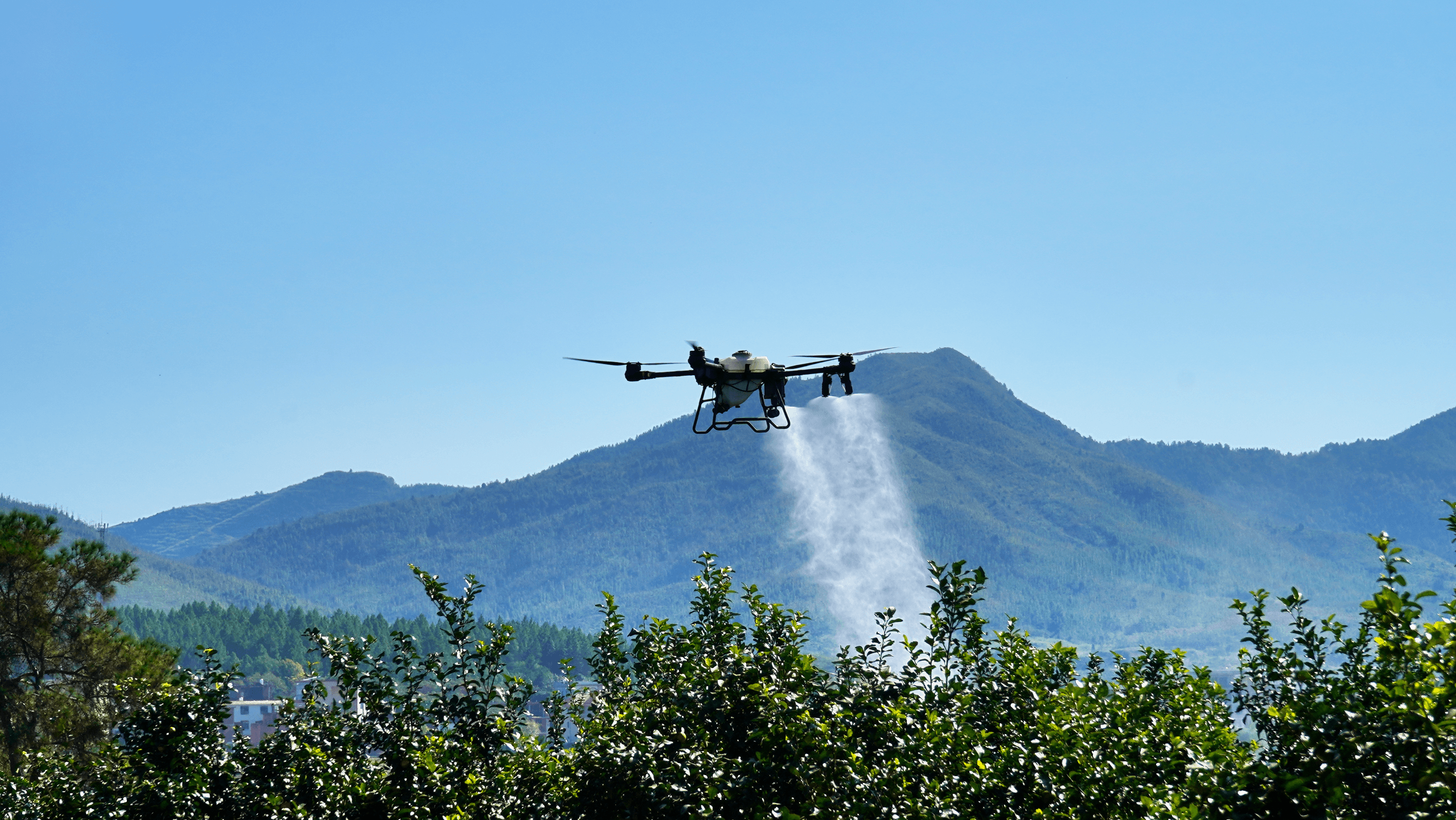
EAVISION J70 is more compact. EAVISION's J70 features a 35 L spray tank, 24 L/min maximum flow rate, up to 10 m spray width, 10-300 um droplet range, 29,000 mAh battery capacity, and IPX6K rating. J70 may fit smaller farms, specialty crops, compact blocks, dealer demonstrations, and entry-level service routes.
The right choice is not always the largest drone. Choose based on crop, label, terrain, daily workload, battery workflow, local support, and dealer service capacity.
Buyer Checklist
Before buying a crop spraying drone South Africa package, ask:
1. Which crops and applications will the drone serve?
2. Does the product label allow the intended use?
3. What SACAA requirements apply?
4. Who will operate the drone, and how will they be trained?
5. Which model fits the workload: J150 or J70?
6. How many batteries, chargers, and refilling tools are required?
7. Where are original parts stocked?
8. Who provides maintenance and warranty support?
9. How will spray coverage be verified?
10. What records will be kept for compliance and customer trust?
Conclusion
South Africa has strong potential for agricultural drone adoption, but success depends on more than buying a machine. Farms and dealers should start with crop fit, verify drone spraying regulations South Africa requirements, test spray coverage, and build a local support plan.
For EAVISION dealers, the biggest opportunity is to become a trusted service partner: provide demos, training, parts, maintenance, compliance guidance, and real crop-specific advice. That is what turns an agricultural drone South Africa inquiry into a productive long-term business.
FAQ
Are agricultural spray drones legal in South Africa?
They may be used only when the operation meets applicable aviation and agricultural-remedy requirements. Buyers should verify SACAA rules, product labels, training, certification, insurance, and records before operating.
What are the main drone spraying regulations South Africa buyers should check?
Check SACAA Part 101/UAS requirements, aircraft registration, pilot licensing, operating certificate requirements, airspace limits, maintenance rules, and pesticide or agricultural remedy label requirements.
Which crops are best suited for drone spraying in South Africa?
Potential crops include sugarcane, citrus, orchards, vineyards, maize, vegetables, macadamia, avocado, and other high-value crops. Suitability depends on label permission, target pest, canopy, volume, terrain, wind, and economics.
Is J150 or J70 better for South Africa?
J150 is better for larger-capacity work and service providers. J70 may fit smaller farms, compact blocks, specialty crops, and entry-level demo programs. The choice should match crop, workload, and support model.