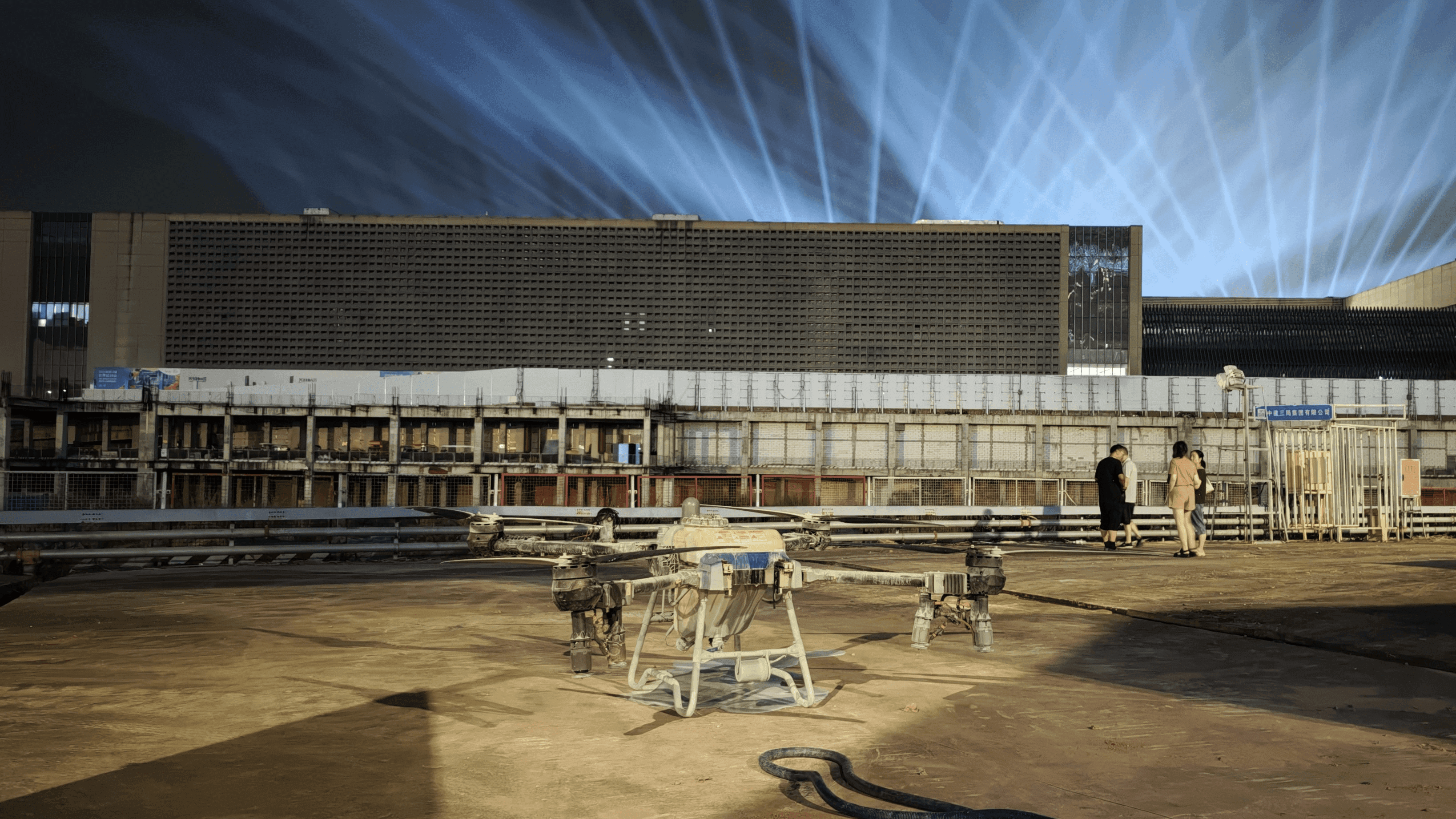
Drone Spraying vs Manual Spraying: Which Is Better for Small Farms?


If you run a small farm of 5 to 50 acres growing citrus, rice, soybeans, or vegetables, you've probably asked yourself this question. Is it time to ditch the backpack sprayer?
It's a fair question. Drone spraying vs manual spraying isn't just a technology debate anymore. It's a real financial and operational decision that farmers all over the world are making right now. In Thailand alone, drones were used on 30% of farmland in 2023, up from almost none in 2019. And in the U.S., agricultural drones registered with the FAA leaped from about 1,000 in January 2024 to around 5,500 in mid-2025.
So let's get into it honestly, without the hype.
Drone vs. Manual Spraying: The Speed Gap
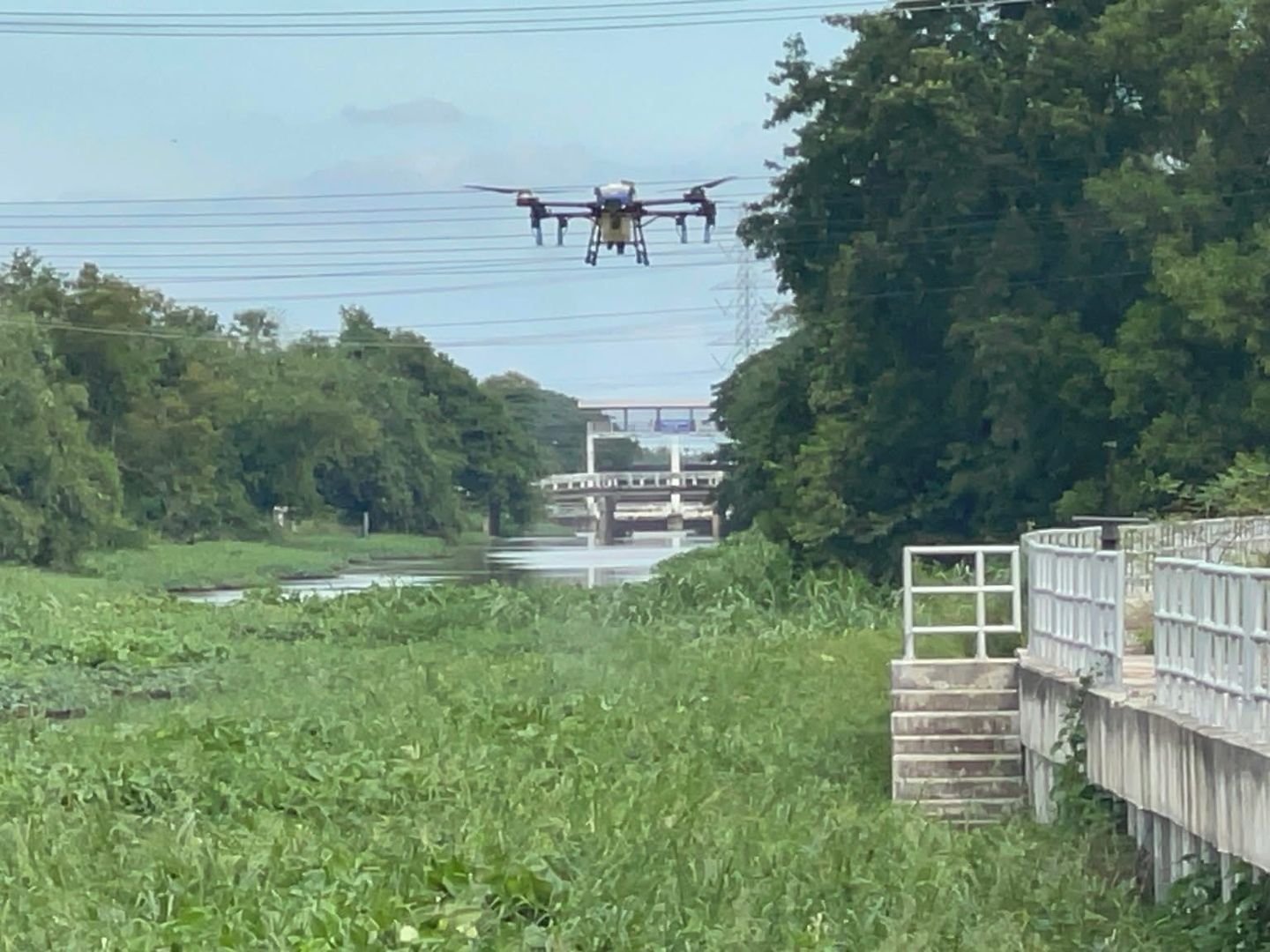
Here's where drones pull away fast. Manual spraying with backpack sprayers typically covers around 1 hectare per day. One hectare. Per day. That's a single worker dragging a 15-liter tank across your field, row by row.
Drones, by contrast, can cover between 10 and 25 acres of farmland per hour, which is equivalent to the work of 30 to 100 workers spraying manually. Even on a small farm, that difference matters. Agricultural drone spraying helps you treat crops at the right time, whether before rain, during pest outbreaks, or at key growth stages.
Quick-Reference: Speed Comparison
|
Method |
Coverage Rate |
Workers Needed |
|
Backpack sprayer |
~1 hectare/day |
1 worker per unit |
|
Tractor-mounted sprayer |
~5–6 hectares/day |
1–2 workers |
|
Drone spraying |
~6–18 hectares/hour |
1 operator |
That speed advantage isn't just about convenience. For many producers, timing is one of the most important factors affecting crop performance. Missing a narrow application window can reduce effectiveness and hurt yields.
Drone vs. Manual Spraying: Precision and Chemical Savings
Manual spraying has an accuracy problem. Agricultural spray drones deliver accuracy levels between 85% and 97%, compared to manual spraying at 60% to 70%. That gap means wasted chemicals, uneven coverage, and money literally on the ground.
Research published in PLOS One found that drone spraying reduced chemical waste by 30% and saved 25% on water usage compared to traditional methods. Precise targeting also improved crop yield by 15%.
We've been developing proprietary nozzle technology since 2017. Our 4th-generation CCMS® bimodal mist nozzles combine three-stage droplet fragmentation with a dual-channel flow design to produce droplets as fine as 10μm. Why does that matter? Finer droplets mean better canopy penetration, less drift, and more chemical actually reaching the pest or disease target. For small farms growing high-value fruit or specialty crops, that kind of precision directly affects your bottom line.
Drone vs. Manual Spraying: The Real Cost Comparison
Let's talk money. Yes, drones cost more upfront. But that's only half the equation.
Drone spraying requires 75–90% less labor than traditional methods. Precision application reduces chemical usage by 20–30%. And drones can treat 30–40 acres per hour, compared to 15–20 for traditional equipment.
Though drone technology may require a sizable initial investment, the return on investment usually shows up within 1 or 2 cropping seasons thanks to lower input costs and better yields. And if you're not ready to buy? Drone-as-a-service models are growing across Southeast Asia and Latin America, letting you hire a pilot and drone per hectare with no capital outlay required.
For farms exploring EAVISION's agricultural drone lineup, including the EA-J150 and the EA-J70, the flexibility is built in. Spraying, spreading fertilizer, even seed broadcasting, all from the same platform.
Drone vs. Manual Spraying: Worker Safety
Here's something we don't talk about enough. Manual spraying is both labor-intensive and hazardous. Prolonged exposure to chemical pesticides can cause respiratory and skin diseases. In tropical climates across Southeast Asia and Latin America, where heat, humidity, and long field hours compound the risk, this is a real health concern.
Drones eliminate the need for workers to handle toxic chemicals directly. In orchards, for example, drones can precisely spray deep into the canopy, avoiding the overexposure that occurs with manual spraying.
Drone vs. Manual Spraying: Performance on Hills and Uneven Terrain
This is where a lot of small farms hit a wall. Many are on slopes, terraces, or irregular terrain where tractors can't go and backpack spraying is brutal.
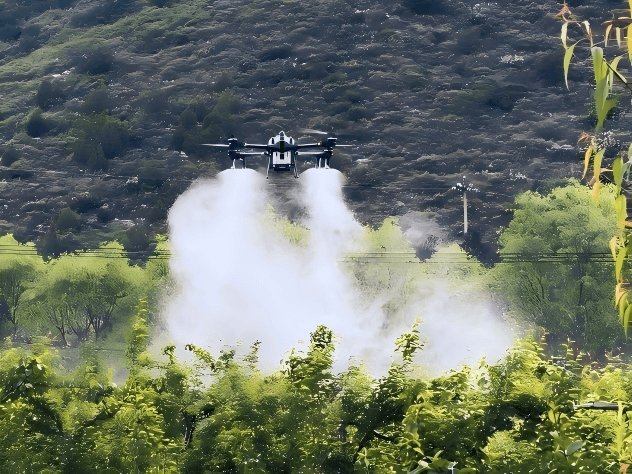
EAVISION's autonomous drone system, the J150, adjusts to terrain in real time, maintaining steady flight and consistent application even on hills and irregular ground. Built on automotive-grade LiDAR and a triple-radar array, it provides 360-degree environmental awareness, allowing it to master steep grass-covered terraces and dense orchards.
That's not a lab claim. Across crops like sugarcane, soybeans, and fruit plantations in Brazil, the system supports more reliable operations under challenging conditions, with proven performance in global markets.
So… Which One Should You Pick?
Here's our honest take.
If your farm is under 2 hectares (~5 acres), with flat terrain, simple field conditions, and low-cost local labor, manual spraying might still make financial sense, at least for now. Studies show that for farms larger than about 2.27 hectares, the cost-benefit ratio favors drone adoption, while for smaller plots, traditional methods may remain more cost-effective.
But for anything bigger, anything with slopes, anything with high-value crops, or anywhere labor is getting scarce? Drones win on speed, precision, safety, and long-term ROI.
FAQs
Is drone spraying worth it for a small farm?
Yes, if your farm is above roughly 5 acres (2 hectares). Drones reduce water usage and emissions, and for farms above about 2.27 hectares, the cost-benefit ratio favors drone adoption. Below that threshold, manual spraying can still be viable depending on labor costs in your region. Drone-as-a-service options also make it accessible without buying a drone outright.
How much pesticide do drones save compared to manual spraying?
According to the FAO, precision agriculture technologies like drone spraying can reduce chemical usage by up to 30% while maintaining or improving crop health. Real-world results vary, but most field studies confirm savings between 20–40% depending on crop type and terrain.
Can agricultural drones work on hilly terrain?
Absolutely. Systems like the EAVISION J150 adjust to terrain in real time, maintaining steady flight and consistent application even on hills and irregular ground. This is a major advantage over both backpack sprayers (physically exhausting on slopes) and tractor sprayers (often can't access steep areas at all).
Are there regulations for using spray drones?
Yes, and they vary by country. Regulations around drone usage differ by region, restricting where and how farmers can deploy them. In the U.S., you'll need an FAA Part 107 certificate and state-level pesticide applicator licensing. In Latin America and Southeast Asia, regulatory frameworks are evolving quickly, so check local aviation and agricultural authorities before you buy or hire.
How fast can a drone spray compared to manual methods?
Manual spraying covers about 1 hectare per day, while drones can spray approximately 10–14 hectares per hour depending on payload, battery life, and field conditions. Even accounting for battery swaps and refills, the efficiency difference is dramatic.