Overview
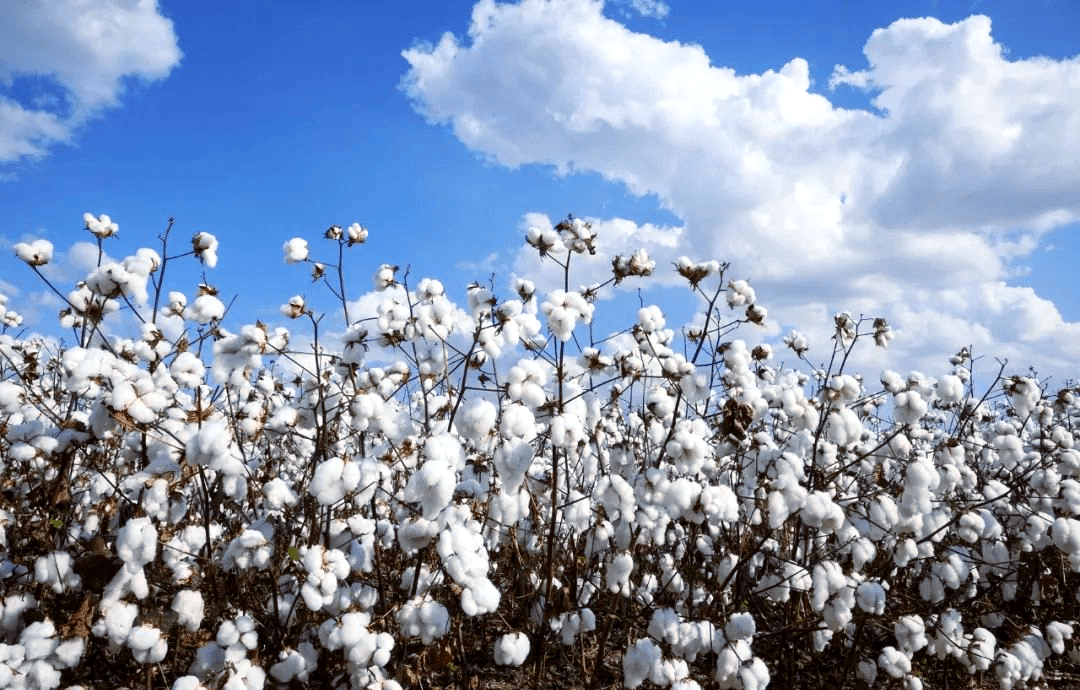
“Cotton” (Gossypium spp., Malvaceae) refers to annual or perennial shrub-like herbs that in the tropics may reach 6 m (commonly 1–2 m). The “cotton” we see is not the flower but fibers (lint) from mature capsules (bolls) that split open. Flowers are creamy white, turning deep red shortly after anthesis; bolls (capsules) dehisce at maturity to expose 2–4 cm white to creamy fibers. Cotton prefers heat and light, tolerates drought, dislikes waterlogging, and grows best in deep, well-aerated soils. As the world’s most important natural fiber, cotton is a strategic commodity.
Origin & Spread
-
Global beginnings. Cultivation dates to 5th–4th millennium BCE in the Indus Valley; Indigenous peoples in Mesoamerica also domesticated cotton (e.g., evidence from ≈5800 BCE in Mexico). By the 1st century CE, Arab merchants brought fine cotton cloth to Italy and Spain; Moors introduced cultivation to Spain by the 9th century; by the 15th century it reached Britain and then North American colonies.
-
Into China.
-
Overland: via the Silk Road to Xinjiang (cultivation noted from Han times).
-
Maritime: via Southeast Asia into southern China; large-scale inland adoption from late Song/early Yuan.
-
Xinjiang is the earliest planting area; wax-preserved cotton from Eastern Han tombs shows use >1,700 years ago.
-
-
Varietal shifts. Tree cotton and Asiatic cotton were early mainstays. Upland cotton (G. hirsutum, from Mexico) arrived in the late 19th century and, due to high yield, longer fiber, and broad adaptability, replaced earlier types to become China’s dominant cotton. Sea-island cotton (G. barbadense)—an extra-long-staple type—remains limited to parts of Yunnan, Taiwan, Guangdong, and Guangxi.
Nutrition & Uses
-
Cottonseed oil. Dehulled kernels contain ≈33–45% oil, making cottonseed the world’s No. 2 edible-oil source after soybean. Properly refined oil provides essential fatty acids; its linoleic acid supports healthy cholesterol profiles. It is used for salad and cooking oils and, after hydrogenation, for shortenings and margarines.
-
Cottonseed protein. Presscake/meal is a valuable protein feed for poultry and livestock.
-
TCM uses (traditional). Cotton (sweet, warm; entering the Heart/Liver meridians) is described as hemostatic; the seed is noted for supporting kidney/lumbar function and warming the stomach.
-
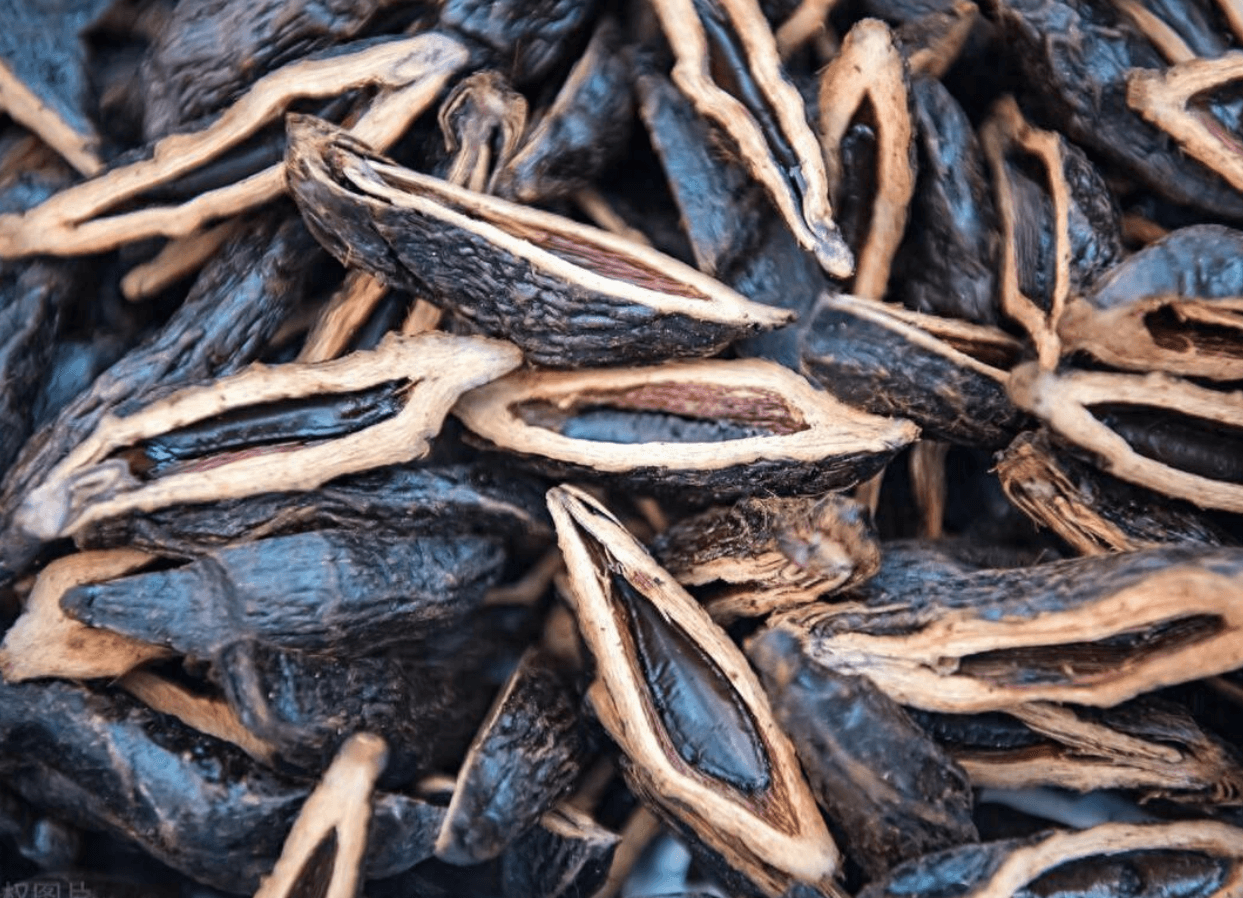
Safety note. Cottonseed contains gossypol, toxic to humans; only refined products that remove gossypol are safe for consumption.
Economic & Cultural Value
-
Textile backbone. Primary raw material for global textiles—from fine batiste to heavy canvas and velveteen—for apparel, home, and industrial fabrics.
-
Whole-plant utilization. >80% of seed (beyond planting stock) is crushed for oil; by-products (foots) yield fatty acids and glycerin for soap, lubricants, cosmetics, paints, candles; hulls and stalks can be used for composite boards; stems provide papermaking fiber or fuel.
-
Special uses.
-
Currency paper. ≈95% of RMB note substrate derives from cotton; even at 0.08 mm thickness it is exceptionally durable.
-
Skincare. Cottonseed oil appears in cosmetics for emollience and antioxidant support.
-
Apiculture & medical supplies. Cotton is a nectar source and supplies raw material for masks, cotton balls, etc.
-
-
Cultural footprint. A tribute commodity in imperial China; Tiangong Kaiwu (Song Yingxing, Ming) recorded its ubiquity in farming and weaving.
Cotton Production in China
-
National output (2024). 6.164 million tons (+9.7% YoY).
-
Sown area (2024). 42.574 million mu (+1.8% YoY).
-
Yield (2024). 144.8 kg/mu (+7.8% YoY).
Key Production Areas
|
Region |
Sown Area |
Output |
Yield |
Industry Traits |
|
Xinjiang |
36.719 million mu |
5.686 million t |
154.9 kg/mu |
National core; excellent heat/light/water-soil resources; highly mechanized. |
|
Yangtze River Basin (Jiangsu, Anhui, Jiangxi, Hubei, Hunan) |
3.021 million mu |
0.221 million t |
73.2 kg/mu |
Traditional cotton belt. |
|
Yellow River Basin (Tianjin, Hebei, Shanxi, Shandong, Henan, Shaanxi) |
2.463 million mu |
0.206 million t |
83.7 kg/mu |
Traditional cotton belt. |
Industry Traits & Challenges
Traits
-
Highly concentrated. Xinjiang produces >90% of China’s cotton—“The world looks to China; China looks to Xinjiang.”
-
Science & tech. Xinjiang’s yields set new highs—≈3× the global average in 2024.
-
Quality. Average staple ≈29 mm; extra-long-staple cotton ranks among the world’s finest.
Challenges
-
Diverse, severe pest complex with increasing pressure.
-
Conventional spraying limits. Low operational efficiency, coarse atomization with poor deposition/utilization, and risk of crop injury in dense canopies.
-
Consequences of poor control. Yield losses and quality downgrades, reducing the proportion of marketable lint and squeezing margins.
Major Diseases and Pests
Common diseases. Wilt (Fusarium/Verticillium), damping-off, anthracnose, etc., which impair growth and yield.
Cotton Aphid
-
Damage. Sap feeding curls and crinkles leaves, suppresses photosynthesis; honeydew fosters sooty mold.
-
Control essentials.
-
Chemical. Trials with UAV application of imidacloprid (with adjuvant) showed high efficacy (reported control ≈99% in specific studies).
-
Biological. Conserve lady beetles, lacewings, and other natural enemies.
-
Recommended Operation Parameters
|
Target pest/disease |
Application rate |
Droplet size |
Flight height |
Flight speed |
Route spacing |
|
Aphid in cotton |
2–4 L/mu (≈ 30–60 L/ha; ≈ 12–24 L/acre) |
≈ 60 µm |
≈ 2.5–4.0 m above canopy |
5–8 m/s |
≈ 5–7 m |
The parameters above are for reference only. Please adjust the operation settings to the actual crop growth stage, field conditions, and equipment model.
These parameters are derived from research datasets and field cases. Pest and disease incidence varies by region and season—select and apply pesticides as required.
Why J100 for Cotton — Efficient Coverage, Precise Defoliation
Across Xinjiang’s vast cotton fields, J100 corp spaying drone delivers the throughput required for time-critical protection. Its strong downdraft and penetrative atomization improve deposition in the middle-lower canopy, enhancing both pest control and defoliant application performance. Growers gain timely suppression of aphids and other pests, better boll opening and harvest readiness, and measurable cost-saving efficiency gains.