Overview
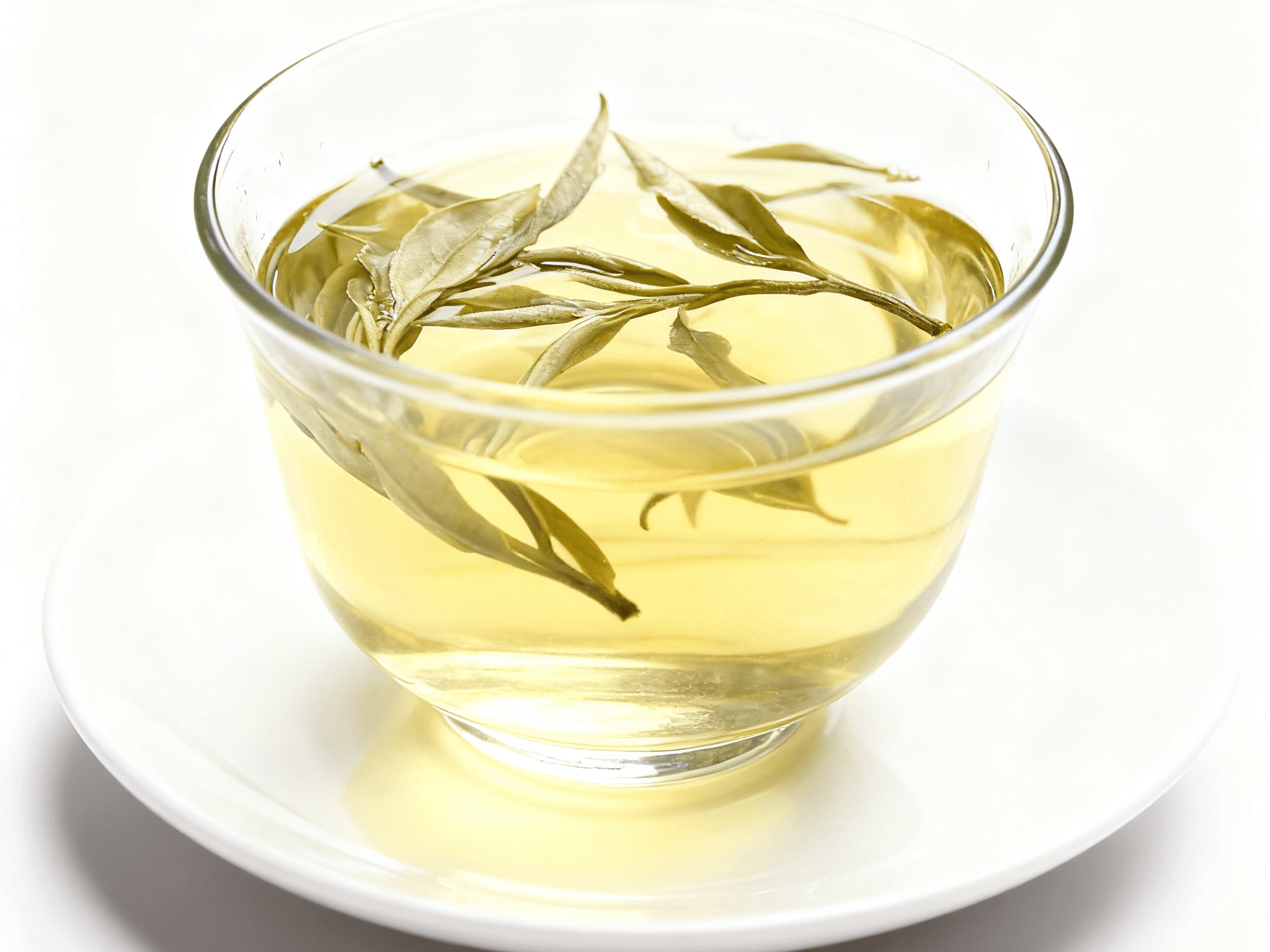
Tea (Camellia sinensis) is an evergreen shrub or small tree in the Theaceae family and one of the world’s most important cash crops. Its leathery leaves—rich in tannins, caffeine/theine, and vitamins—are the raw material for China’s “national drink.” Over centuries of cultivation, wild arboreal, large-leaf types diverged from the dwarf, small-leaf cultivated forms that are easier to harvest and manage.
Origin & Spread
Origin
China is the native center of tea. Botanical studies place the cradle of tea on the Yunnan–Guizhou Plateau (bordering Yunnan, Guizhou, and Sichuan). Ancient lore—“Shennong tasted a hundred herbs and found tea to relieve poison”—traces tea use back ~5,000 years.
Spread within China
Cultivation and tea-drinking began in the Bashu region; after Qin unified Shu, tea culture spread outward. By the Tang–Song dynasties, tea was widely grown nationwide and drinking became fashionable.
Global Spread
-
Westward: into Tibet with Princess Wencheng; across the Tea–Horse Road; from South China via Shanxi/Inner Mongolia to Mongolia and Russia.
-
Eastward: to Korea by the late 4th century via Buddhism; to Japan in the Tang era with monk Saichō carrying seed.
-
Seaward: by 1610, Chinese tea reached Europe (UK, Germany, France) via Xiamen.
Nutrition & Wellness
Tea provides stimulation and alertness (caffeine/theine), digestive support (tannins, other actives), vitamins, and abundant tea polyphenols with antioxidant and antimicrobial activity. Polyphenols also help “cut grease,” a valued effect historically among meat-heavy diets—hence the adage that going a day without tea feels “sluggish” or “unwell.”
Economic & Cultural Value
Economic Value
By 2025, China’s tea gardens are projected to exceed 53 million mu, with a total tea output value of ~RMB 330 billion and a ~RMB 1.13 trillion full-chain economy. Spring teas account for ~45% of annual output and ≥65% of value (2025 spring output 1.4–1.5 Mt expected). Tea remains a key export and a pillar of rural revitalization in leading regions.
Cultural Value
Everyday beverage and etiquette (“serve tea to guests”); wedding rites (“three teas, six rites”); tea art (selection, water, brewing ritual) and tea ceremony (ethical cultivation through tea); and a deep wellspring for poetry, painting, opera, and song.
Tea Production in China at a Glance
-
Scale & Output
-
Area (2025): >53 million mu nationwide.
-
Spring tea: ~45% of annual output; ≥65% of value; 1.4–1.5 Mt expected in 2025.
-
-
Key Regions (mainly hilly lands south of the Qinling range)
a. Jiangnan tea belt: N. Guangdong/Guangxi, N. Fujian, Zhejiang, Jiangxi, Hunan, SE/W Hubei, Anhui, S. Jiangsu—humid, misty hills ideal for quality.
b. Southwest belt: Yunnan (central–north), SE Tibet, Sichuan, Guizhou, Chongqing—native center with many ancient wild tea trees.
c. South China belt: Hainan, S. Yunnan, central–south Guangdong/Guangxi, SE Fujian.
d. Jiangbei belt: N. Hubei/Anhui/Jiangsu, SE Shandong, S. Henan, S. Shaanxi, S. Gansu (Longnan)—China’s northernmost tea zone. -
Industry Traits & Challenges
Traits — Digitization and intelligent tools are reshaping management (e.g., county-level “tea industry brain,” IoT monitoring) and the chain now integrates planting–processing–sales–R&D–agri-tourism.
Core Challenge: Plant Protection-
Diverse pressures: Key targets vary by region—tea green leafhopper, tea geometrid/looper, tea tussock caterpillar, mites; plus blister blight and anthracnose.
-
Limits of manual spraying: Low efficiency (≈5–10 mu/person/day), complex terrain in mountain gardens (equipment carry/coverage problems), rising labor costs & safety expectations (residue concerns), and narrow timing windows tightly coupled to weather.
-
Major Diseases & Pests
Key Insect Pests
Tea green leafhopper
-
Damage: Sap-sucking on tender shoots → leaf chlorosis, curling, hardening; growth stalls when severe.
-
Control essentials: Conserve habitat and flowering intercrops for predators (spiders, parasitoids); pick frequently in season; hang dual-color (yellow/red) sticky cards post-spring harvest; rotate biorational/contact options as labeled.
Tea geometrid / tea looper
-
Damage: Larvae notch leaves; heavy outbreaks can defoliate blocks.
-
Control essentials: Autumn tillage to reduce pupae; light traps or pheromone lures for adults; treat early instars with approved bio-agents/plant-derived products.
Tea tussock caterpillar
-
Damage: Gregarious larvae strip leaves; severe cases defoliate bushes.
-
Control essentials: Exploit gregarious habit for hand removal; light traps/pheromones for adults; treat early instars with labeled bio/plant-derived products.
Mites (e.g., tea rust/eriophyid/false spider mites)
-
Damage: Leaf stippling and dulling → greying/bronzing; defoliation when heavy.
-
Control essentials: Frequent plucking removes part of the population; consider mineral-oil or targeted miticides per label.
Key Diseases
Blister blight
-
Damage: Mainly tender leaves/shoots; pale lesions on the upper surface with depressions beneath and white powder.
-
Control essentials: Frequent, phased plucking; timely pruning to open canopy; balanced nutrition; treat at first symptoms with labeled fungicides/biologics.
Anthracnose
-
Damage: Primarily mature leaves; lesions start at margins as dark, water-soaked spots and expand irregularly.
-
Control essentials: Use healthy, tolerant planting stock for new gardens; balanced fertilization; remove diseased shoots; treat early with approved fungicides.
Recommended Operation Parameters
|
Target pest/disease |
Application rate |
Droplet size |
Flight height |
Flight speed |
Route spacing |
|
Tea Anthracnose |
10–15 L/mu (≈ 150–225 L/ha; ≈ 60–90 L/acre) |
≈ 40 µm |
≈ 4.5–5.5 m above canopy |
2.7–3.5 m/s |
≈ 4.0–4.5 m |
The parameters above are for reference only. Please adjust the operation settings to the actual crop growth stage, field conditions, and equipment model.
These parameters are derived from trials in major tea-growing regions. Pest and disease incidence varies by region and season—select and apply pesticides as required.
Why J150 for Xilong White Tea — High-Efficiency Protection for Premium Leaf Quality
In Xilong, the heartland of Anji White Tea, the EAVISION J150 safeguards the purity of every “golden leaf.” A powerful downwash and precision spraying system deliver uniform, 3D coverage across the canopy—solving “hard-to-penetrate, hard-to-cover” pain points typical of mountain gardens. Results show strong control of tea green leafhopper, geometrid/looper, tussock caterpillar, and leaf diseases such as blister blight and anthracnose, helping growers reduce costs, raise efficiency, and protect the value of China’s “magical oriental leaf.”