Overview
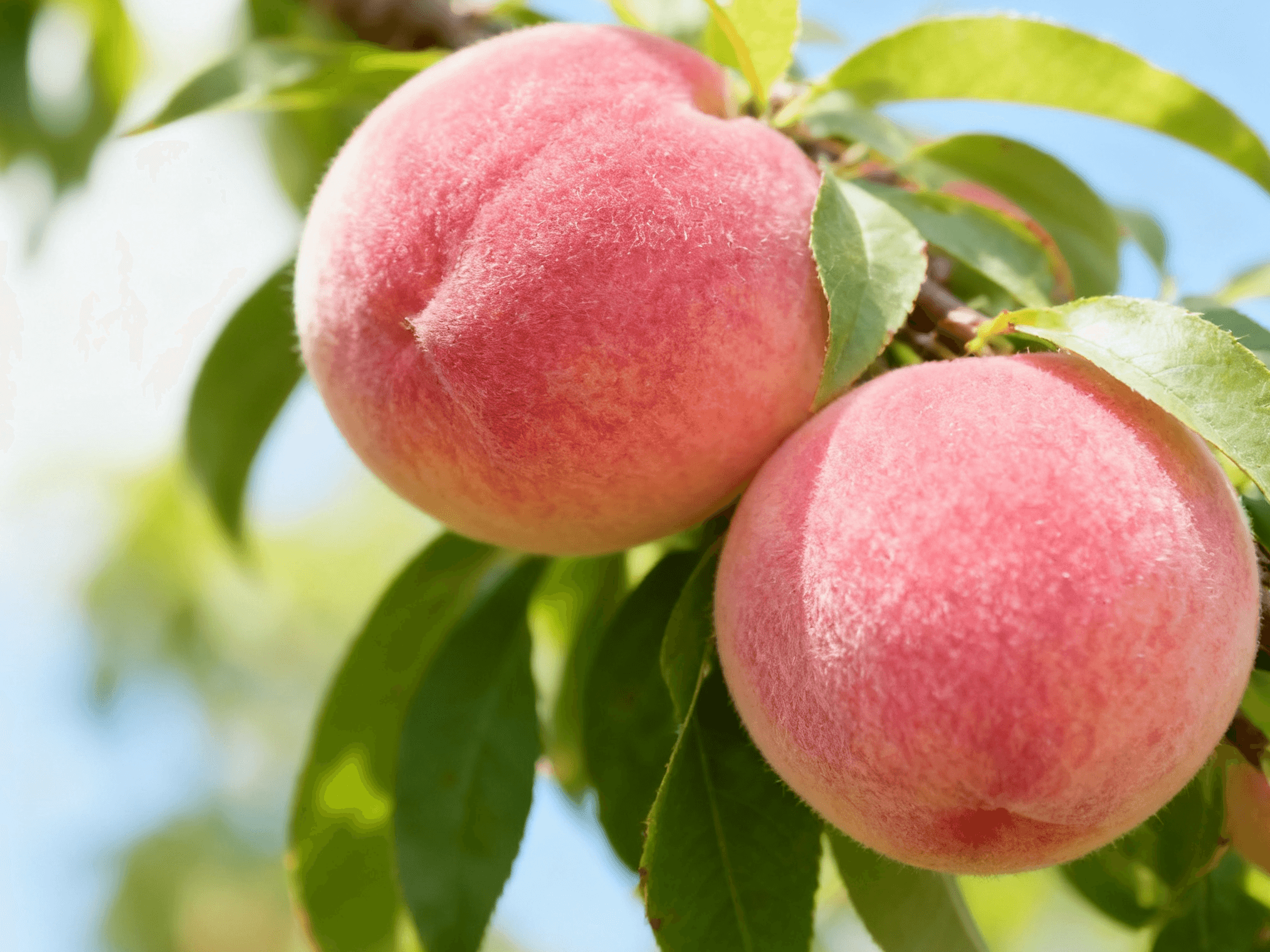
The peach (Prunus persica) is a deciduous shrub in the Rosaceae family. As one of China’s “Five Fruits” (peach, plum, apricot, pear, and jujube), peaches are cherished for their juicy flesh, sweet taste, and soft texture. Peaches are classified into edible types, for fruit harvesting, and ornamental types, for flower display (e.g., Peach of Immortality, Green Peach). Edible peaches are further categorized by peel type: Nectarines (smooth-skinned) and Flat Peaches (disk-shaped). Peaches are known for their fast growth and early fruiting, with grafted saplings flowering and fruiting within 1–2 years, reaching peak production in 3–5 years.
Origin & Spread
Origin
Peach trees originated in China, with over 7,000 years of cultivation history. Archaeological evidence from the Hemudu site (Zhejiang), dating back 7,500 years, shows the existence of peach trees.
Early Records
Peaches were mentioned as early as the 10th century BCE in the Book of Songs (“The garden has peaches, which serve as dishes”), indicating large-scale cultivation.
Global Spread
Peaches were first introduced to Persia (modern-day Iran) through the Silk Road, giving rise to its Latin name, persica, meaning “from Persia.” From Persia, peaches spread across Europe and the world.
Nutrition & Wellness
Peaches are rich in a variety of nutrients beneficial to human health:
-
Nutrient-rich: Studies show fresh peaches contain proteins, carbohydrates, calcium, phosphorus, iron, carotenoids, and various vitamins.
-
Health benefits: In Traditional Chinese Medicine, peaches are considered neutral in nature, believed to nourish qi and moisturize the body, with the adage "Peaches nourish people."
Economic & Cultural Value
Economic Value
-
Fresh and Processed Products: Peaches are an essential fruit, consumed fresh or processed into peach preserves, canned peaches, peach juice, and peach wine. For example, Zaoyang, Hubei, has developed a thriving peach industry, with a value of over 1.8 billion RMB from peach-related products.
-
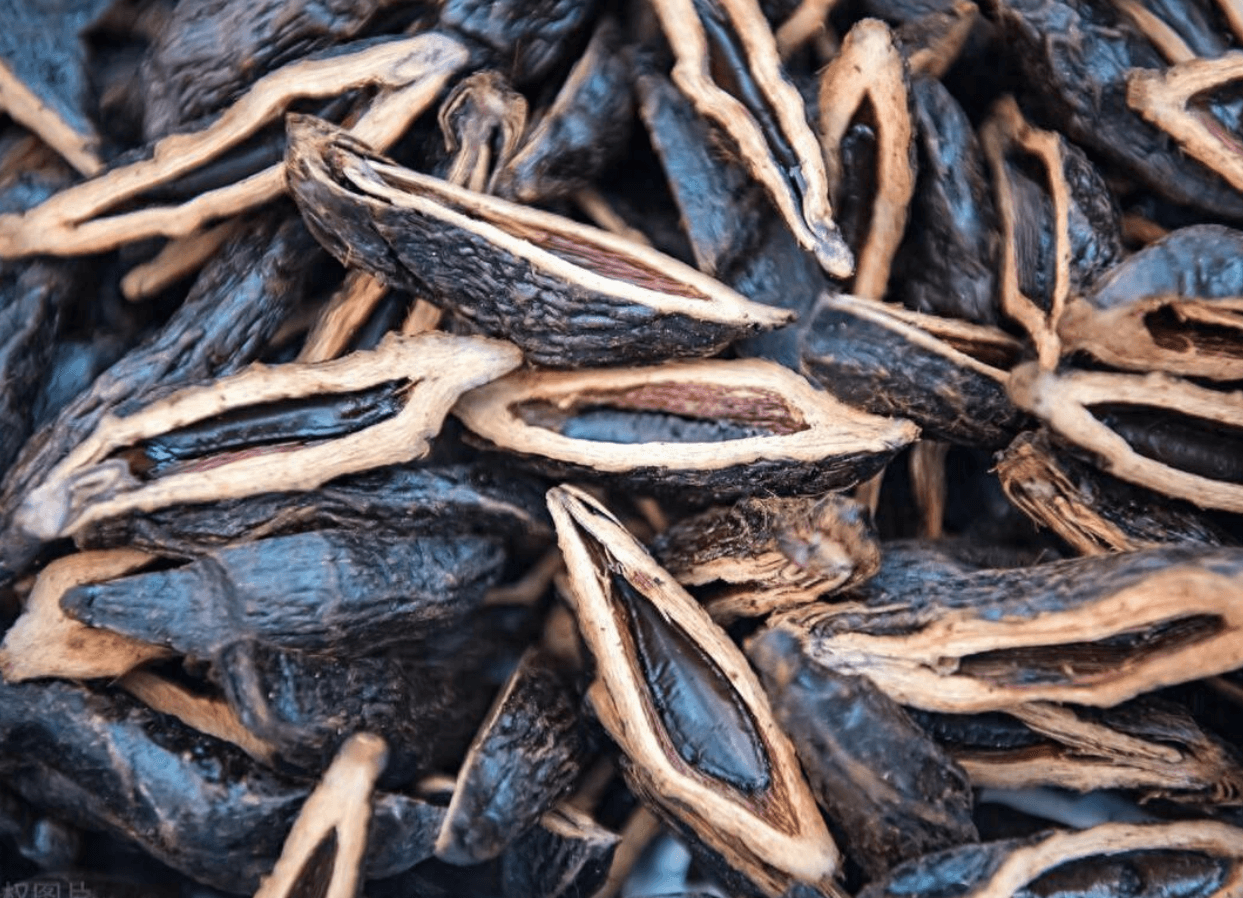
By-product Utilization: Peach gum is processed into “plant-based bird’s nests” and other health supplements, while peach pits are used for crafts, creating high-value-added products.
Cultural Value
-
Literary Symbol: From the Book of Songs’ “Peach trees are flourishing, their flowers radiant” to Tao Yuanming’s Peach Blossom Spring, peaches have long been symbols of good fortune, beauty, and longevity in Chinese culture.
-
Folk Beliefs: In traditional Chinese culture, peach wood is regarded as a protective material, often made into peach wood swords and amulets.
-
Cultural Tourism: Peach blossoms are an essential part of spring tourism, with festivals like the Peach Blossom Festival promoting rural eco-tourism.
Peach Production in China at a Glance
-
Planting Area & Output
China is the world’s largest producer and consumer of peaches. In 2019, the peach planting area was 890,000 hectares (13.35 million mu), with a production of 15.99 million tons. By the 2025/26 season, China’s peach and nectarine output is expected to reach 17 million tons. -
Key Peach Production Areas
China’s peach industry has developed several major production regions:
-
North China Plain & Huang-Huai region: Includes Shandong, Henan, Hebei, and Anhui. Famous areas include Mengyin (Shandong), Shunping (Hebei), and Pinggu (Beijing).
-
Lower Yangtze region: Includes Hubei, Jiangsu, and Zhejiang, known for efficient production. Zaoyang is known as the “Peach Capital of China” with 35,000 mu of peach plantations.
-
Loess Plateau region: Includes Shanxi, Shaanxi, and Gansu, producing peaches with intense flavor.
-
Southwest Highlands: Includes Yunnan, Guizhou, and Sichuan, which utilize low-latitude, high-altitude climates for early varieties.
-
Industry Traits & Challenges
-
Extended Supply Period: Through cultivar selection, facility cultivation, and climatic variations, the fresh peach supply period has extended from summer to spring, summer, and autumn, lasting up to 8 months.
-
Diversified Varieties: A wide range of peach types has emerged, with white-flesh peaches as the dominant variety, along with yellow peaches, nectarines, and flat peaches.
Challenges
-
Complex Pest & Disease Dynamics: Major peach diseases like brown rot, gummosis, shot hole disease, and pests like peach fruit moth, peach borer, aphids, and red spiders are heavily influenced by climate conditions (e.g., rainy spring and hot, humid summers). Predicting and forecasting outbreaks is difficult, often leading to missed optimal control timing.
-
Canopy Coverage: Traditional ground sprayers struggle to effectively reach the tops and inner parts of tall peach tree canopies, leading to hidden spots where pests and diseases thrive.
-
Direct Losses: Ineffective pest and disease control leads to increased fruit damage rates (e.g., borers, brown rot), causing yield loss. Additionally, pest and disease damage significantly reduces fruit appearance quality (e.g., blemishes, cracks), leading to a sharp decline in the marketable fruit ratio and squeezing grower profits.
Major Peach Tree Pests & Diseases
Key Diseases
Peach Brown Rot
-
Pathogen & Symptoms: Caused by a fungus, brown rot primarily affects flowers, leaves, shoots, and fruit, with the fruit being most vulnerable. Early lesions on the fruit appear as brown circular spots and quickly expand under favorable conditions, leading to soft rot.
-
Epidemiology: Low-temperature, rainy conditions during flowering and young fruit periods, along with warm, cloudy, and humid conditions at fruit maturity, exacerbate disease.
-
Control essentials: Use resistant varieties, establish pest & disease warning systems, and promptly remove infected trees. Apply targeted fungicides early in the disease cycle.
Peach Gummosis
-
Pathogen & Symptoms: A fungal disease affecting trunks and branches, causing canker-like swellings that exude sticky, amber-colored gum, which later hardens. Severe cases lead to tree weakening and branch death.
-
Epidemiology: Caused by mechanical injuries from frost, pests, hail, and pruning, all of which facilitate disease infection.
-
Control essentials: Remove infected branches and apply fungicide treatments (e.g., copper-based solutions) at initial infection stages.
Recommended Operation Parameters for J150 Drone
|
Target pest/disease |
Application rate |
Droplet size |
Flight height |
Flight speed |
Route spacing |
|
Banana Leaf Spot |
10–15 L/mu (≈ 150–225 L/ha; ≈ 61–91 L/acre) |
≈ 40 µm |
≈ 4.5 m above canopy |
2.3–3.5 m/s |
≈ 4.0 m |
The parameters above are for reference only. Please adjust the operation settings to the actual crop growth stage, field conditions, and equipment model.
These parameters are derived from trials in major peach-growing regions. Pest and disease incidence varies by region and season—select and apply pesticides as required.