Eagle Vision System
EAVISIONBinocular Vision Technology — Dual 4MP
120° ultra‑wide FOV cameras for pixel‑level recognition to capture every detail
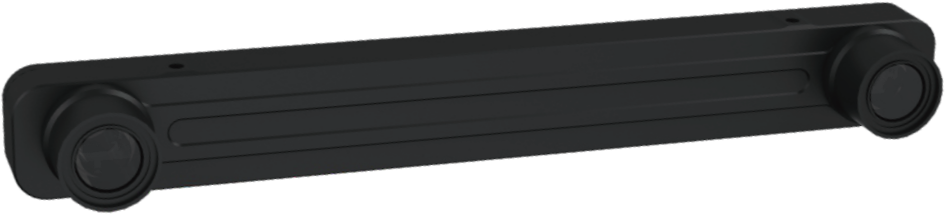

Neural Network Stereo Vision Algorithm

Greedy 3D Data-capturing Technique
Real‑Time Parallel Processing Tech

Online Calibration Tech
Multi-Sensor Fusion
EAVISIONAutomotive-Grade Autonomy Platform
Clear, Precise, Responsive, All‑Weather, All‑Terrain
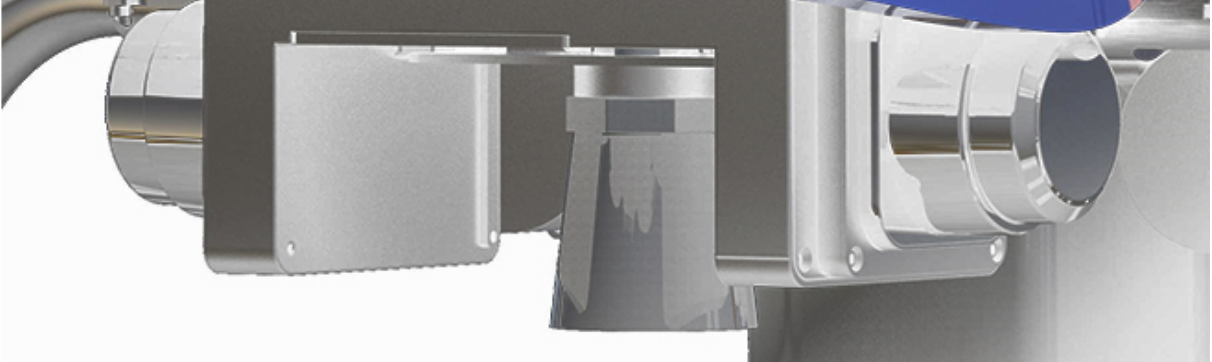

Binocular Vision

LiDAR

Millimeter-Wave Radar
EA Pro Smart Brain
EAVISION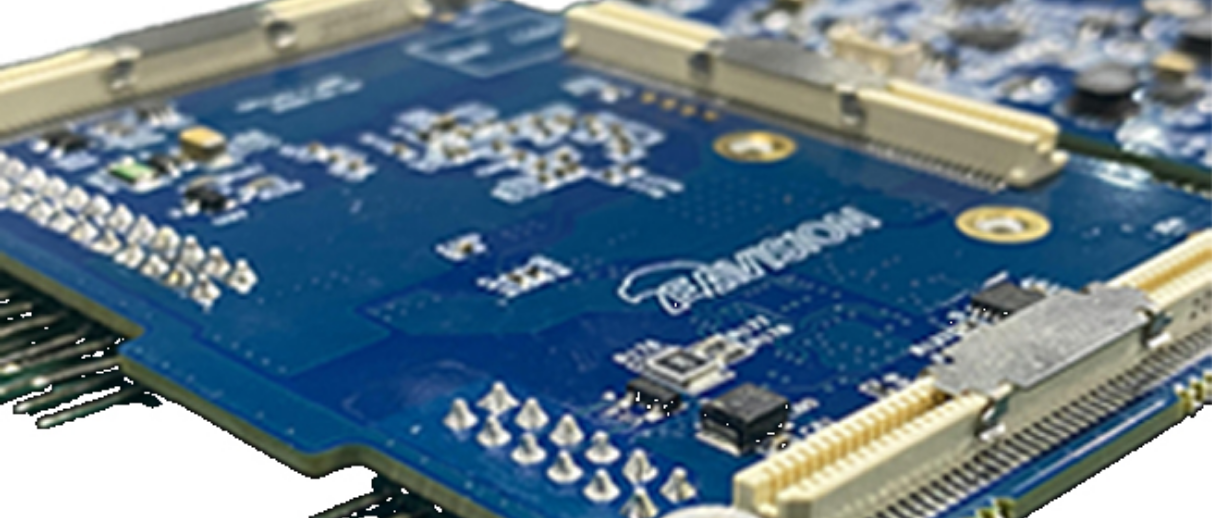

A New Level of Intelligence
Stable and reliable with continuous self‑learning and upgrade capability.
Equipped with autonomous recognition, precise perception and 3D Environmental Perception.
Independent of external commands, it thinks and decides autonomously to operate safely.

All-Terrain

All-Fields

All-Crops

All-Weather
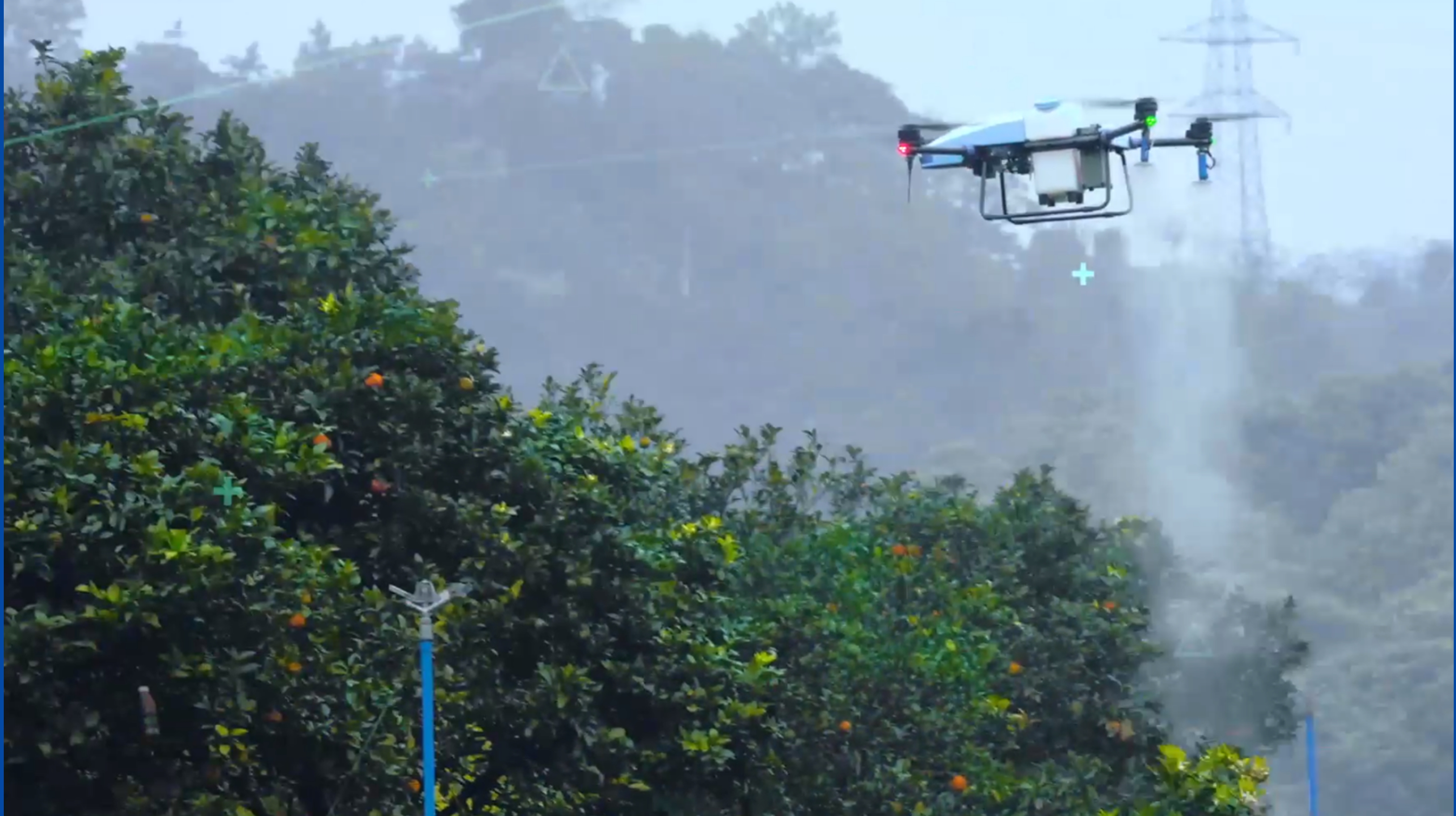
A New Level of Efficiency
Results: Refined through deep crop-specific optimization and validated by real-world field performance.
Efficiency: A 20 L optimal payload paired with advanced algorithms delivers significantly higher operational efficiency — achieving the ideal balance between coverage quality and productivity.
Optimized Complex Field Route Algorithm (Example)
EAVISION
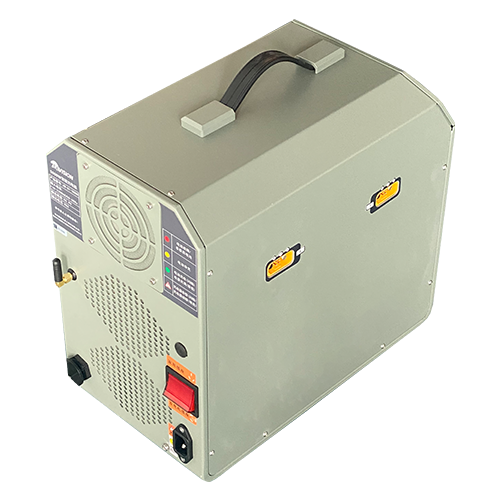
Ultra-Fast Charger
EAVISION12Kg
5000W, Dual-Channel Fast Charging
Dual-Mode Power Input: Supports both generator and residential grid power for enhanced flexibility and safety.
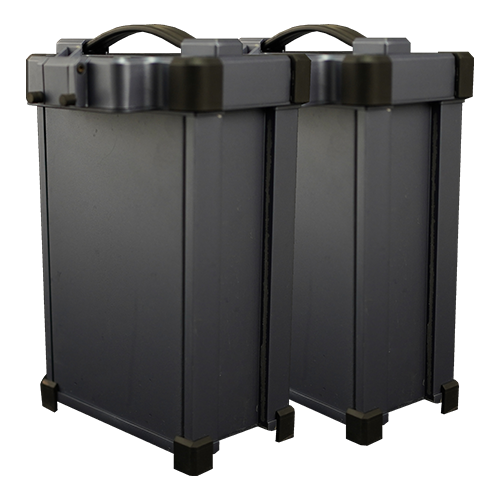
Next‑Generation Super Battery(20000mah)
EAVISIONSame supply chain as Tesla
Supports up to 3C fast charging — full charge in 18 minutes
Low heat rise with excellent thermal performance — no water cooling required; recharge immediately after landing
Smart power management displays battery status at a glance
Unlimited charge/discharge cycles under warranty
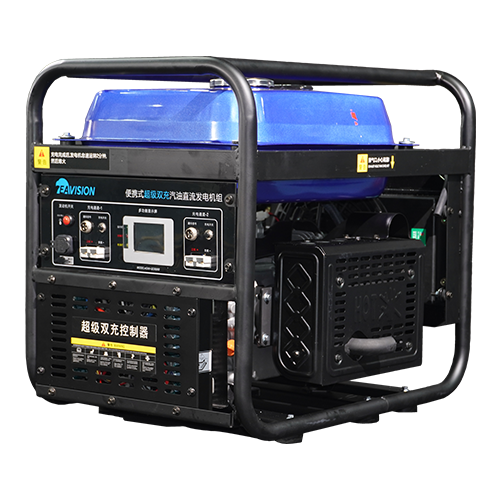
DC Fast‑Charging Station
EAVISION39.5Kg
Rated at 5,000 W, the station supports dual-channel DC fast charging.
Fuel tank capacity: 15 L
Fuel consumption: 500 mL/kWh
* The actual product appearance may vary from the images shown.
* The UAV payload capacity is measured at sea-level conditions. EAVISION may recommend or adjust the allowable payload based on the aircraft status, environmental conditions, and operational requirements. Do not exceed the recommended maximum payload, as doing so may affect flight safety. Material density varies for different types of granular or liquid payloads; please follow local regulations when operating the spreading system.
* The payload capacity of the UAV decreases as altitude increases. For every 1,000 meters of elevation gain, the maximum payload is reduced by approximately 10%. When operating in high-altitude environments, the performance of the battery and propulsion system may degrade due to environmental factors, which can adversely affect overall flight performance. Users shall exercise heightened caution when flying in such conditions.
* In low-temperature environments, ensure the flight battery is fully charged and reduce the UAV payload; otherwise, flight safety may be compromised, or takeoff restrictions may occur.
* The UAV must not be operated following any collision, overturning incident, or after exposure to fire, explosion, lightning, heavy rain, strong winds, tornadoes, earthquakes, sandstorms, or any other severe environmental events or natural disasters.
* Data (2000m) measured in an open, unobstructed environment free of interference. It refers to the max video transmission distance under specific standards. Actual range is subject to environmental interference, flight altitude, and obstructions.