Agricultural Drone Price in the Philippines: What Buyers Actually Pay


If you're searching for the agricultural drone price in the Philippines, you've probably already noticed the numbers are all over the place. One listing says ₱120,000. Another says ₱2 million. And nobody seems to break down what you're actually getting for that money.
The Philippines is one of the fastest-growing ag drone markets in Southeast Asia. The market hit USD 15.8 million in 2025 and is projected to reach USD 172 million by 2034, growing at nearly 30% per year according to IMARC Group data. That's not hype. It's real demand driven by labor shortages, rising input costs, and government programs that are finally putting money behind drone adoption.
So let's cut through the noise and talk about what Philippine buyers actually pay, what affects the price, and how to avoid spending more than you need to.
How Much Is an Agricultural Drone in the Philippines?
For a useful starting point, look at dated Philippine records and check what each number represents. The Philippine Information Agency reported that two agricultural drones distributed in Palawan in February 2026 were valued at PHP 1,781,250 each. That is a programme equipment value, rather than a model-specific retail quotation.
A separate City of Bogo, Cebu notice published on October 20, 2026 set a PHP 1,872,000 approved budget for one lot of an agri-drone sprayer and spreader. The bidding deadline was November 10. As of this article's November 3 price check, that figure was a procurement ceiling, not a completed sale.
|
Philippine reference |
Published amount |
What it represents |
|
DA official quoted in November 2024 |
PHP 800,000 / PHP 1.5 million |
Aircraft estimate / package including licensing; historical |
|
Palawan turnover, February 2026 |
PHP 1,781,250 per unit |
Reported value of distributed agricultural drones |
|
Bogo procurement, October 2026 |
PHP 1,872,000 per lot |
Budget for sprayer and spreader; not an award price |
The older PHP 800,000 and PHP 1.5 million figures come from a November 2024 report quoting DA National Rice Program official Glenn Estrada. They explain the gap between aircraft and package costs. Ask suppliers for today's written price against a named model and equipment list.
What Influences the Agricultural Drone Price in the Philippines
Here’s what actually moves the needle on agricultural drone pricing in the Philippines:
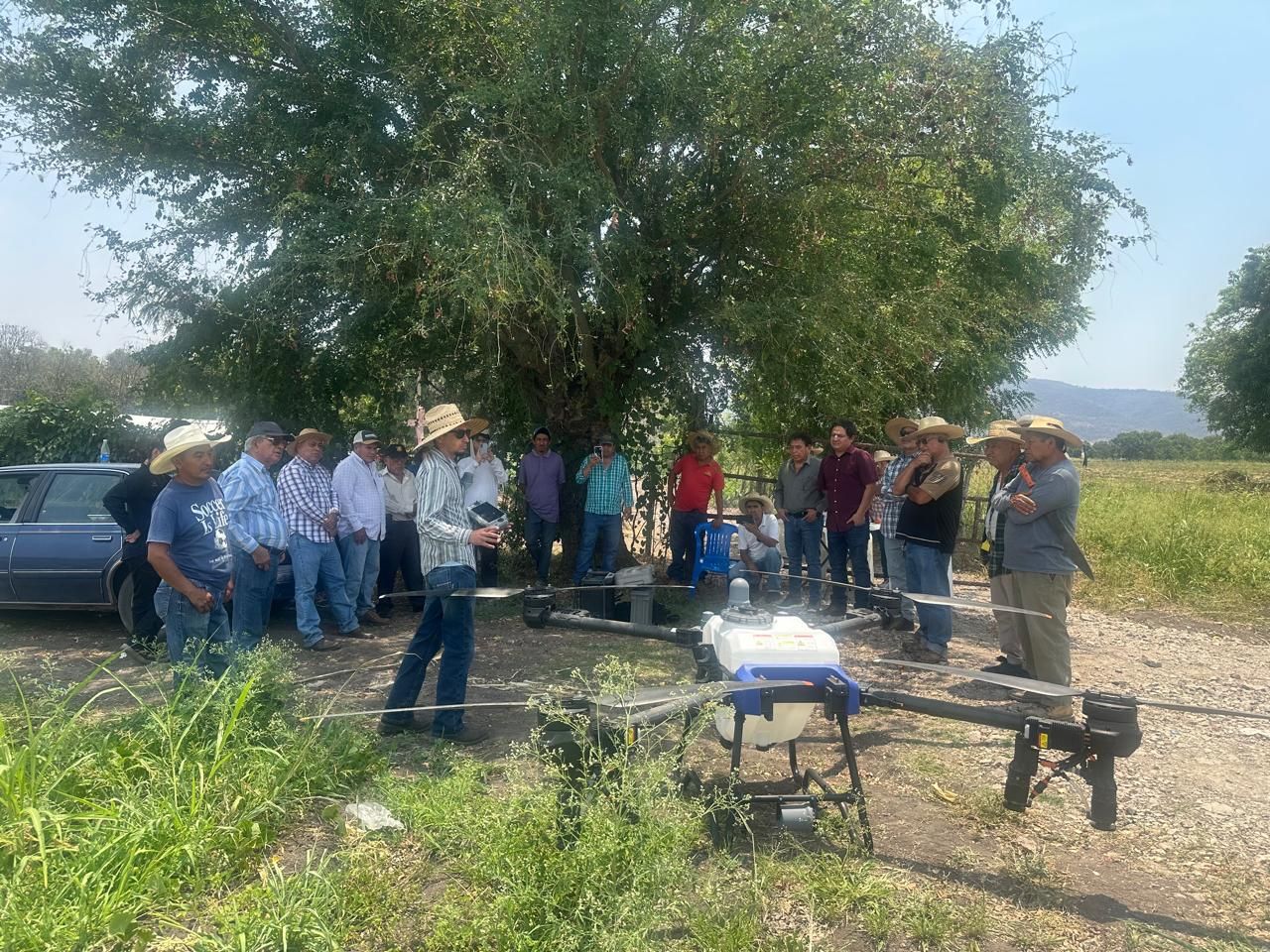
- Tank capacity and payload. A 10-liter drone covers roughly 0.4–0.8 hectares per flight at typical application rates. A 70-liter system covers about 2.3–4.7 hectares. Actual coverage depends on the label rate for your crop and target pest. The difference in productivity matters when you’re racing a weather window or managing hundreds of hectares.
- Navigation technology. Basic GPS autopilot is cheap but relies on satellite positioning alone, which can drift in hilly terrain or under dense canopy. LiDAR-based terrain following lets a drone fly low and accurate over uneven ground, hillside orchards, and coconut plantations. On higher-end platforms, it works alongside RTK positioning for centimeter-level accuracy. That combination matters for Philippine geography.
- Nozzle and droplet control. Some spray systems can adjust droplet size across a wide range, producing droplets as fine as 10 μm. That’s the difference between pesticide landing on top of leaves and actually reaching under-leaf pests. Cheaper drones often can’t adjust droplet size at all.
- Import duties and logistics. The Philippines charges 12% VAT on imported drones. The base tariff is 0, but freight, compliance, and dealer support still add to the final price. Buying through an authorized dealer usually means local warranty and faster parts access; whether it’s cheaper depends on configuration and what’s included in the package.
The Hidden Costs Behind the Sticker Price
The sticker price of an ag drone is maybe 60–70% of your true first-year cost. The rest comes from:
- Batteries: You'll want 3–6 flight batteries. Each one runs $2,000–$4,000 for commercial-grade drones.
- Training and certification: CAAP requires registration for commercial RPAS operations. Commercial operators need a Remote Pilot License (RPL). Training costs range from ₱45,000–₱75,000 for the RPL process.
- Maintenance and parts: Propellers, nozzles, and pumps are all wear items. Budget roughly 20–25% of the drone's purchase price annually after the warranty expires.
- Insurance: Third-party liability insurance is part of the CAAP operator certification checklist. Smart operators carry it before they need it.
We've seen buyers grab a cheap drone to "save money," only to spend more on downtime, replacement parts, and re-spraying missed areas than they would've spent on a reliable system from the start. Our real-world case studies show what properly matched equipment actually delivers in the field.
Government Programs That Lower Your Effective Cost
Here's some good news. The Philippine Department of Agriculture is actively pushing drone adoption:
- DA Drone Voucher Program: Provides ₱2,000 per hectare in assistance to farmers using drone services. That’s real money back on every spray run.
- Drones4Rice Project: A three-year initiative by IRRI, PhilRice, and the DA that’s developing protocols for drone seeding, spraying, and fertilizer spreading. It’s creating the regulatory and technical framework that makes commercial drone services viable across Luzon, Visayas, and Mindanao.
- Cooperative ownership models: Groups of smallholders can pool resources to buy and share drones, or hire professional service providers as a cluster. IRRI notes that organizing farmers into clusters improves efficiency and reduces operational costs, though the exact savings depend on the group and the crop.
For dealers and service providers, these programs mean a growing customer base. Government drone service tenders in the Philippines have budgeted around ₱2,200 per hectare for fertilizer application, including pre-flight activities, though actual service rates vary by crop, terrain, and scope.
How to Choose the Right Drone for Philippine Farms
Honestly, this depends on your business model more than your budget. Ask yourself:
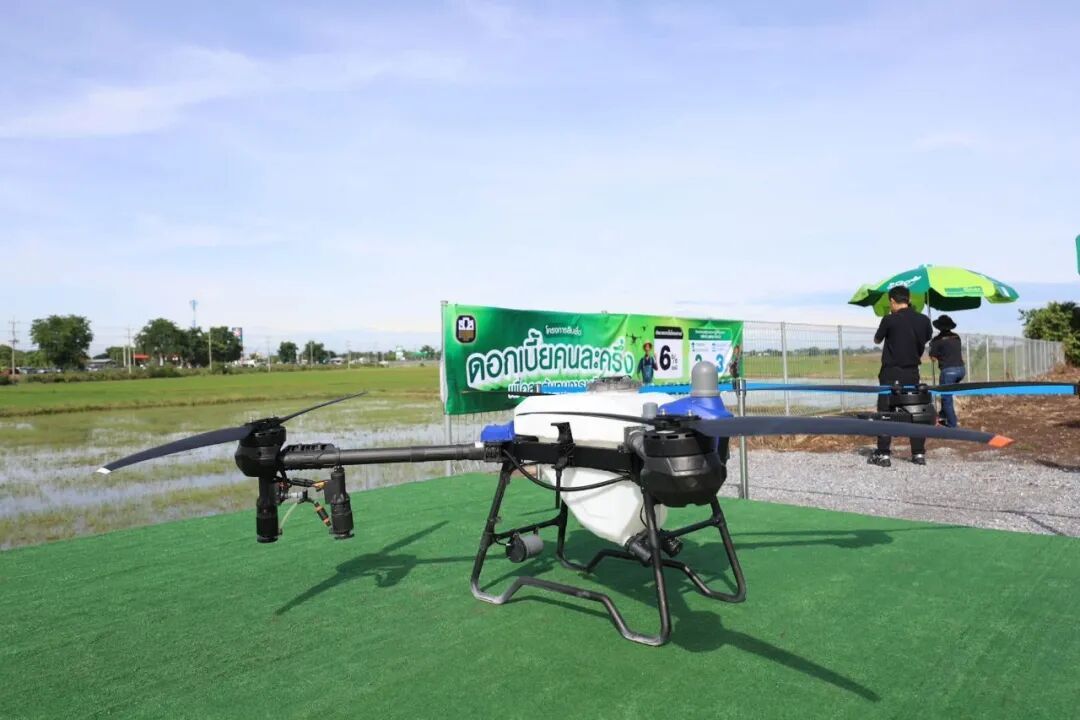
Are you a service provider covering many farms? You need speed, capacity, and multi-drone capability. The J150's 40 L/min max flow rate and swarm-ready data link make it built for this.
Are you a single-farm operator or small cooperative? A mid-range drone like the J70 gives you the precision of a commercial system without the commercial price tag.
Are you a dealer looking to build an ag drone business? We work with distribution partners across Southeast Asia. You can apply to become an EAVISION dealer and get access to competitive pricing, training resources, and after-sales support.
And if you're still not sure what fits your operation, reach out to our team directly. We'd rather help you buy the right drone once than watch you buy the wrong one twice.
FAQ
How much does a farm drone cost?
A February 2026 Philippine government report valued agricultural drone units at PHP 1,781,250 each. Use that as a dated reference, then compare itemized local offers for the package you need.
Is a bigger spray tank better value?
It helps when the payload, application volume, and field layout let you use that capacity. Compare completed hectares per working day, including refills, battery changes, and travel between fields.
Can EAVISION drones handle Philippine terrain like hillsides and orchards?
Yes. EAVISION drones are built with onboard LiDAR for terrain-following flight, meaning they adjust altitude automatically over slopes, terraces, and tree canopies. The system works alongside RTK positioning for centimeter-level accuracy. It was originally designed for hilly orchard environments in Asia, so Philippine coconut plantations, mango orchards, and terraced rice paddies are well within its capabilities.