Agricultural Drones in Brazil: Applications in Soy and Sugarcane Farming


Brazil's agricultural drone market is sprinting. The market generated $77.4 million in revenue in 2024 and is projected to reach $291.9 million by 2030. And honestly, when you look at the numbers behind Brazil's soy and sugarcane sectors, it makes perfect sense.
Brazilian producers are expected to expand soybean planted area to 48.2 million hectares in the 2025/26 season. The country remains the world's largest producer of sugarcane and sugar, with total sugarcane production forecast at 671 million metric tons. Managing operations at that scale with traditional methods? Not realistic anymore. That's where the agricultural drone in Brazil is shifting from "nice to have" to "must have."
Why Brazil's Farms Need Drone Technology Now
Massive Scale, Massive Waste
Here's the thing about Brazilian agriculture: it's massive, but it's also under real pressure.
Fertilizers make up the largest cost for soybean producers in Mato Grosso at 31% of annual expenses, with crop protection next at 22%. Together, they account for 53% of the average producer's costs. Every drop of pesticide or fertilizer that misses its target is money wasted.
Labor Is Scarce, Terrain Is Tough
Labor shortages and challenging topography in certain regions have further sped up drone adoption.
Input Costs Are Rising Fast
Fertilizer and pesticide price inflation has increased input expenses by 15–25% since 2024, pushing growers to optimize application rates with precision spraying.
Precision Spraying Pays Off
The math is simple: spray smarter or spend more. Variable-rate technology enabled by drones reduces chemical usage by 20–35%, saving $15–30 per acre for high-value crops.
Soybean Farming: Covering 49 Million Hectares Efficiently
Area planted to soybeans in Brazil is projected to reach 49.1 million hectares in 2025–26, with production expected to climb to 176 million tonnes. That's a staggering amount of ground to cover for scouting, spraying, and monitoring.
Coffee and soybean producers have reported significant operational cost reductions and improved input efficiency through drone adoption. And this isn't theoretical. An estimated 20% of Brazilian farmers currently employ precision agriculture techniques, with the government aiming to push that figure to 50%.
For soy operations, agricultural drones handle three high-value tasks:
- Precision spraying of herbicides and fungicides, especially in areas hard to reach with ground rigs
- Crop health monitoring with multispectral imaging to catch disease early
- Variable-rate application that adjusts in real-time based on field conditions
Drones with multispectral cameras can cover up to 100 hectares per hour, giving farmers real-time data that improves yield predictions and resource use. Compare that to a worker on foot or even a tractor, the efficiency difference is substantial.
Our drone systems at EAVISION are designed for exactly this kind of work. With case studies across grain and commercial crops, we've seen how smart spraying on flat soy fields directly cuts waste while protecting yields.
Sugarcane: Where Terrain-Following Makes or Breaks the Job
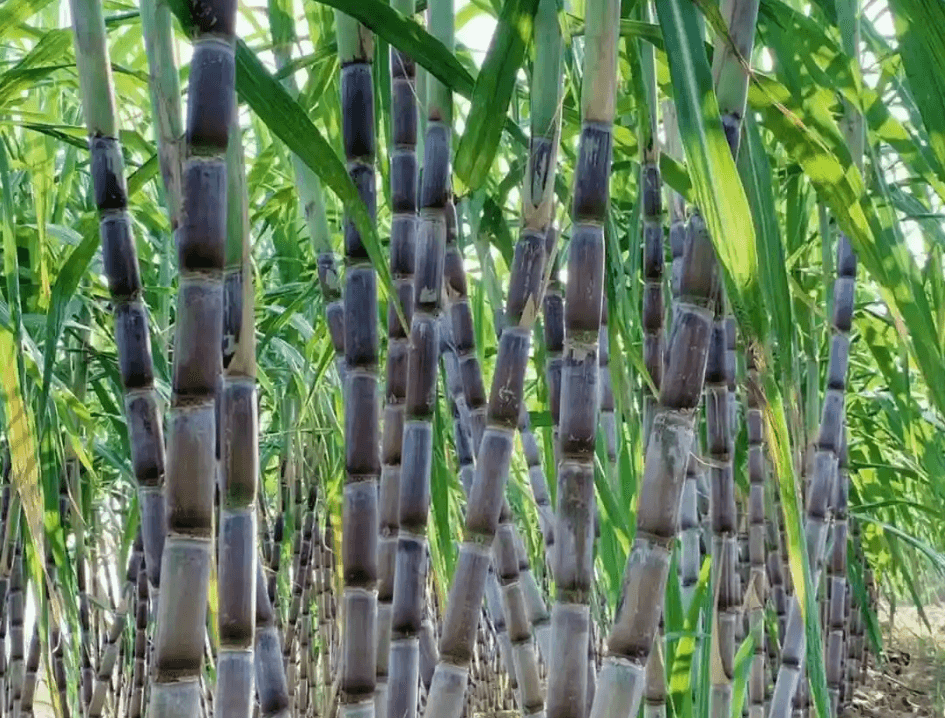
Sugarcane presents a different challenge. With an estimated 8.63 million hectares of sugarcane destined for harvest in 2024/25, Brazil's cane fields stretch across rolling terrain, hillsides, and densely planted rows where traditional aircraft often fail.
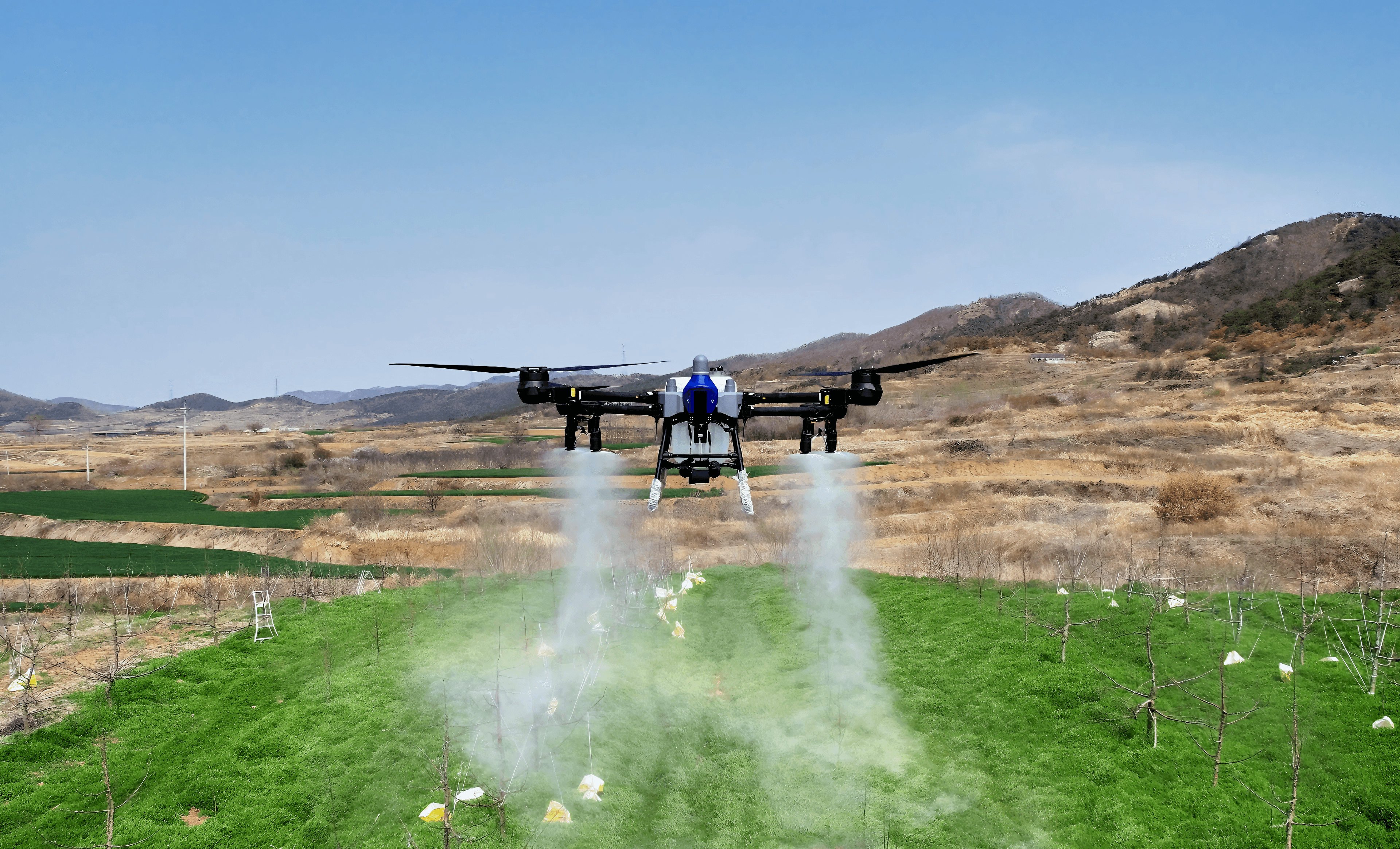
When spraying ripeners, fixed-wing aircraft and helicopters typically fly at around 15 meters. Due to their high speed, droplets often drift to nearby crops. Spray drones solve this by flying just 2.5 to 4 meters above the canopy and placing chemicals precisely where they are needed.
Initial results from drone-assisted sugarcane operations point to an estimated 5% increase in yields. That might sound small, but across 1.2 million acres, the economic impact is massive.
Quick Reference: Drone Spraying vs. Traditional Methods on Sugarcane
|
Factor |
Fixed-Wing Aircraft |
Agricultural Spray Drone |
|
Flight Height |
~15 meters |
2.5–4 meters |
|
Drift Risk |
High |
Low |
|
Canopy Penetration |
Limited |
Strong (mid + lower canopy) |
|
Terrain Adaptability |
Poor on slopes |
Autonomous terrain-following |
|
Chemical Savings |
Baseline |
20–35% reduction |
EAVISION's EA-J150 successfully navigates challenging fields with grassback terraces while maintaining consistent altitude and spray coverage. The system supports autonomous recognition of complex terrain, real-time obstacle avoidance, and canopy-following flight, with continuously adjustable droplet sizes from 10 to 300μm.
That flexibility in droplet size matters. Sugarcane needs coarser droplets to push through thick canopy. Soy fields need finer mist for broad, even coverage. One drone, both jobs. Pretty solid.
Related article: Agricultural Spraying Drones: What Crops Can They Treat?
What's Driving the Regulatory Green Light
In 2021, the Brazilian government updated regulations mandating all commercial drone operators obtain certification from ANAC under the RBAC-E No. 94/2017. This regulation established operational requirements, licensing, and safety standards for remotely piloted aircraft in commercial agriculture.
Brazil has further standardized the process for pilot training, making it easier for people to operate spray drones legally. In our experience, clear regulations like these speed up adoption because they remove the guesswork for farmers and drone service providers.
Getting Started with Agricultural Drone Operations in Brazil
For soy and sugarcane operators and ag service providers adding drone spraying, the barrier to entry is lower than most people think.
We recommend starting with a few questions: How many hectares do you manage? What are your biggest input costs? Where do you lose the most product to drift or uneven coverage?
EAVISION works with dealers across Latin America and beyond. If you're interested in partnership or want to explore our product lineup, feel free to get in touch.
Conclusion
Brazil's soy and sugarcane sectors are the perfect testing ground for agricultural drone technology, and also where the ROI shows up fastest. With nearly 58 million hectares of combined soy and sugarcane land, even small efficiency gains per hectare add up to millions in savings. The market itself is growing at a CAGR of 25.1% through 2030, and the farmers and service providers who move now will be the ones who profit most.
FAQs
Are agricultural drones legal for spraying in Brazil?
Yes. Brazil requires commercial drone operators to obtain certification from ANAC under the RBAC-E No. 94/2017, which covers licensing, operational standards, and safety for agricultural use. The country has also standardized pilot training requirements to make it easier to operate spray drones legally.
How much can agricultural drones save on soybean farming costs?
Variable-rate drone spraying reduces chemical usage by 20–35%, saving roughly $15–30 per acre. Precision farming techniques in Brazil can reduce overall input costs by up to 30%. On soy fields where crop protection alone eats 22% of your budget, those savings add up quickly.
What's the advantage of drones over aircraft for sugarcane?
Unlike fixed-wing aircraft that fly at around 15 meters, spray drones operate at 2.5–4 meters, which means chemicals reach the middle and lower parts of sugarcane plants more effectively. This reduces drift and improves canopy penetration, addressing two common problems in traditional aerial spraying.
Can one drone handle both soy and sugarcane fields?
Yes. Drones like the EAVISION EA-J150 offer adjustable droplet sizes and terrain-following capabilities, making them versatile enough for flat soybean fields and hilly sugarcane terrain alike.
How fast is the agricultural drone market growing in Brazil?
Brazil's agricultural drone market reached $77.4 million in 2024 and is expected to hit $291.9 million by 2030, growing at a 25.1% CAGR. Brazil holds 35% of the Latin American agricultural drone market share, making it the region's clear leader.