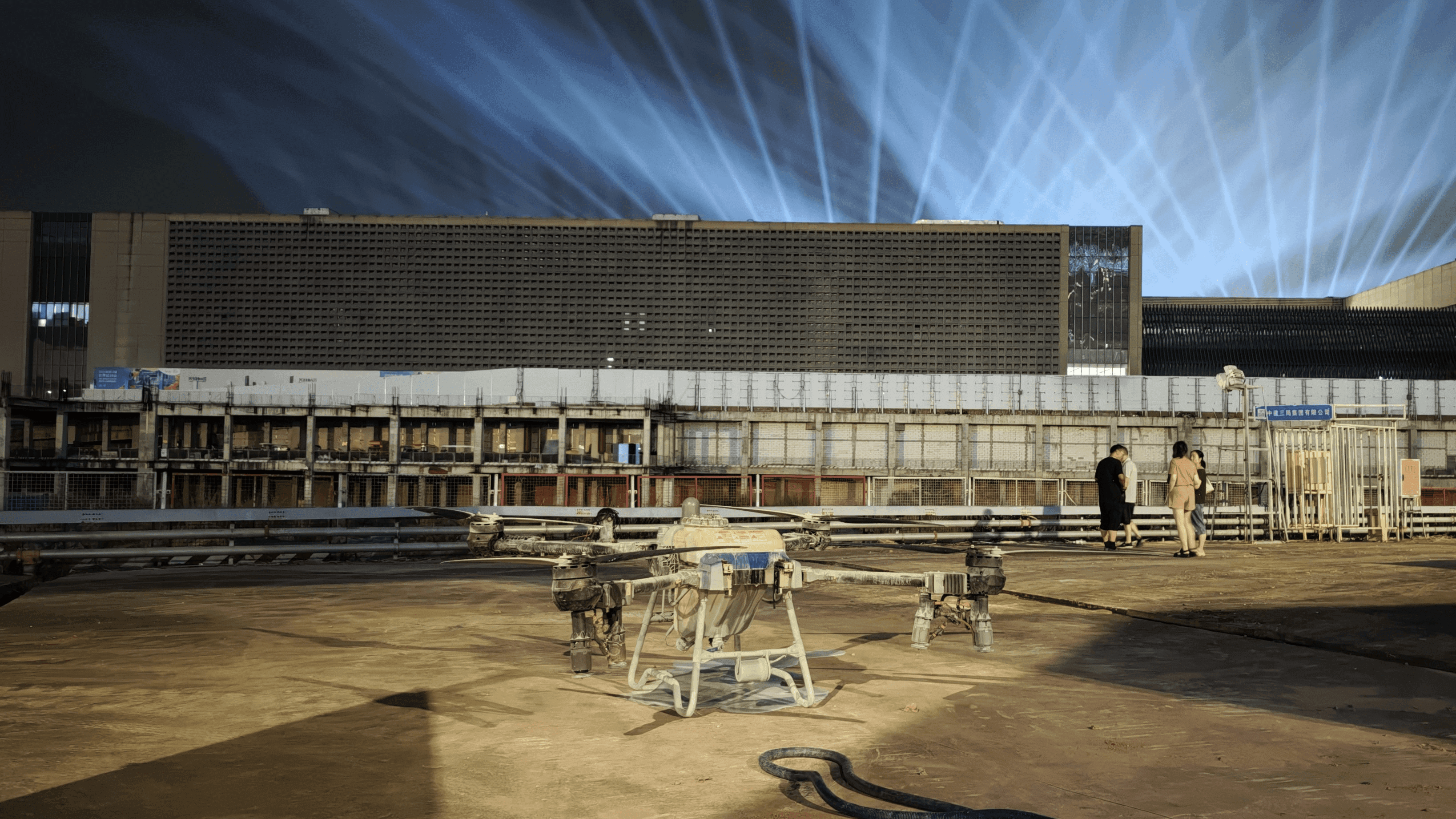
Agricultural Spraying Drones: What Crops Can They Treat?


If you manage farmland or provide services to those who do, you've probably been asked this: can an agricultural spraying drone actually handle my crop? The short answer is yes, and the list is longer than most people think. But not every drone performs the same on every crop, and that distinction matters.
Here's a practical breakdown of what crop spraying drones can treat today, what makes certain crops trickier than others, and how the right drone platform changes the equation.
Why Crop Spraying Drones Are Taking Off Globally
This isn't a niche trend anymore. The global agricultural drones market hit $1.92 billion in 2025 and is projected to reach roughly $12.05 billion by 2035, growing at a CAGR of 20.16%. And the crop spray segment is expanding at the fastest rate.
The shift toward drone-based spraying is about solving real agricultural constraints.
Several major factors are driving adoption:
- Rising operational costs: Fuel, machinery maintenance, and labor are becoming more expensive.
- Precision agriculture demand: Farmers want to reduce chemical waste and improve targeting.
- Field accessibility issues: Wet soil, steep terrain, or dense planting can limit traditional equipment.
- Labor safety and workload reduction: Manual spraying is physically demanding and often exposes smallholder farmers to prolonged chemical contact, making drone-based spraying a safer and less labor-intensive alternative.
In South America, Brazil's large-scale sugarcane, soybean, and corn operations already benefit from variable-rate spraying, while Argentina's grain and cattle sectors are adopting drones for crop monitoring. The demand is real across North America, Latin America, Southeast Asia, and Southern Europe.
Grain Crops: Where It All Started
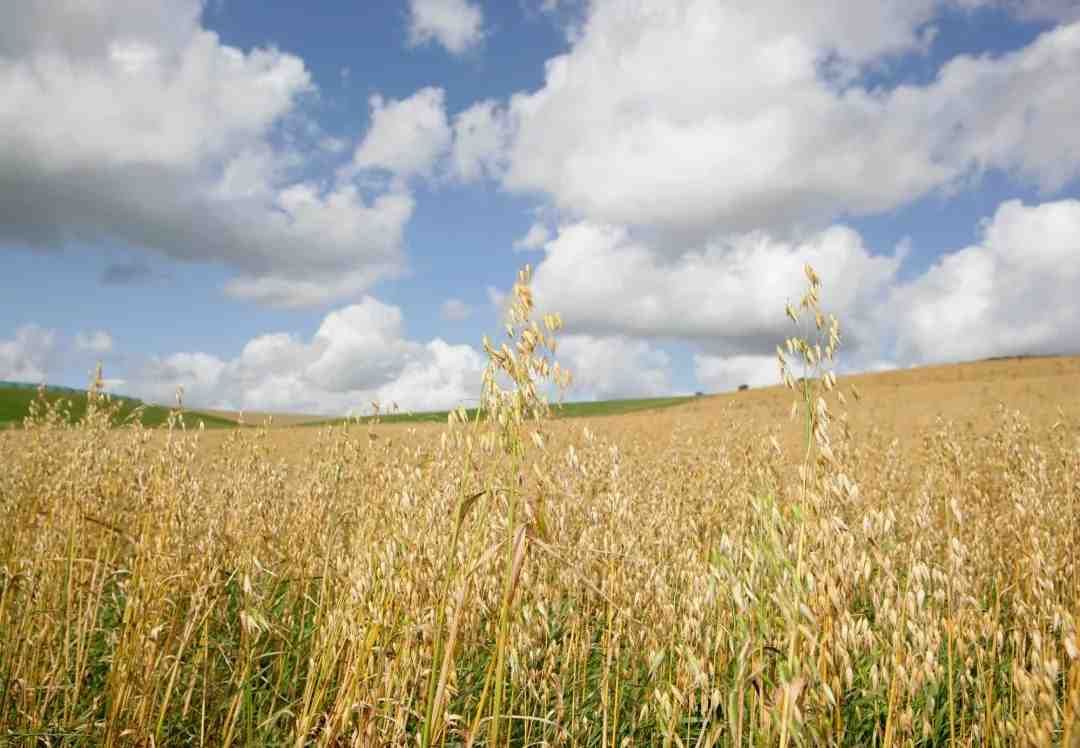
Grain fields were the first proving ground for drone spraying. Flat terrain, uniform canopy height, and high acreage make rice, wheat, corn, and soybeans ideal candidates.
- In the U.S., agricultural drones are used mainly for spraying crops such as corn and soybeans, especially in areas that are difficult to reach with tractors or crop-dusting aircraft.
- In China, drone-sprayed acreage jumped from 64 million acres in 2020 to 153 million acres in 2021.
- In Japan, while rice is the main crop treated with spray drones, usage on wheat, oats, and soybeans has been steadily increasing.
Fruit Crops and Orchards: The Real Test
Grain fields are relatively straightforward. Orchards and vineyards? Not so much.
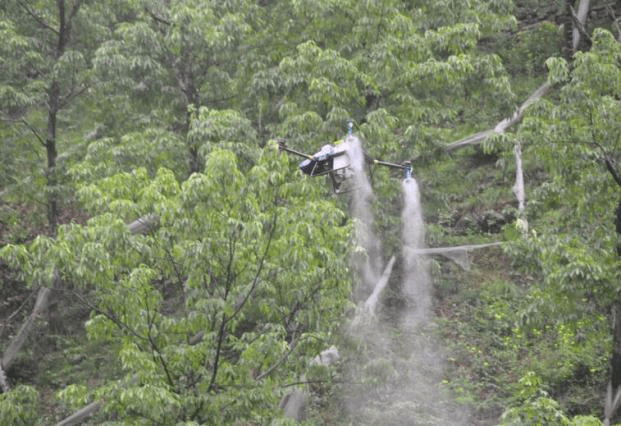
The target to be treated in vineyards and orchards is completely different from that of field crops. With fruit trees and grapevines, the target is above ground and exhibits great variation in height and depth, making uniform coverage difficult.
Key challenges
- Uneven canopy height and density
- Limited spray penetration into inner branches
- Difficult terrain and access in many regions
This is where drone spraying becomes more relevant. Modern agricultural spraying drones use vision systems and autonomous flight control to improve coverage in dense and irregular environments.
Core capabilities
- Obstacle detection and navigation
- Canopy-following flight adjustment
- Precision spray control
Orchards in regions such as Southeast Asia, Southern Europe, and parts of Africa often face similar constraints, including steep terrain and dense vegetation. As a result, drone spraying is increasingly used as a practical supplement to traditional methods.
Common orchard crops
Commercial and Cash Crops: Cotton, Sugarcane, Tea, and Potatoes
Commercial crops round out the picture nicely. Cotton and sugarcane fields across Latin America and Southeast Asia are prime candidates. They have large acreage, recurring spray cycles, and labor-intensive manual alternatives.
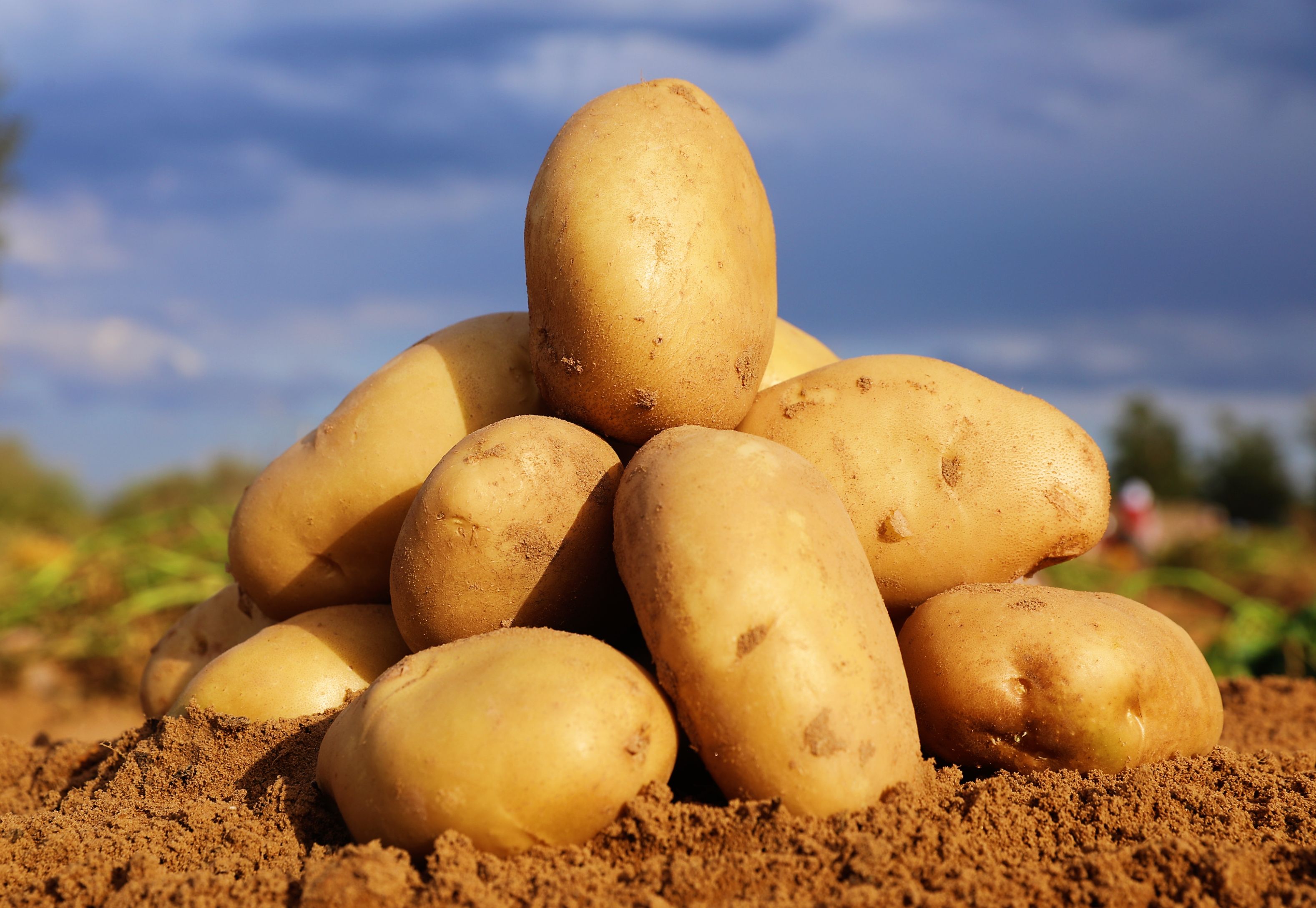
Then there are crops like potatoes. Potato is the world's third-largest staple crop, and disease pressure (especially late blight and early blight) demands timely, thorough spray coverage.
Key challenges in potato farming
- High disease pressure (e.g., late blight, early blight)
- Narrow treatment timing windows
- Risk of uneven coverage with manual spraying
In key production areas around Kunming, China, the EA-J150 agricultural drone supports precise control of late blight, early blight, and aphid complexes through uniform 3D deposition. This helps solve the uneven coverage and missed timing common with manual rigs. You can read the full potato protection case study here.
Tea, tobacco, and areca palm are also actively sprayed with drones, especially across hilly terrain where ground rigs simply can't reach.
What Makes One Drone Better Than Another?
Not every crop-spraying drone handles every scenario equally. Here are the factors that matter most when matching a drone to your crop type:
|
Factor |
Why It Matters |
What to Look For |
|
Terrain handling |
Hills, slopes, and uneven fields require intelligent navigation for safe and accurate spraying |
AI obstacle avoidance, canopy-following flight systems |
|
Droplet size control |
Different crops and pest pressures require different spray particle sizes for effectiveness |
Adjustable droplet range (e.g., 10–500 μm) |
|
Canopy penetration |
Orchards and dense crops need a spray to reach the lower and inner plant layers |
Strong rotor downwash, mist nozzle technology |
|
Payload and flight time |
Larger fields require fewer refills to maintain efficiency |
Optimized tank capacity balanced with flight endurance |
|
Autonomy |
Large-scale operations cannot rely on continuous manual control |
RTK GPS, autonomous route planning systems |
Conclusion
Agricultural spraying drones aren't limited to flat, open grain fields anymore. Today, they treat grain crops (rice, wheat, corn, soybeans), fruit crops (citrus, apples, grapes, lychee), and commercial crops (cotton, sugarcane, tea, potatoes, tobacco). They operate across terrains from flatlands to mountain slopes.
The crop type dictates the drone you need. Flat-field operations can work with almost any platform, but orchards, hillsides, and dense canopies demand advanced navigation, adjustable droplet control, and strong downwash. That's exactly where purpose-built platforms like the EA-J150 earn their keep.
FAQs
What crops can agricultural spraying drones treat?
Most modern crop spraying drones treat grain crops (rice, wheat, corn), fruit crops (citrus, apples, grapes, lychee), and commercial crops (cotton, potatoes, tea, sugarcane, tobacco). EAVISION alone has validated performance on over 150 crop varieties across diverse terrain types.
Are drones effective for spraying orchards and vineyards?
Yes, but it depends on the drone. Orchards and vineyards require a platform with terrain-following capability, canopy-penetrating downwash, and adjustable droplet size. Drones with AI-driven obstacle avoidance perform well in these conditions.
How much does drone crop spraying cost per acre?
Drone sprays can often be contracted for around $15 to $21 per acre, not including chemicals. For comparison, fungicide applications using crop dusters cost about $12.50 per acre. The cost gap shrinks when you factor in reduced crop damage and zero soil compaction.
Can drones replace traditional sprayers entirely?
For some operations, yes, especially on small-to-medium acreage or difficult terrain. For large-scale flat fields, drones often complement existing ground rigs. The sweet spot is using drones where tractors can't go or where manual spraying puts workers at risk.
Is EA-J150 suitable for multiple crop types?
Absolutely. The J150 supports both grain and tree-crop applications with its precision spray system and strong rotor downwash. It's already proven across potato fields, citrus orchards, tobacco plantations, and more.