Brazil Agricultural Drone Regulations: 7 Rules to Know in 2026


Brazil agricultural drone regulations are shifting fast. If you're operating or planning to operate spray drones in this market, you can't afford to guess. The number of ag drones in Brazil jumped from roughly 3,000 in 2021 to 35,000 by 2025, according to Brazil's Ministry of Agriculture and Livestock (MAPA). That kind of growth brings regulatory attention. And in June 2026, Brazil officially rewrote the rulebook.
Here are the 7 regulations you need to know right now. It is not legal advice. Before operating, verify the current rule text with Brazilian counsel, the competent authority, and any state or municipal body responsible for the specific farm site.
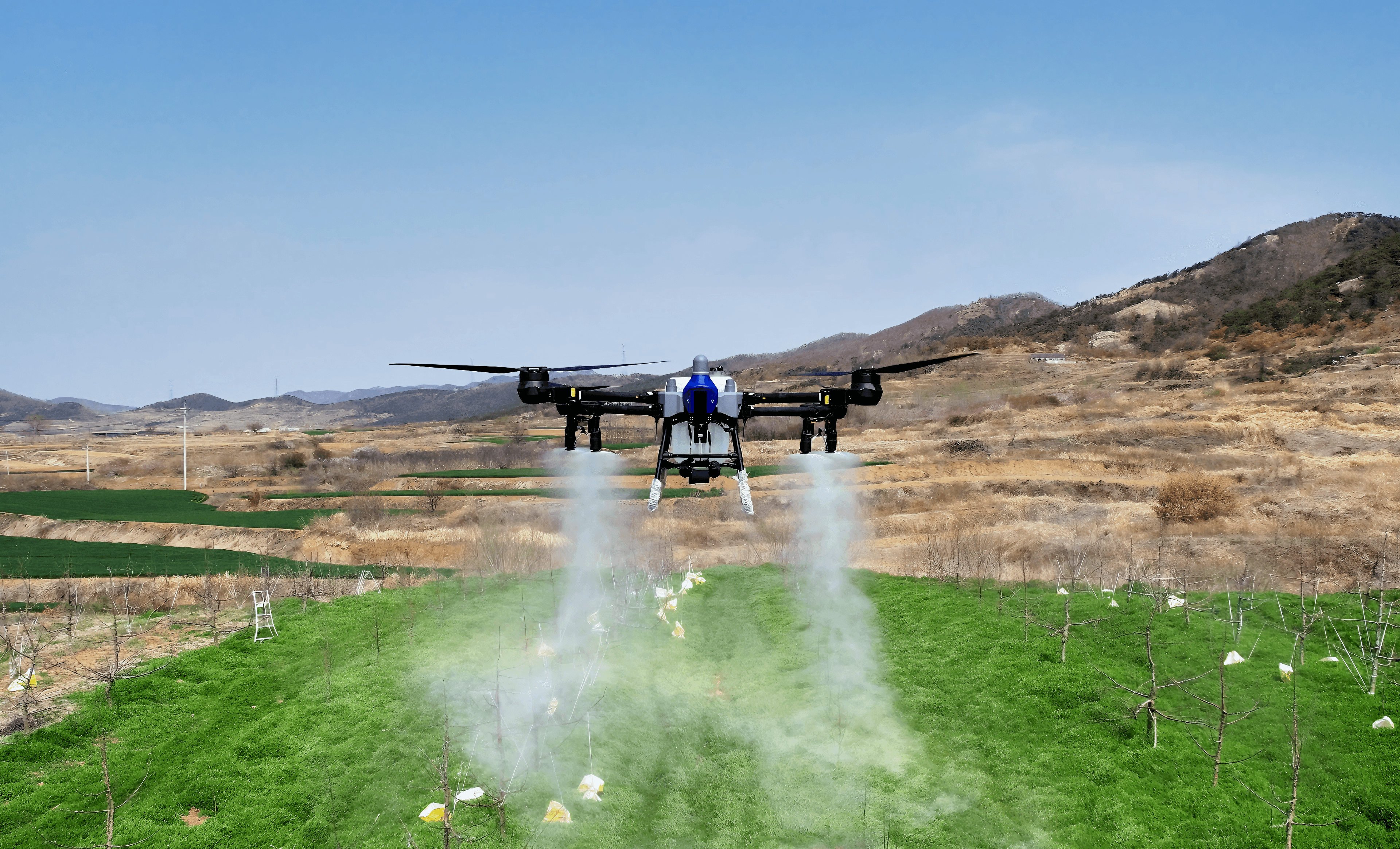
7 Brazil Agricultural Drone Regulations Operators Should Know
1. RBAC 100 Replaces RBAC-E 94 — Effective June 2026
This is the biggest change. ANAC published RBAC No. 100, which replaces the old RBAC-E No. 94. The main change? A shift from a weight-based classification system to a risk-based approach.
What does that actually mean for ag operators? The new structure offers greater regulatory flexibility. Operators can develop solutions in sectors like agriculture, infrastructure inspection, and public safety, as long as risks are properly managed.
Operations are now divided into three categories. The Open Category covers low-risk operations with visual line-of-sight flights and a max altitude of 120 meters. Two standard scenarios proposed include Agricultural Operations, which will eventually have predefined compliance criteria.
Operators with authorizations issued under RBAC-E 94 can continue operating under the old rules until June 16, 2028, as long as they maintain equivalent safety levels. But we'd recommend getting ahead of the transition rather than riding it out.
2. Registration with ANAC Is Still Mandatory
No change here. Drones weighing more than 250g must be registered in the Brazilian Unmanned Aircraft System (SISANT) and display a visible identification number. Remote pilots and observers must be at least 18 years old.
Registration is free but requires a CPF (Brazilian tax ID). Foreign operators? You're subject to the same rules as national operators and must obtain all local licenses. Something worth planning for if you're expanding from North America or Southeast Asia into the Brazilian market.
3. Three Agencies Govern Drone Operations — Not One
Here's what catches most newcomers off guard. Brazil splits responsibility across ANAC, DECEA, and ANATEL, and you need to be compliant with all three simultaneously.
- ANAC sets the rules and manages registrations
- DECEA controls airspace and issues per-flight authorizations through SARPAS NG
- ANATEL oversees the communication aspects, particularly the frequency spectrum used for drone operations, and ensures equipment meets national standards.
You could be fully registered with ANAC, have SARPAS clearance from DECEA, and still face a fine if your drone lacks the ANATEL seal. Keep that in mind.
4. MAPA Has Specific Rules for Ag Spraying
Beyond aviation regulations, the Ministry of Agriculture and Livestock (MAPA) sets specific rules for remotely piloted aircraft used for the application of pesticides, fertilizers, inoculants, soil amendments, and seeds.
MAPA's Ordinance 298 of 2021 requires professionals who use drones for spraying to complete a preparatory course and for operators to register with the Ministry. And here's the reality check: as of mid-2025, only 2,618 remotely piloted aircraft were registered for spraying. That's a fraction of the estimated 35,000 drones currently in operation. Enforcement is tightening, so getting registered now is smart.
5. A Theoretical Pilot Exam Becomes Mandatory in 2027
Under the new RBAC 100 framework, a mandatory theoretical exam is now required for all drone pilots. The exam will be administered through the ANAC Training Portal and will cover airspace knowledge, risk management, and drone operation. It will be a requirement across all operational categories.
The exam becomes mandatory on January 1, 2027. That gives you roughly 6 months to prepare. If you're running a fleet or managing ag service teams, build this into your training schedules now.
6. Agricultural Drones Are Exempt from Insurance — With Limits
This one's a relief for most farm operators. Brazil introduced an exception in 2023 for drones used in agriculture. Agricultural RPAs are exempted from the mandatory insurance requirement because large farming drones usually operate in isolated rural areas over fields, and farmers had difficulty finding insurers at affordable premiums.
Under RBAC 100, the insurance requirement remains for most operations, but exceptions still apply for certain ag operations in rural areas. Still, we'd recommend some form of coverage for your equipment, as the drones themselves aren't cheap.
7. Per-Flight Airspace Authorization via SARPAS NG
This is the one that surprises operators coming from other countries. In Brazil, you must submit each flight plan through DECEA's SARPAS portal and receive clearance before taking off. This applies to all flights in controlled airspace and is recommended even in uncontrolled areas.
In 2023, DECEA released ICA 100-40, modernizing airspace access rules for drones. The SARPAS system was upgraded (SARPAS NG) to be more user-friendly for requesting flight clearance. It's still an extra step compared to most countries, but it's not as painful as it used to be.
Brazil Agricultural Drone Regulations: Quick Compliance Checklist
|
Requirement |
Agency |
Status |
|
Drone Registration (SISANT) |
ANAC |
Mandatory for drones >250g |
|
RBAC 100 Compliance |
ANAC |
In effect since June 2026 |
|
Spraying Operator Registration |
MAPA |
Mandatory under Ordinance 298 |
|
Radio Frequency Homologation |
ANATEL |
Mandatory |
|
Flight Authorization |
DECEA (SARPAS NG) |
Per-flight in controlled airspace |
|
Theoretical Pilot Exam |
ANAC |
Mandatory from Jan 2027 |
|
Third-Party Insurance |
ANAC |
Exempt for ag operations |
What This Means for Your Operation
If you're already running agricultural drones or thinking about adding drone spraying to your service offering, Brazil's regulatory environment is maturing. That's actually good news. Clearer rules mean fewer surprises and more confidence for investors, dealers, and end users.
Brazil's agricultural drone market reached $77.4 million in 2024 and is expected to hit $291.9 million by 2030. Brazil holds 35% of the Latin American agricultural drone market share. The opportunity is real, but so is the compliance burden.
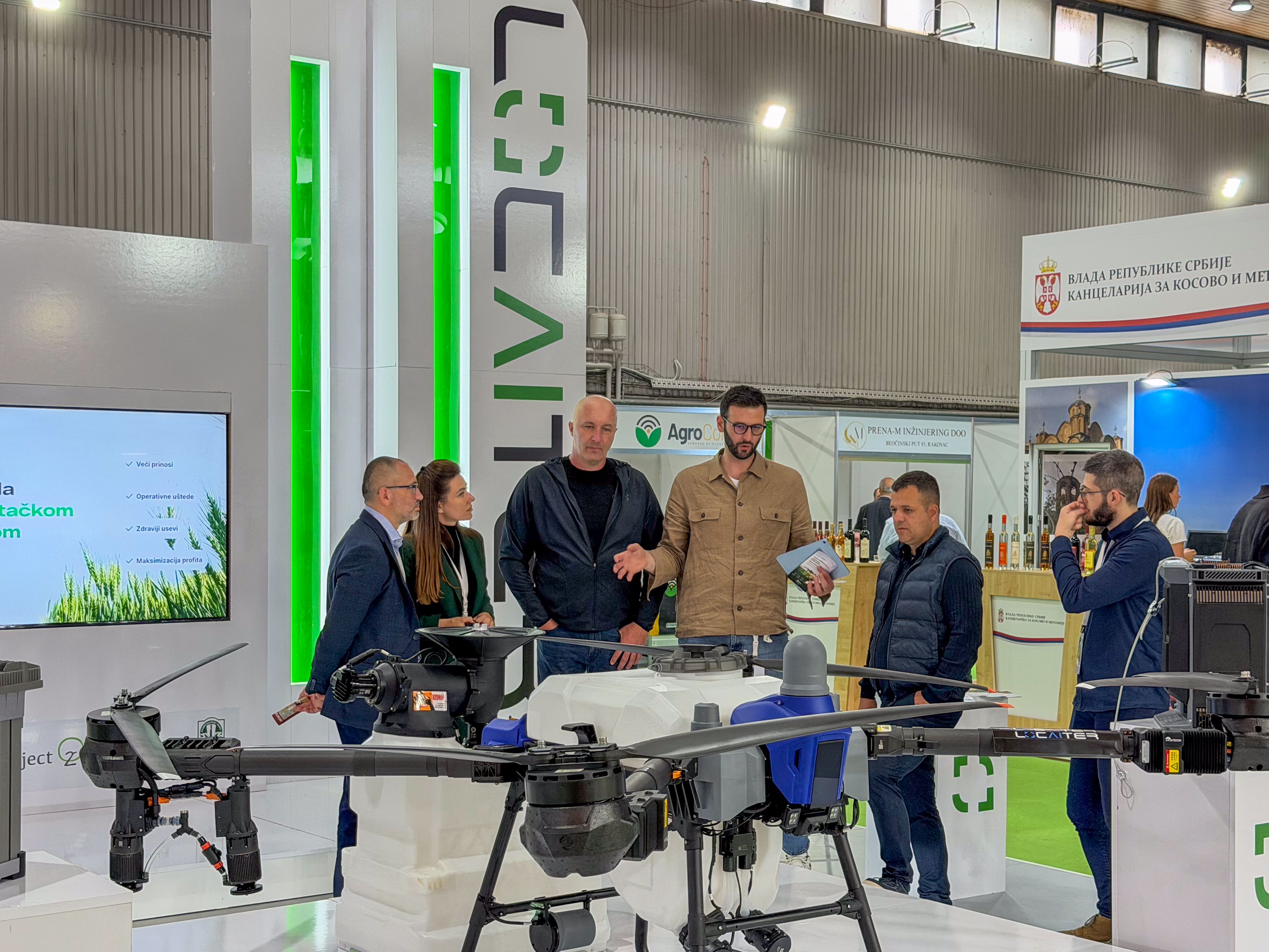
At EAVISION, we work with dealers and partners across Latin America who need equipment that's built for the terrain and ready for the regulatory environment. Our EA-J150 is already operating in complex conditions across soy and sugarcane fields in Brazil, and we help our partners understand what it takes to stay compliant.
Next Steps for Operators
Brazil agricultural drone regulations in 2026 come down to this: know your three agencies (ANAC, DECEA, ANATEL), register with MAPA if you're spraying, and start preparing for the RBAC 100 transition and the 2027 pilot exam. The insurance exemption for ag drones is a genuine advantage, and the per-flight SARPAS authorization isn't optional. The operators who take compliance seriously now will be the ones who scale without interruptions later.
FAQs
Is RBAC-E 94 still valid in Brazil?
ANAC published RBAC No. 100 in June 2026, which replaces the old RBAC-E No. 94. However, operators with authorizations issued under RBAC-E 94 can continue operating under the previous rules until June 16, 2028, as long as they maintain equivalent safety standards. New operators should register under RBAC 100.
Do I need a license to fly an agricultural drone in Brazil?
All RPA pilots must be at least 18 years old. For lightweight drones up to 25 kg flying within visual line of sight and below 400 ft, no pilot license is required. Pilots of Class 2 and Class 1 drones weighing over 25 kg must hold an ANAC-issued Remote Pilot License. Most agricultural spray drones fall into this heavier class, so yes, a license is likely needed.
Can foreign companies operate spray drones in Brazil?
Foreign operators are subject to the same rules as national operators and should obtain all local licenses to operate drones in Brazil. That includes ANAC registration, MAPA enrollment for spraying operations, and ANATEL radio homologation for your equipment.
What happens if I fly without proper registration?
Failure to comply can result in administrative sanctions under the Brazilian Aeronautical Code, including monetary fines, seizure of the drone, and suspension or cancellation of any certificates or licenses held by the operator. Penalties can stack. A single unauthorized flight may result in an ANAC fine, an ANATEL fine, and criminal charges for the same incident.
Are there specific rules for spraying pesticides by drone?
Yes. MAPA's Ordinance 298 of 2021 requires operators to complete a preparatory course and register with the Ministry for spraying activities. Drones can carry and disperse agricultural chemicals as part of crop-spraying activities, but these operations still require appropriate certification. Spraying drones are often classified as Class 2 due to their size and must operate under the oversight of agricultural authorities.