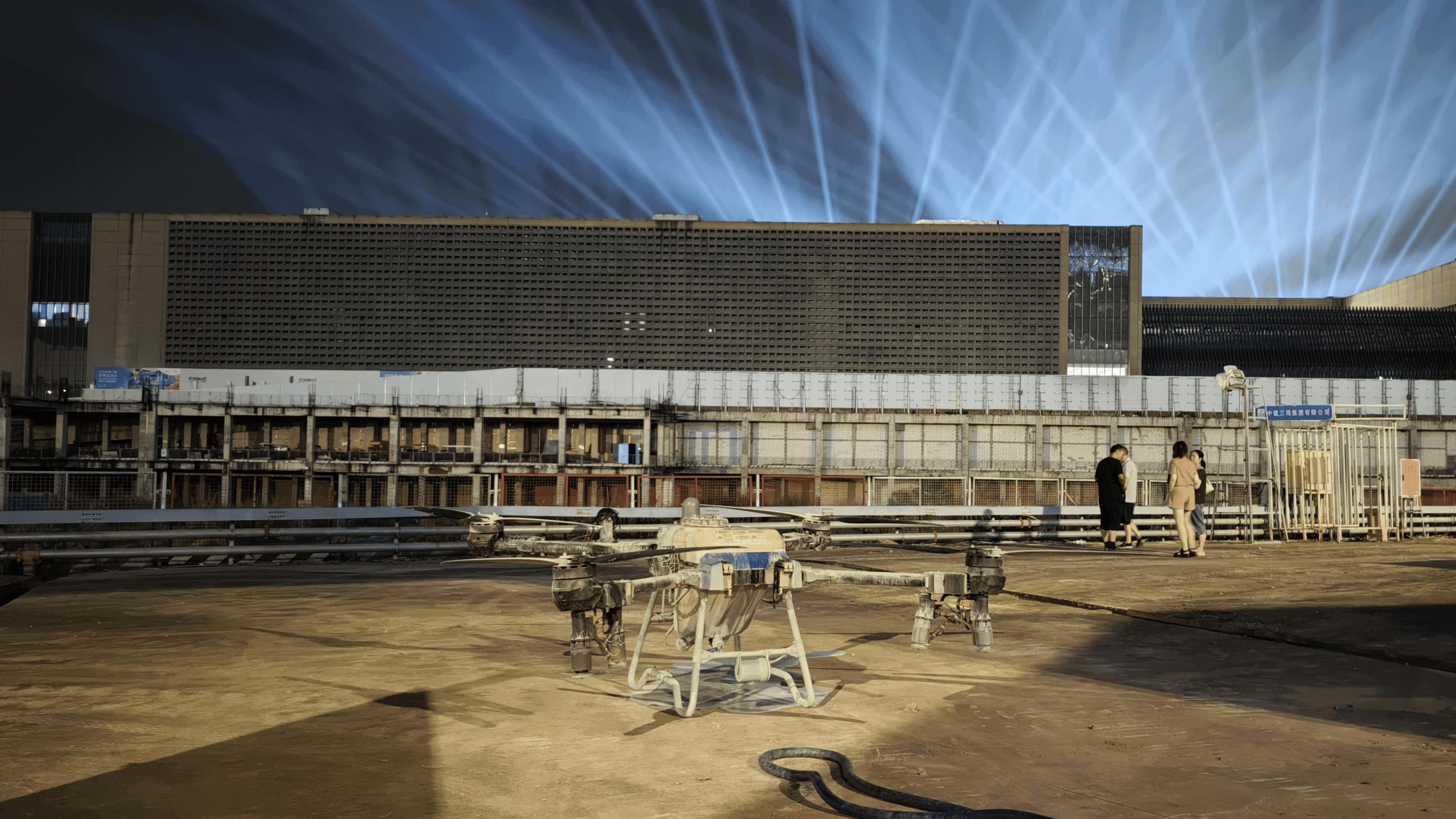
Drone Cover Crop Seeding: Is It Worth It?


Your last cornfield is still standing, and the drill is parked. You can wait for harvest, or you can fly the cover crop on now while there’s still time for it to grow. The difference isn’t the machine. It’s the days you gain.
That’s really the whole question with drone cover crop seeding: are those extra days worth what you spend to get them? It pays when waiting would push you past a good planting window. It doesn’t pay when the field will be open in time to drill into moisture, because the drill still gives you a more even stand.
So before you book a flight, three things decide the answer. How many days do you actually gain? Can the seed establish in the time you’ve bought? And what do seed and application cost together?
3 Main Cover Crop Seeding Methods
NC State Extension’s cover crop planting guide groups the options by how the seed reaches the soil. On a fall cover crop, the choice often comes down to whether your field is open and how much help the seed needs to make contact with the soil.
- Drilling. A drill places seed at a set depth and closes the slot. That improves seed-to-soil contact and can give you an even stand at a lower seeding rate. It’s a good fit when harvest leaves time to plant, and the ground can carry the tractor.
- Ground broadcasting. A ground spreader scatters seed over the surface. On accessible acres, it can cover ground quickly with equipment you may already own. A light incorporation pass or a roller can improve soil contact where it fits your tillage system.
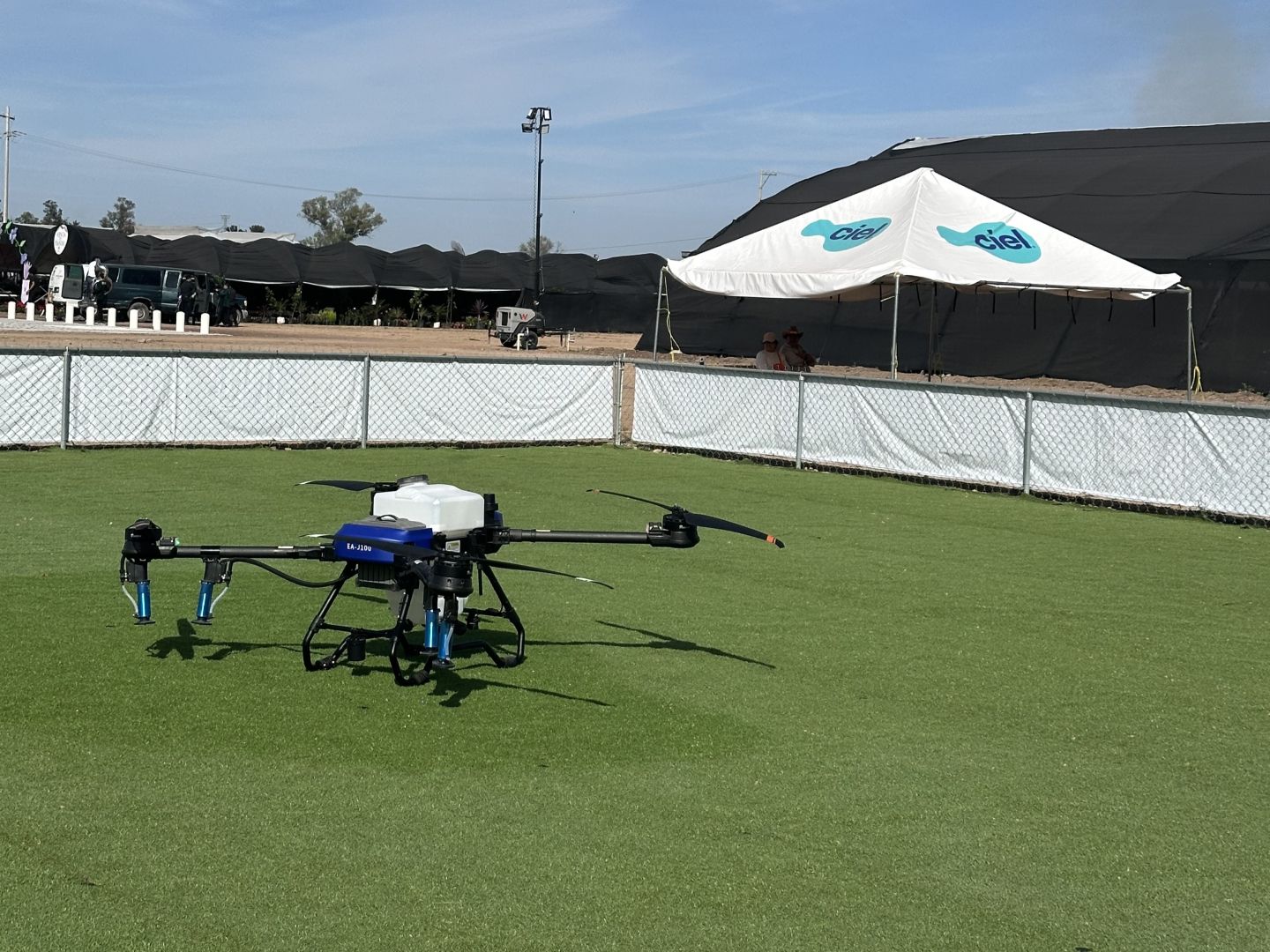
- Aerial broadcasting. A drone, airplane, or helicopter spreads seed from above. That lets you seed into a standing crop or reach a field that’s too soft for ground equipment. The seed lands on the surface, so residue and moisture have more say in how the stand comes up.
How Does Drone Cover Crop Seeding Work?
A dry spreader sits under the drone. Its hopper holds the seed, and a gate or auger feeds it onto a spinning disc as the drone crosses the field. In EAVISION’s SPD100 spreading system, you can swap the auger to suit the size of the material. The crew sets a target in pounds per acre and checks both the amount coming out and how evenly the seed lands across a pass. A mix can need different settings from straight rye because seeds of different sizes and weights travel differently.
Hopper size affects how often the crew has to stop and reload. Liters tell you the volume. To find the acres per load, use the weight of your mix the crew can carry and divide it by the planned pounds per acre. That’s the figure to ask about when a contractor says they can finish before the weather changes.
When Does Drone Seeding Make Sense?
Start with the date you’d realistically get the drill into each field. If the drone can only get there a day or two earlier, there may be little to gain. The case gets stronger when it can put seed out well ahead of a delay.
- Late-harvest corn. A field at the back of the combine schedule might miss the local planting window. An aerial pass can give the cover crop more growing days if the canopy is opening and seed can reach moist soil.
- Wet ground after harvest. A drone can reach acres that are too soft for a tractor, once wind and rain allow a flight. That helps when waiting for the field to firm up would leave too little time to establish a cover.
- A few fields need different timing. Keep the drill on acres that come off early. Quote a drone pass for the later fields where harvest is likely to hold up seeding. On a small or irregular block, a drone can also be easier to book than a plane, depending on local operators.
Do Cover Crops Grow Well When Seeded by Drone?
They can. The first question is when you need the cover. In a Pennsylvania Soybean On-Farm Network trial, the earliest drone-seeded cereal rye had about 12% green cover in fall across the three cooperating farms, compared with about 3% for rye drilled after soybean harvest. By spring, researchers found no clear difference in ground cover between planting dates or methods. The gain was earlier soil cover, which matters if your concern is bare ground going into winter.
A University of Maryland Extension trial in standing corn shows why field averages can hide thin spots. Drone-seeded radish averaged 23.2% green cover across one 71-acre field at the December check, after several killing frosts. Individual sample points ranged from 3.8% to 53.3%. If you need even cover, walk several parts of the field after emergence so you can spot thin areas while there’s still time to act.
How Much Does Drone Cover Crop Seeding Cost?
Alabama Extension puts U.S. custom drone seeding at about $10 to $20 per acre for application, excluding seed. A price can rise with the rate. One Iowa contractor lists cover crop seeding at $18 per acre up to 30 lb per acre and charges $0.10 per acre for each pound above that. At 50 lb per acre, its listed rate works out to $20 per acre for the pass.
Say the same seed costs $0.30 per pound and your local recommendation is 50 lb per acre by drone or 35 lb per acre by drill. Using the Iowa State 2026 average custom drilling rate of $19.05 per acre, here’s what those assumptions do to the bill.
- Drone at 50 lb per acre. $20 for application plus $15 for seed comes to $35 per acre.
- Drill at 35 lb per acre. $19.05 for application plus $10.50 for seed comes to $29.55 per acre.
The gap is $5.45 per acre, or $218 on 40 acres, before any travel fee, job minimum, or reseeding. Put each quote on the same basis. A low application fee can still lead to a higher total if you need more seed or a return visit.
Is Drone Seeding Worth It on Your Farm?
Take that 40-acre field. If waiting for the drill could leave the ground bare heading into winter and the flight can put seed down ahead of a good rain, the $218 premium could be worth it. If the drill can get in soon and place seed into moisture, spend the money there. If the ground is accessible and you can press broadcast seed into the soil, price that option too.
For a first season, hire the flight on one field where those extra days would matter. Keep a comparable strip to drill on your usual schedule. Record both costs, then look at ground cover before winter. If you’re growing for spring forage, compare usable growth in spring as well. Those results tell you which fields are worth flying next year.
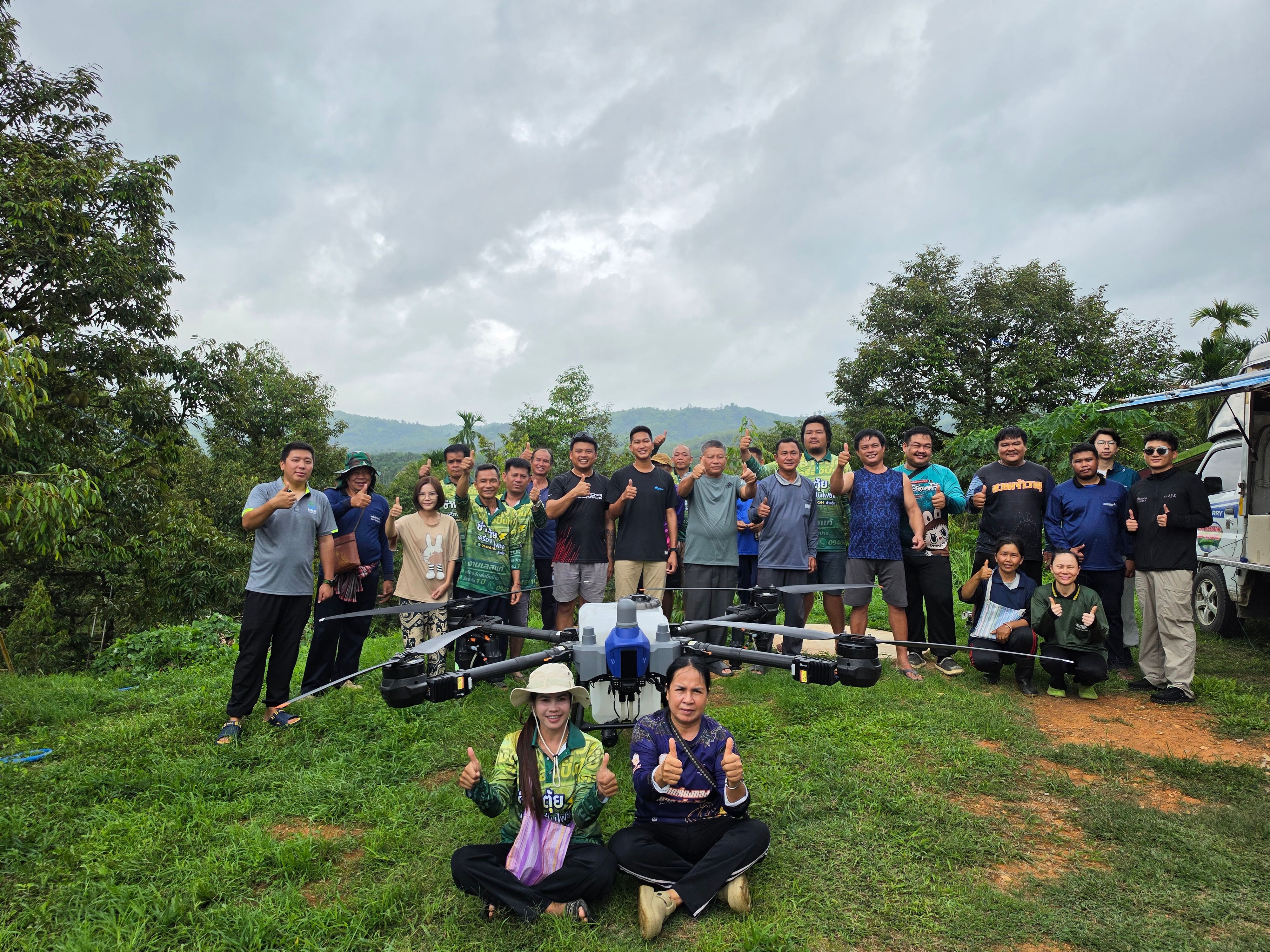
If you have enough repeat work to buy your own drone, start with the machine that fits your seed mix and acreage. Browse EAVISION‘s agricultural drone lineup and check which spreader matches the job.
Then look at who can keep it running during that short seeding window. Check what training, maintenance, and spare parts are available near you through EAVISION’s after-sales support.
If you sell or service farm equipment, you can apply to become an EAVISION dealer.
FAQs
Can You Seed Cover Crops Into Standing Corn?
Yes. A drone can broadcast into standing corn before harvest. A canopy that’s starting to open gives seed a better chance of getting through to the soil.
Which Cover Crop Seeds Work Well for Drone Seeding?
Cereal rye is a common choice for fall cover. Start with species that fit your planting date and goal, then check whether the operator can spread your seed or mix it evenly.
Does It Have to Rain Right After Drone Seeding?
The seed needs moisture long enough to germinate and establish. A well-timed rain helps, especially when the surface is dry, or residue keeps seed from making good soil contact.
Can I Use the Same Seeding Rate as My Drill?
Check local guidance for the species and method. Broadcast seed can need a higher rate because more seed may fail to make good soil contact. Include the difference in your seed budget.