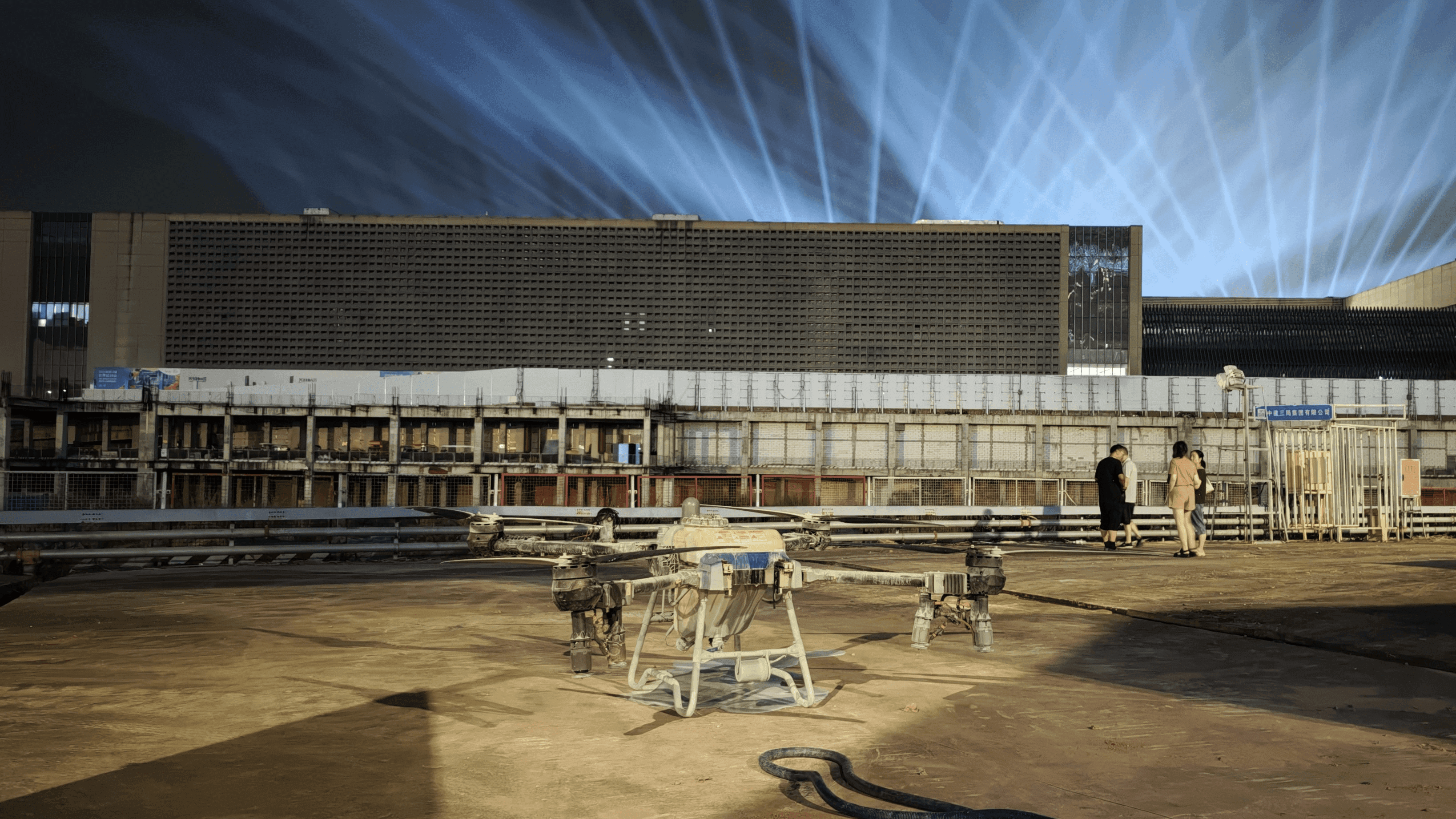
7 Key Benefits of Using Drones in Agriculture


Why are more farmers turning to aerial tech? The use of drones in agriculture delivers key benefits like pinpoint spot spraying, rapid field mapping, and safer working conditions without heavy machinery.
Drones allow you to treat troubled spots without wasting chemicals or soil compaction across the whole field. Here is a look at seven major benefits of incorporating agricultural drones and how they create real value for your operation.
1. Faster Field Decisions
Walking a large field takes time. A drone can scan the crop in a planned pattern and move unusual areas to the top of the scouting list. RGB images may show gaps, lodging, weeds, storm damage, or uneven color. Multispectral and thermal images can reveal less obvious patterns.
The map is a starting point, not a diagnosis. A person should inspect the flagged zone and confirm the cause. That simple step helps the team spend less time searching and more time acting on the right issue. The USDA Agricultural Research Service describes agricultural UAS work through scouting, monitoring, and managing in-season crop prescriptions.
2. Better Access at the Right Time
Fungicide, fertilizer, and scouting jobs often have narrow timing windows. Mud, steep slopes, terraces, tall crops, and fragmented fields can slow or stop a ground crew. A drone launches from the field edge and does not need a driveable path through every row.
This can help a farm complete work while crop and weather conditions are suitable. It does not mean a drone can fly in any weather. Wind, rain, visibility, temperature, aircraft limits, and the product label may still stop the job.
3. More Targeted Input Use
A field does not always need the same action everywhere. Drone imagery can mark a suspicious patch for ground inspection. If the problem is confirmed, an application drone may treat the selected zone when the prescription, product label, and local rules allow it.
That can reduce the area covered for a spot job. Save the boundary, flight log, product volume, and treated acres. Then compare them with the original whole-field plan. Also check deposition or spread uniformity. A neat route on a screen does not guarantee good coverage.
4. Less Crop and Soil Disturbance
A drone works above the field, so it does not create wheel tracks. This matters in soft soil, dense canopies, mature crops, and fields where repeated traffic damages plants. It also avoids adding another ground pass during a sensitive period.
The benefit can be measured. Record the crop area lost to wheel traffic, the number of field passes, and any soil repair work. Drones do not remove every soil issue on a farm. They remove the traffic created by the specific job they replace.
5. Safer Field Work
Remote operation can keep workers out of steep blocks, muddy paddies, tall crops, and some treated areas. It can also reduce manual hose dragging and repeated walking with heavy equipment. These are practical safety improvements when access is difficult.
Drones introduce different risks. Rotors, batteries, payloads, chemicals, and low-level flight require training, procedures, and personal protective equipment. In the United States, many dispensing operations fall under FAA Part 137 requirements. Safer work means reducing one type of exposure while controlling the new hazards.
Related article: FAA Regulations for Agricultural Drone Spraying: Part 137 Explained
6. Lower Costs at Scale
Drones may reduce crop damage, travel time, or labor on selected jobs. Ownership cost still needs to be shared across enough productive acres. Batteries, chargers, transport, training, insurance, software, permits, parts, and downtime all belong in the calculation.
A University of Missouri Extension model shows how acreage and equipment use can change the answer. Under its stated assumptions, estimated economic benefit was about $12.27 per acre at 1,000 farm acres and $7.39 per acre at 4,000 custom-application acres. These are examples, not universal savings. Local costs and working conditions should drive the decision.
7. More Jobs from One Platform
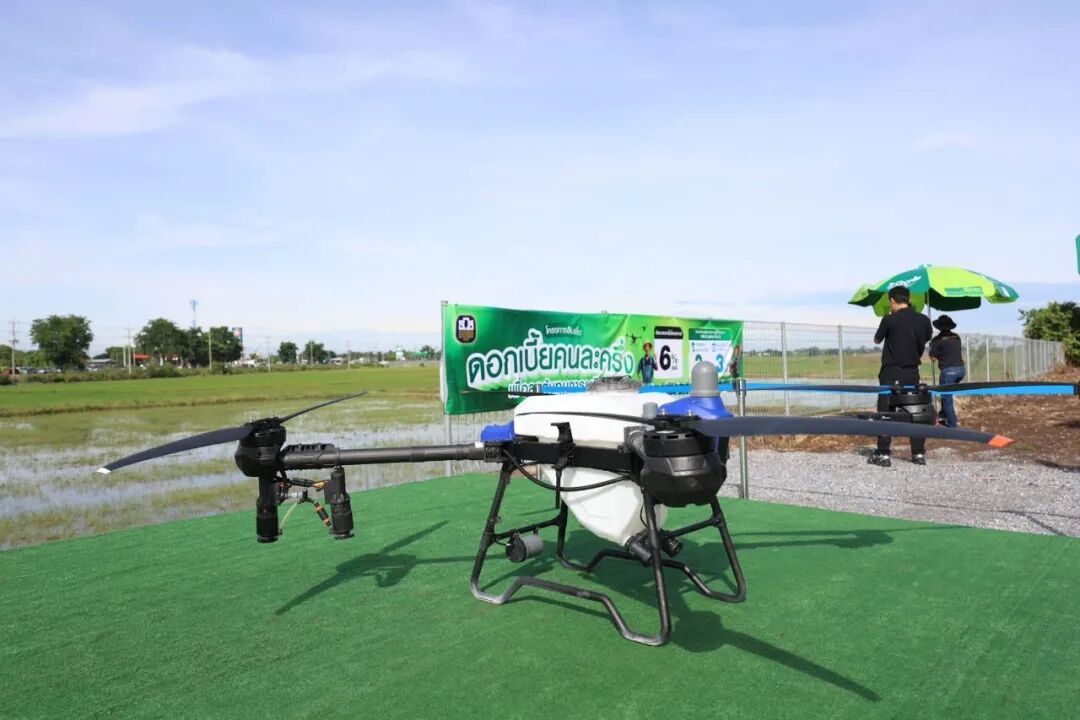
A useful agricultural platform can work across several seasons. With the correct attachment, it may spray crop-protection products, spread fertilizer or seed, collect field data, or carry rated loads. For example, the EAVISION J150 supports spraying, spreading, lifting, and field data capture.
Extra functions help only when changeover is practical. Time the cleaning, calibration, attachment changes, charging, and transport. Check whether local service teams stock the parts for each setup. A multi-use drone creates more value when the crew can switch jobs without losing the day.
Are Agricultural Drones Worth the Investment?
Agricultural drones can be worth the investment when timing, difficult access, crop protection, or repeated field data creates enough value to cover the full cost. Farms with high-value crops, narrow treatment windows, wet or steep ground, and enough annual work often have the strongest case.
The answer can still be no. A small workload, weak charging access, permit delays, limited training, or distant parts support may make ownership expensive. Large open fields may also favor a suitable high-capacity ground machine or crewed aircraft.
The benefits of agricultural drones are strongest when the aircraft completes a useful job on time, at acceptable quality, and often enough to justify ownership. Judge the complete workflow, not the fastest brochure number.
Want to test the business case on your fields? Share your crop, acreage, terrain, country, and main task with EAVISION. Ask for a field demo and a written workflow comparison.
Related article: Is a Drone for Spreading Fertilizer Worth It?
FAQ
What Are the Main Drone Benefits?
Faster decisions, timely access, targeted inputs, less ground disturbance, safer work, lower costs at scale, and multi-use flexibility are the main benefits. The most important one depends on the farm's biggest bottleneck.
Can Agricultural Drones Reduce Costs?
They can when enough productive acres share the ownership and operating costs. Compare cost per completed acre with a ground machine or contractor and include batteries, labor, transport, support, and downtime.
Can Drones Reduce Pesticide Use?
They may reduce the treated area when a confirmed problem can be handled as an approved spot application. Flight logs, product volume, coverage checks, the label, and local rules should support the claim.
Are Spray Drones Safer for Workers?
Remote operation can reduce time spent in steep, muddy, or treated areas. Safe results still require trained operators, PPE, aircraft procedures, label compliance, and control of rotors, batteries, payloads, and drift.
Which Farms Benefit Most from Drones?
Farms with narrow treatment windows, difficult access, valuable crops, repeated scouting needs, or enough acres to keep the system busy often have the strongest case. A local field trial is the best test.