Ag Drone Canada: How to Get Certified in 2026


Buying an agricultural drone is the exciting part. Certification is the part that gets it into the field legally. In Canada, that path became clearer in 2026. New aviation rules now cover many medium drones, and Health Canada has opened a wider route for pesticide application by drone.
There is still no single ag drone Canada licence that covers everything. You need to match the pilot certificate to the aircraft and flight. Then you must meet federal pesticide rules and the requirements in your province or territory. Here is the practical order to follow.
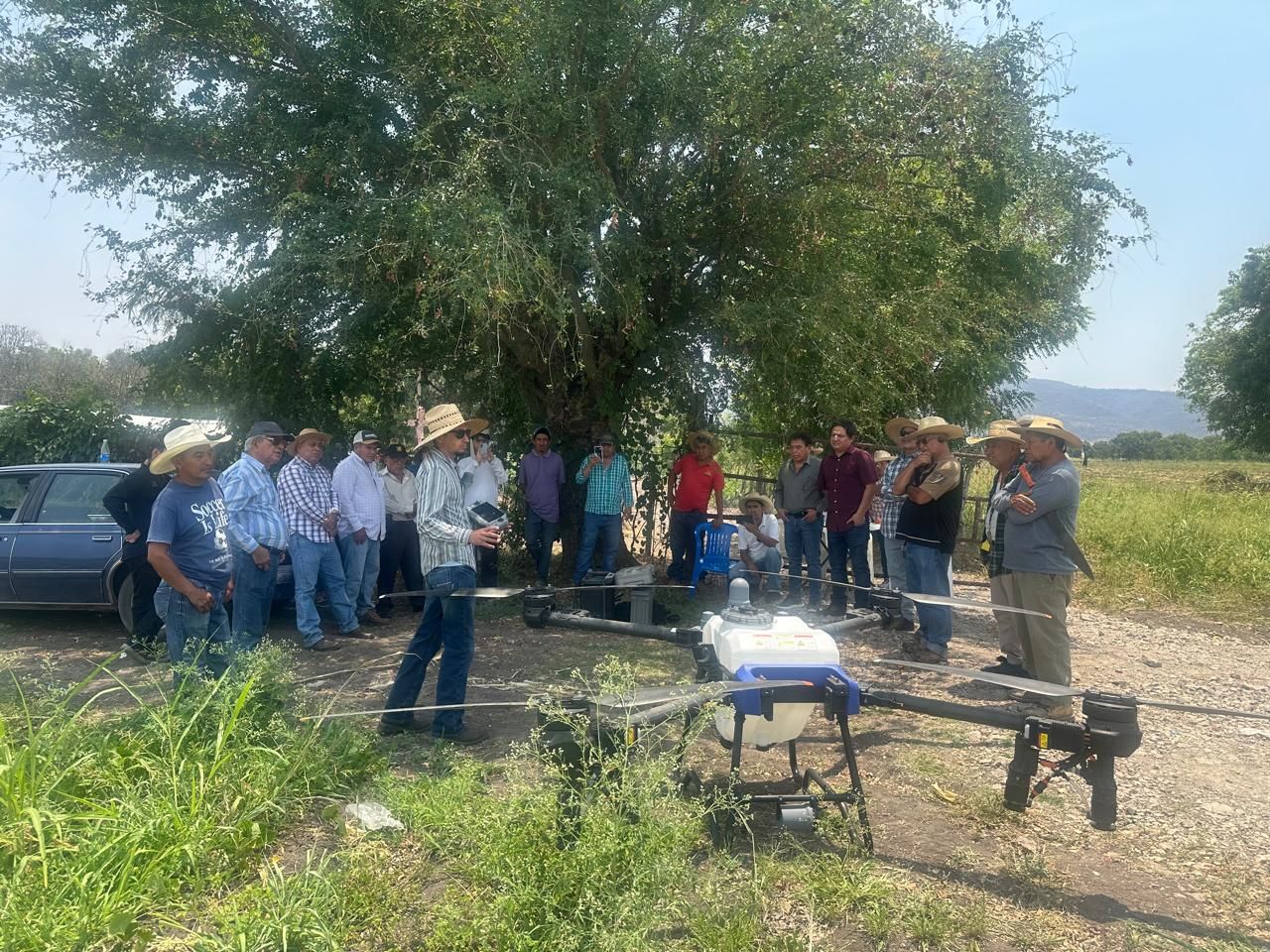
Ag Drone Canada Certification at a Glance
|
Layer |
What to check |
What it means |
|
Pilot |
Transport Canada pilot certificate |
Basic, Advanced, or Level 1 Complex based on the operation |
|
Aircraft |
Registration and safety eligibility |
Register at 250 g or more and verify the required declaration |
|
Spray job |
Health Canada product label |
Use only when RPAS or aerial application is allowed |
|
Location |
Provincial or territorial rules |
Obtain the applicable pesticide training certificate or permit |
Most full-size spray drones weigh more than 25 kg when ready to fly. In Canada, that puts them in the medium category, which runs from over 25 kg through 150 kg. A Basic certificate does not cover medium drones. For a typical visual line of sight farm mission, the Advanced path is often the relevant starting point.
Do Farmers Need a Drone Pilot Certificate in Canada
Yes, when the drone weighs 250 g or more. That rule applies on private farmland too. Transport Canada bases the requirement on the aircraft and operation, not on whether you charge a customer. The pilot must carry a valid certificate while flying, and the drone must be registered and marked.
The operating weight includes the payload and anything attached to the aircraft. Check the real takeoff weight with the tank or spreader loaded. Do not choose a certificate from the empty weight printed on a sales page.
Which Ag Drone Canada Certificate Do You Need
Basic Operations
Basic certification is limited to small drones from 250 g through 25 kg and basic operating conditions. It may fit scouting or mapping aircraft. It usually does not fit a loaded commercial spray drone.
Advanced Operations
Advanced certification covers small and medium drones within visual line of sight when the aircraft meets the required safety declaration. It also supports controlled airspace operations with air traffic control permission and other advanced privileges. This is the common route to investigate for a medium agricultural drone that stays within sight.
Level 1 Complex Operations
Level 1 Complex certification is designed for lower risk flights beyond visual line of sight. You must also operate under an RPAS Operator Certificate, or RPOC. The aircraft needs the correct safety assurance, and the mission must remain inside the permitted lower risk BVLOS conditions.
Special Flight Operations Certificate
An SFOC is still required for operations outside the Basic, Advanced, or Level 1 Complex rules. Examples include drones over 150 kg, many higher complexity BVLOS missions, certain multi drone operations, and foreign operators. If the payload may be classified as dangerous or hazardous, confirm the authorization path with Transport Canada before flying.
How to Get an Advanced Drone Certificate in Canada
- Create an account in the Transport Canada Drone Management Portal.
- Study the official Advanced knowledge requirements and current flight rules.
- Pass the online Advanced Operations exam.
- Book and pass an in person flight review with an approved reviewer.
- Apply for the Pilot Certificate for Advanced Operations and carry it when you fly.
You must be at least 16 for the Advanced certificate. A flight school is not mandatory for this level, but practical training is sensible before a loaded spray mission. Your certificate does not have a printed expiry date. You still need to complete an accepted recency activity within each 24 month period and keep proof.
Once the certificate is in hand, train on the aircraft you will actually use. EAVISION service and training support covers product learning, parts access, remote guidance, and authorized service resources. That practical layer helps a new pilot turn regulatory knowledge into a repeatable field routine.
The Level 1 Complex route adds more work. The pilot must be at least 18, pass the Advanced exam, complete at least 20 hours of ground school, pass the Level 1 Complex exam, pass the related flight review, and apply for the certificate. The operator then needs an RPOC with training, maintenance, operating, and safety procedures.
Register the Drone and Check Its Safety Declaration
Register every drone that weighs 250 g or more through the Drone Management Portal and mark the aircraft with its registration number. The current registration fee is CAD 10. Registration alone does not prove that a medium spray drone is eligible for your mission.
For Advanced and Level 1 Complex operations, check Transport Canada's list of declared drones. A medium drone without the required Safety Assurance Declaration cannot be operated in Canadian airspace. Confirm the exact model and configuration before paying a deposit. A similar model name is not enough.
Compare the EAVISION J150 and EAVISION J70 product pages to understand payload, spray, and transport differences, then ask the manufacturer or Canadian dealer to identify the exact declared configuration for your intended operation. A product page helps with selection, but Transport Canada's declaration list controls aviation eligibility.
Can You Legally Spray Pesticides With a Drone in Canada
Yes, but the product label controls the job. On June 30, 2026, Health Canada began allowing RPAS application of products already registered for conventional aerial application. If a label gives RPAS directions, follow them. If it allows aerial application but does not mention RPAS, the 2026 policy lets an RPAS follow the aerial directions exactly.
You cannot reduce the label's minimum spray volume or change the application rate, droplet size, buffer zone, retreatment interval, or other conditions simply because a drone works differently. If the label says do not apply by air, or does not allow aerial application, drone spraying is prohibited.
Crew roles matter too. Health Canada says the person mixing the pesticide must not be the drone pilot. The pilot may load premixed product only when the label allows it and a closed transfer system is used. Keep the pilot, visual observer, and crew upwind of the spray.
Check Provincial Pesticide Training and Permits
Pesticide certification is administered by provinces and territories, so the details change by location and by the product or service. A commercial applicator may need training, an aerial or RPAS category, a business licence, a permit, insurance, and application records. Check the regulator where the field is located, even if your pilot certificate was issued elsewhere in Canada.
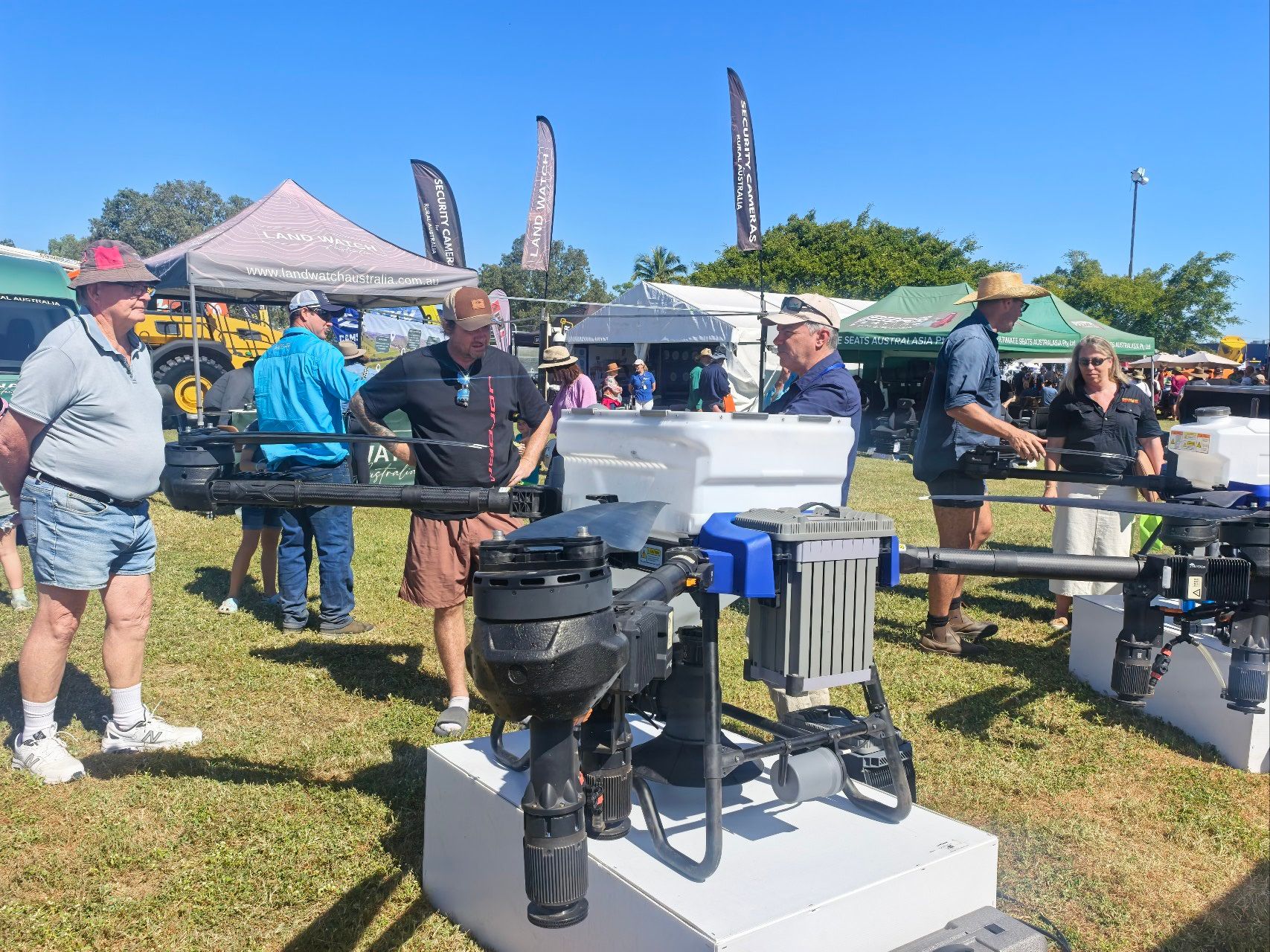
Get Certified Before You Buy the Full System
For most Canadian spray operators, the cleanest path is to confirm the aircraft first, earn the Advanced certificate, register the drone, and complete provincial pesticide requirements. Move to Level 1 Complex or an SFOC only when the mission needs those privileges. Rules can change, so verify the final plan with Transport Canada, Health Canada, and the provincial regulator before operations begin. If your business wants to bring EAVISION products and support to local growers, you can apply to become an EAVISION dealer.
Frequently Asked Questions
Is a Basic drone certificate enough for agricultural spraying in Canada?
Usually not for a full-size spraying drone. Basic certification covers small drones up to 25 kg in basic conditions. Most loaded agricultural spraying drones are medium drones, so an Advanced certificate and an eligible declared aircraft are commonly required for visual line of sight work.
Do I need a licence to fly an ag drone on my own farm?
Yes, if the drone weighs 250 g or more. Private property does not remove Transport Canada pilot certification and registration rules. Pesticide labels and provincial requirements also apply to work on your own land.
Can I spray any aerial pesticide with a drone in Canada?
No. The label must permit RPAS use or conventional aerial application under Health Canada's 2026 policy. You must follow all applicable aerial directions. A product that prohibits aerial application cannot be sprayed by drone.
Do agricultural drones need an SFOC in Canada?
Not always. Since November 2025, eligible medium drones can conduct certain Advanced visual line of sight operations without an SFOC. An SFOC is still needed for flights outside the standard categories, including many higher-complexity missions, large drones, and foreign operations.
Can a foreign drone pilot use a home country certificate in Canada?
A foreign certificate does not replace Canadian requirements. Foreign pilots flying a drone of 250 g or more need a Canadian pilot certificate and generally need a foreign SFOC to address registration and operating requirements.