After-Sales Support Checklist for Agricultural Drone Buyers


Agricultural drone buyers often compare tank size, spray width, flow rate, battery life, and price. Those numbers matter, but they do not answer a practical ownership question: what happens when the drone needs support?
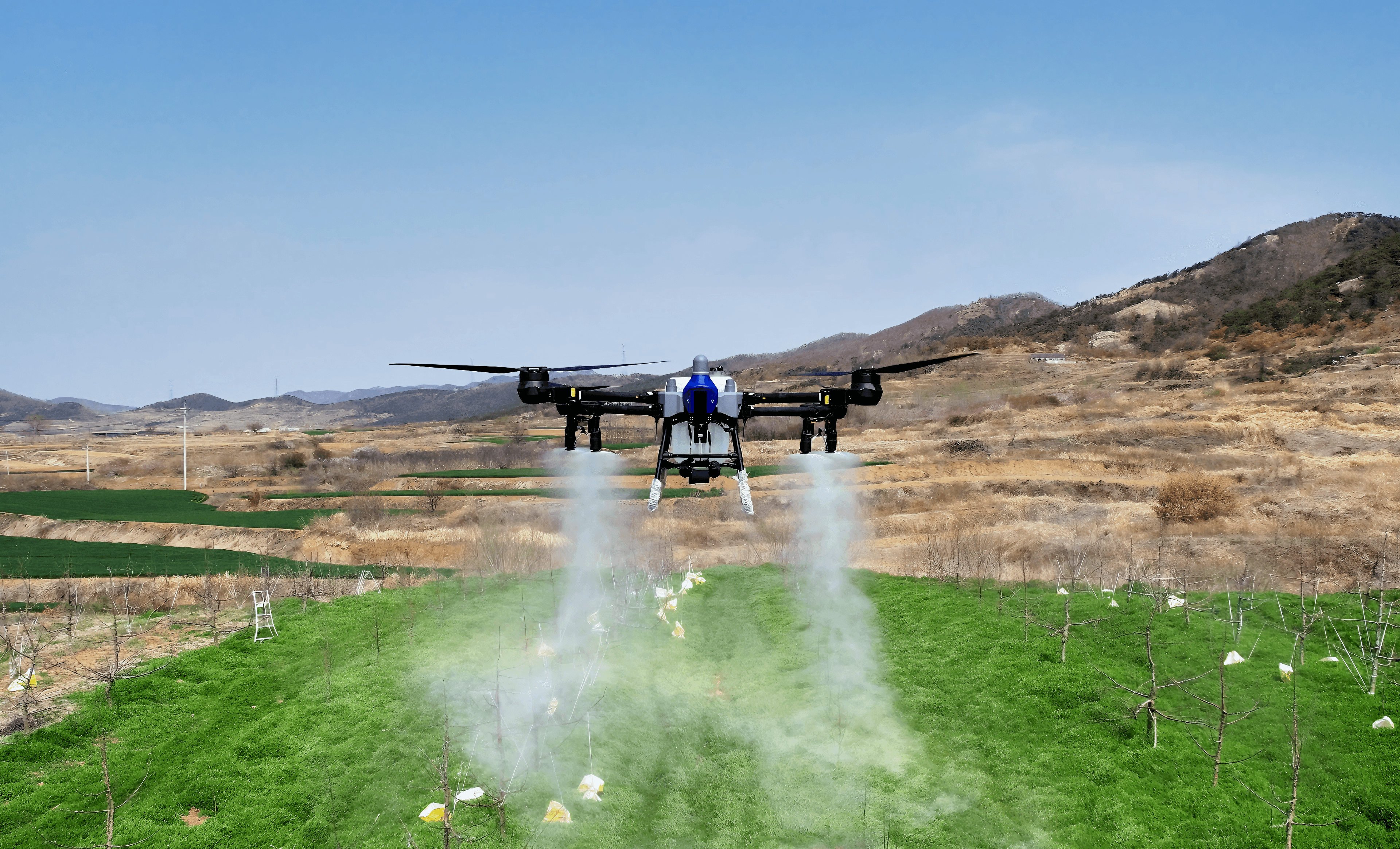
Agricultural drone after-sales support can decide whether a machine works through a short spray window or sits idle while the crop keeps growing. A professional spray drone needs trained operators, agricultural drone parts, maintenance routines, warranty clarity, and fast service response.
This checklist helps farms, spray service providers, and dealers compare suppliers before they buy.
Why After-Sales Support Matters More Than Buyers Expect
Spray drones work under pressure. Weather changes quickly, pest pressure may not wait, and contractors often have customers scheduled back to back. In that context, support is not a nice extra. It is part of the productivity system.
Strong support can reduce downtime, keep consumables available, improve training, maintain spray quality, handle warranty questions, and build dealer confidence. Weak support creates the opposite result. A low-price drone can become expensive if the buyer cannot get nozzles, filters, pumps, batteries, propellers, or technical help during the season.
The better buying question is not only "Which drone is cheapest?" It is "Which supplier can keep this drone operating when the work starts?"
The Support Areas Every Buyer Should Check
Use this short checklist when comparing suppliers.
|
Support Area |
What to Verify |
Why It Matters |
|
Parts |
Original parts, consumables, local stock, shipping time |
Reduces downtime |
|
Training |
Pilot, spray setup, maintenance, dealer training |
Prevents avoidable mistakes |
|
Warranty |
Coverage, exclusions, claim process |
Avoids surprises |
|
Maintenance |
Cleaning, inspections, service records |
Protects reliability |
|
Technical support |
Remote guidance, online support, escalation path |
Speeds up troubleshooting |
|
Dealer support |
Training, parts access, warranty workflow |
Builds local service capacity |
Buyers should ask for evidence. A supplier that says "we support you" should explain who provides support, where parts are stocked, how training works, and what happens when a service case is opened.
1. Parts Availability and Consumables
Agricultural drone parts are not optional. Spray drones have wear items and damage-prone components, especially in busy seasons. Buyers should know which parts are stocked, how quickly they ship, and which consumables should be purchased with the drone.
Ask about nozzles, atomizers, filters, hoses, pumps, propellers, batteries, chargers, landing gear, seals, fasteners, controllers, antennas, sensors, and field-replaceable parts.
For dealers, parts planning is even more important. A dealer who sells a drone without a parts plan may win the first sale and lose the customer during the first breakdown.
2. Training for Operators and Dealers
Agricultural drone training should go beyond basic flight. A trained operator should understand field boundaries, route planning, application volume, flow rate, droplet size, drift conditions, battery rotation, refilling, nozzle cleaning, recordkeeping, and emergency response.
Training should include aircraft inspection, app use, mapping, spray calibration, battery handling, wash-down, troubleshooting, safe chemical workflow, and job reporting. For dealers, it should also cover onboarding, demo planning, warranty intake, parts ordering, and first-line support.
EAVISION Academy is useful because buyers need repeatable learning, not a one-time handoff. Training content also matters for compliance. In markets such as North America, FAA rules may apply to commercial drone operations, Part 137 may apply to agricultural dispensing, and pesticide applicator certification may be required.
3. Warranty and Service Process
A warranty is useful only if the process is clear. Before buying, ask what is covered, what is excluded, how claims are submitted, who diagnoses the issue, who pays shipping, and how long repairs normally take.
Buyers should also ask how the warranty handles batteries, chargers, pumps, nozzles, crashes, water exposure, chemical corrosion, software issues, and consumables. The goal is to avoid downtime surprises.
4. Maintenance, Wash-Down, and Service Records
Maintenance should be planned before the first spray job. A drone that handles chemicals, dust, mud, water, and vibration needs cleaning, inspection, calibration, and records.
Good maintenance routines include pre-flight checks, post-spray wash-down, nozzle and filter cleaning, battery inspection, firmware guidance, pump checks, propeller inspection, and seasonal service. Buyers should ask for written checklists and replacement intervals.
Service records also protect resale value and warranty discussions. They show that the buyer treated the drone as a professional agricultural asset, not a casual gadget.
5. Remote Technical Guidance and Online Support
Remote support matters because many field issues are not major repairs. They may be setup questions, software confusion, calibration errors, warnings, or operator mistakes. Fast remote guidance can save a spray day.
Ask whether support is available by phone, chat, video, ticket system, or dealer channel. Also ask whether technicians can review logs, photos, screenshots, and job data.
Dealer Program Checklist
Dealers should evaluate a manufacturer as carefully as farmers evaluate a drone. A dealer program should include product training, technical training, demo support, parts access, warranty workflow, lead handling, marketing materials, service standards, and escalation contacts.
Dealers should ask:
1. Which models fit my target crops and region?
2. What parts must I stock locally?
3. How are warranty cases approved?
4. What training can my staff complete?
5. Who supports complex technical cases?
A dealer program is strongest when it creates local confidence. Buyers want to know that the person who sold the drone can also help keep it working.
How EAVISION Fits the Checklist
EAVISION gives buyers and dealers several support signals to verify. Look for local service stations, original accessories, EAVISION Academy training, parts support, remote technical guidance, and online customer service. For model selection, the EAVISION J150 and EAVISION J70 are useful starting points. Buyers can compare the specs with their crops, field size, terrain, and daily spraying workload.
The next step is to confirm what is available locally. Ask which support package applies in your country. Check where parts are stocked. Find out how training is delivered. And make sure you know which dealer or service station will handle local response when the drone needs help.
Conclusion
Agricultural drone after-sales support should be evaluated before purchase, not after a problem appears. Buyers should compare parts availability, training, warranty, maintenance, technical guidance, and dealer support with the same seriousness they use for tank size and spray width.
For dealers, support is the business. A strong dealer program turns a drone sale into a long-term customer relationship. EAVISION's support resources give buyers a clear checklist to start from, but every buyer should still confirm the local service plan for their crop, region, and operating model.
FAQ
What is agricultural drone after-sales support?
It is the service system that helps buyers operate after purchase, including parts, training, maintenance, warranty, remote support, documentation, and dealer help.
What agricultural drone parts should buyers keep in stock?
Common items include nozzles, filters, hoses, pumps, propellers, batteries, chargers, seals, fasteners, landing gear parts, and cleaning supplies.
Does a warranty replace maintenance?
No. Warranty and maintenance are different. A warranty may cover eligible defects, while maintenance prevents avoidable failures and protects reliability.
How should buyers evaluate a dealer program?
Check training, parts access, service response, warranty workflow, technical escalation, demo support, documentation, and local availability.