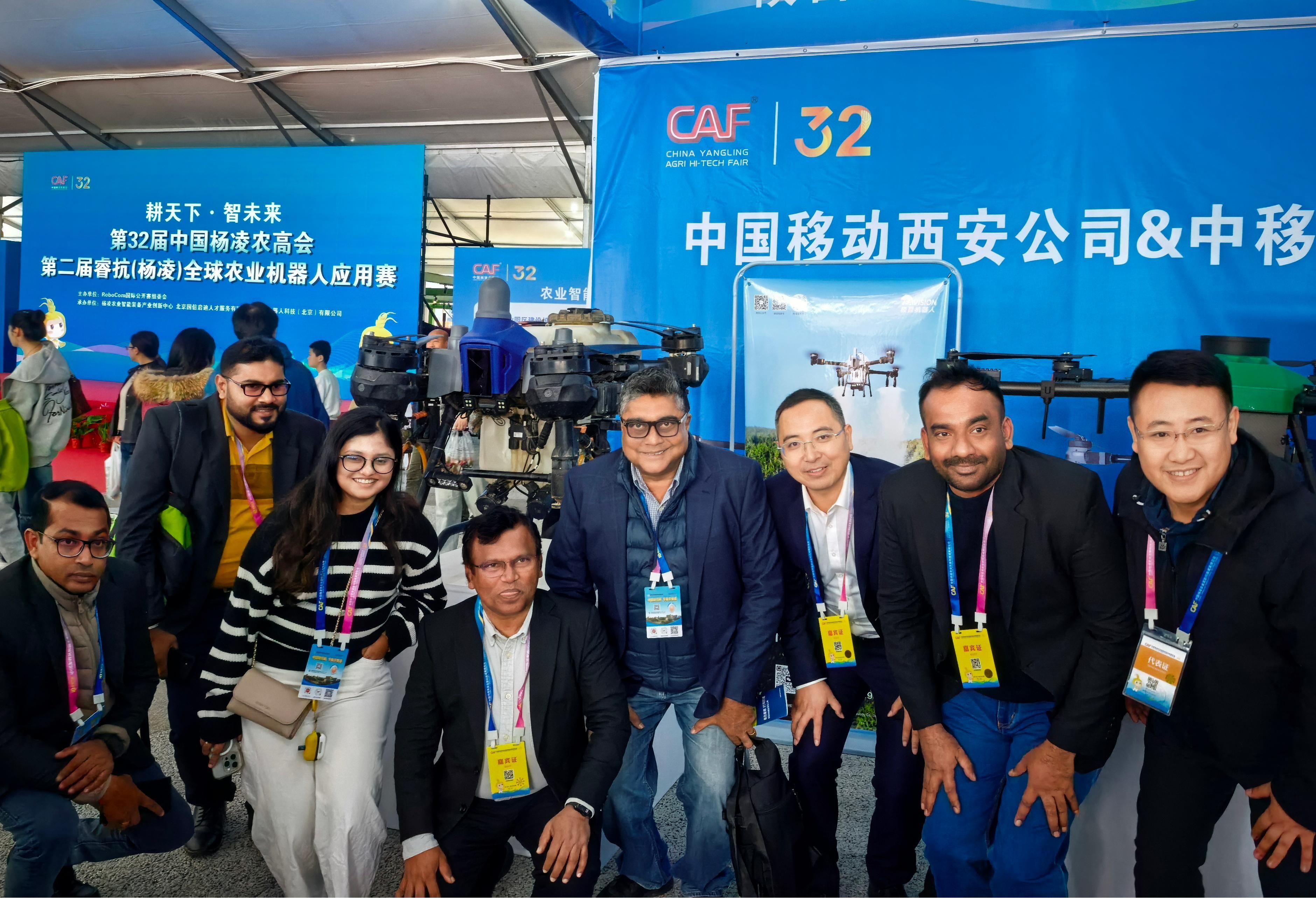
Agricultural Drone Training: What Operators Need Before Their First Commercial Job


Agricultural drone training isn't just a checkbox. It's the difference between a profitable spray operation and a grounded one. Whether you're running a custom application business in Texas or setting up a fleet to service citrus groves in Brazil, the regulations will find you. And they're not as simple as passing one test.
We've worked with dealers and operators across dozens of countries. Here's what we've learned about getting licensed, staying legal, and actually being ready for the field.
Why Training Comes Before the Drone
Look, buying a spray drone is the exciting part. But here's the thing: operating without certification can result in fines, legal issues, and loss of insurance coverage. We've seen operators invest in high-end equipment only to sit idle for months because they hadn't started the licensing paperwork.
In our experience exporting to the U.S. market, certification is just the beginning. Operators need ongoing technical support to maintain compliance and maximize fleet performance. That applies globally too. The sooner you treat drone spraying operator certification as a business cost (not an afterthought), the faster your operation goes live.
Step 1: Get Your Remote Pilot Certificate
In the United States, buyers must obtain an FAA Part 107 Remote Pilot Certificate for basic commercial use. This is the entry point. No exceptions. Even spraying your own crops on your own land is viewed as "commercial activity" by the FAA.
The good news? It's not that hard. The test itself costs approximately $175. Most candidates study for two to four weeks before taking the exam. It covers airspace rules, weather patterns, and emergency procedures. You must be at least 17 years old and complete recurrent training every 24 months to maintain certification.
Pretty manageable for the foundation of a real business.
Step 2: The Part 137 — This Is Where It Gets Serious
Part 107 lets you fly. But to spray? Chemical dispensing operations require additional Part 137 Agricultural Aircraft Operator Certification. This is the same license used by traditional crop dusters and helicopter pilots for aerial application.
And it takes time. Securing Part 137 certification can take anywhere from 6 to 12 months, which is much longer than Part 107. Operators must submit detailed documentation, including risk assessments, safety protocols, emergency plans, and proof of insurance.
If your drone weighs more than 55 pounds (and most commercial spray drones do when loaded), you'll also need Section 44807 exemptions. The Section 44807 exemption process can take several months. We always tell our customers: start this paperwork well before your drone ships.
Related article: FAA Regulations for Agricultural Drone Spraying: Part 137 Explained
Step 3: State-Level Pesticide Applicator Licenses
Federal certification is only half the equation. Every state requires pesticide applicator licensing for aerial application. Most states mandate two separate certifications: CORE Certification (general knowledge of pesticide safety, laws, and application principles) and an AERIAL Category specific to aerial application methods.
Many states offer these certifications through one-day university programs, so they're quicker to get than federal certs. But you need them before touching a chemical tank.
Regulations Differ by Region—Know Your Market
We work with partners across North America, Latin America, Southeast Asia, Southern Europe, and South Africa. The rules vary wildly.
- Europe follows the European Union Aviation Safety Agency (EASA) regulations, which standardize drone rules across member states.
- In contrast, unlike the United States, Europe, and Canada, Latin American countries do not yet have an overarching regulatory body to create high-level policy guidance. Instead, similar to Africa, each country has its own regulations.
- In South Africa, the South African Civil Aviation Authority (SACAA) is the primary regulator for drones and introduced dedicated drone regulations in July 2015 under Part 101. Crop-spraying drones actually dispense chemicals, and regulations prohibit dispensing substances from the air without approval, so operators must get specific authorization from SACAA.
So don't assume your home-country license transfers. Check with the local aviation authority and the agriculture ministry in every market you plan to operate in.
Equipment-Specific Training: The Part Most People Skip
Certifications prove you understand regulations. But flying an agricultural drone in a hilly orchard is a different skill than passing a multiple-choice test. Every drone model has unique characteristics, and generic training rarely prepares operators for real-world conditions.
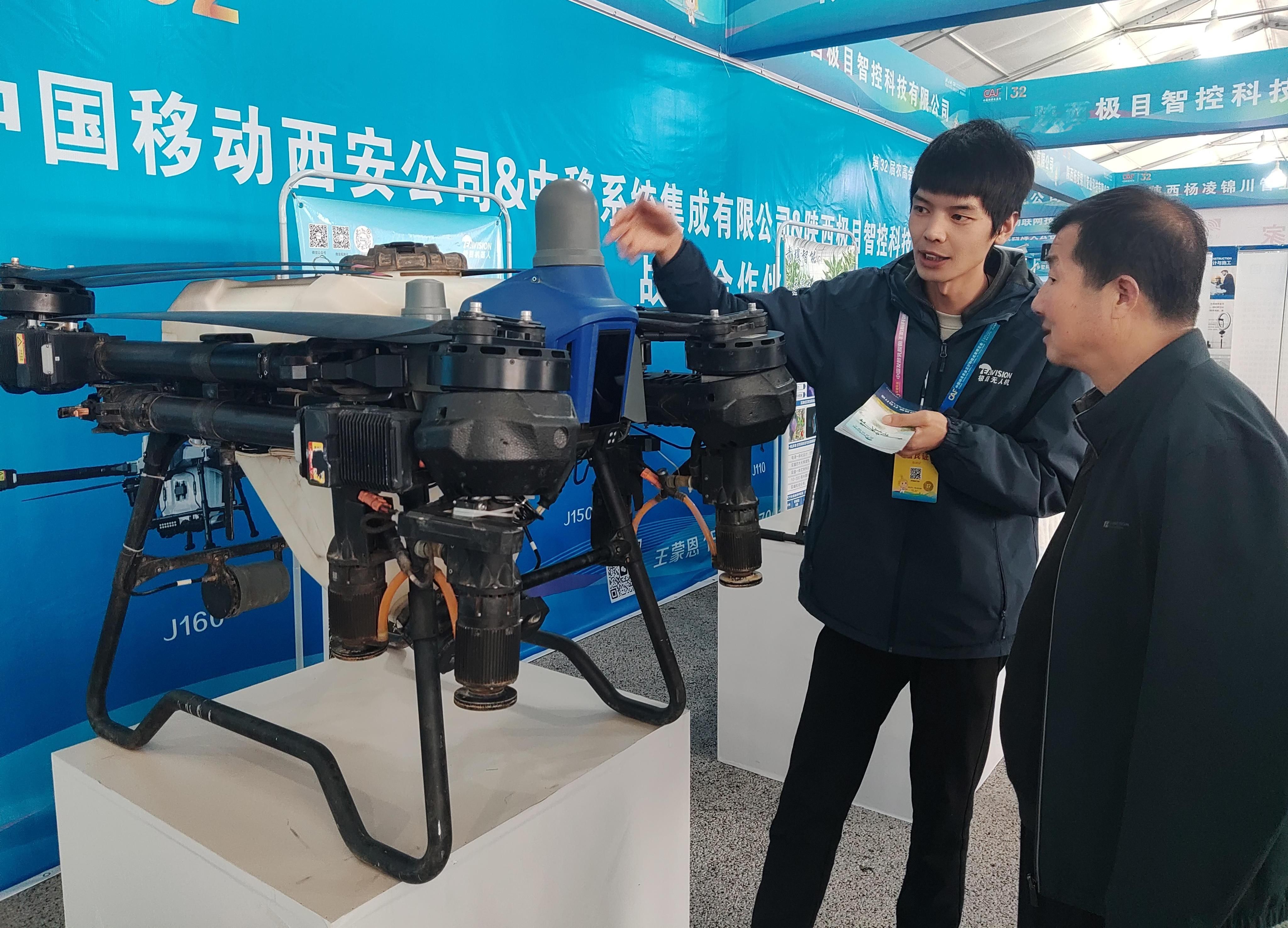
That's why EAVISION provides structured training and ongoing technical support for operators. Through programs such as EAVISION Academy, users receive guidance from initial setup to real-world field operations, helping them build confidence and operate safely from day one.
Hands-on time with your actual aircraft separates a licensed operator from a confident one. It includes terrain-following modes, nozzle calibration, and emergency procedures.
Key Takeaways
|
What You Need |
Where It Applies |
Timeline |
|
Remote Pilot Certificate (Part 107) |
U.S. — All commercial drone ops |
2–4 weeks study + exam |
|
Part 137 / AAOC |
U.S. — Spraying operations |
6–12 months |
|
Section 44807 Exemption |
U.S. — Drones over 55 lbs |
Several months |
|
State Pesticide Applicator License |
U.S. — Each state separately |
Varies (often 1-day programs) |
|
SACAA Part 101 Approval |
South Africa |
Varies |
|
EASA Certification |
EU Member States |
Varies by category |
|
Equipment-Specific Training |
Global — All operators |
Ongoing |
Start the licensing process early. Pair it with real equipment training. And if you're building a spray operation in multiple regions, budget time for each country's regulatory requirements.
FAQs
Do I need a license to fly an agricultural drone on my own farm?
In the U.S., yes. Even spraying your own crops on your own land is considered "commercial activity" by the FAA. You'll need at least a Part 107 certificate, and a Part 137 if you're dispensing any chemicals. Rules differ in other countries, but most classify farm spraying as commercial.
How long does it take to get fully licensed for drone spraying in the U.S.?
Plan for 6–12 months total. The Part 107 Remote Pilot Certificate takes about 8–15 hours of study plus a $175 test. But the Part 137 process can take 6 to 12 months, and the 44807 exemption adds more time if your drone weighs over 55 lbs.
Can I use my U.S. drone pilot license in other countries?
No. Different countries have varying rules regarding drone flight permissions, pilot certifications, and data management. You'll need to meet each country's local aviation authority requirements. In South Africa, for example, drone law includes mandatory registration and licensing for commercial operations, with strict operational limits.
Does EAVISION offer operator training?
Yes. EAVISION has provided drone pilot training for veterans in multiple regions and runs equipment-specific programs through our learning platform and university partnerships. We recommend all operators complete model-specific training before their first commercial job.