Agricultural Drones in Australia: Why It's a Huge Opportunity


Australia is sitting on one of the fastest-growing agricultural drone markets in the world, and most people outside the country haven't caught on yet. With 426 million hectares of farmland, a workforce that's shrinking by the year, and a government actively backing precision ag technology, the conditions for agricultural drones in Australia are about as good as it gets. Whether you're a dealer, a drone operator, or a grower exploring automation, this market deserves your attention.
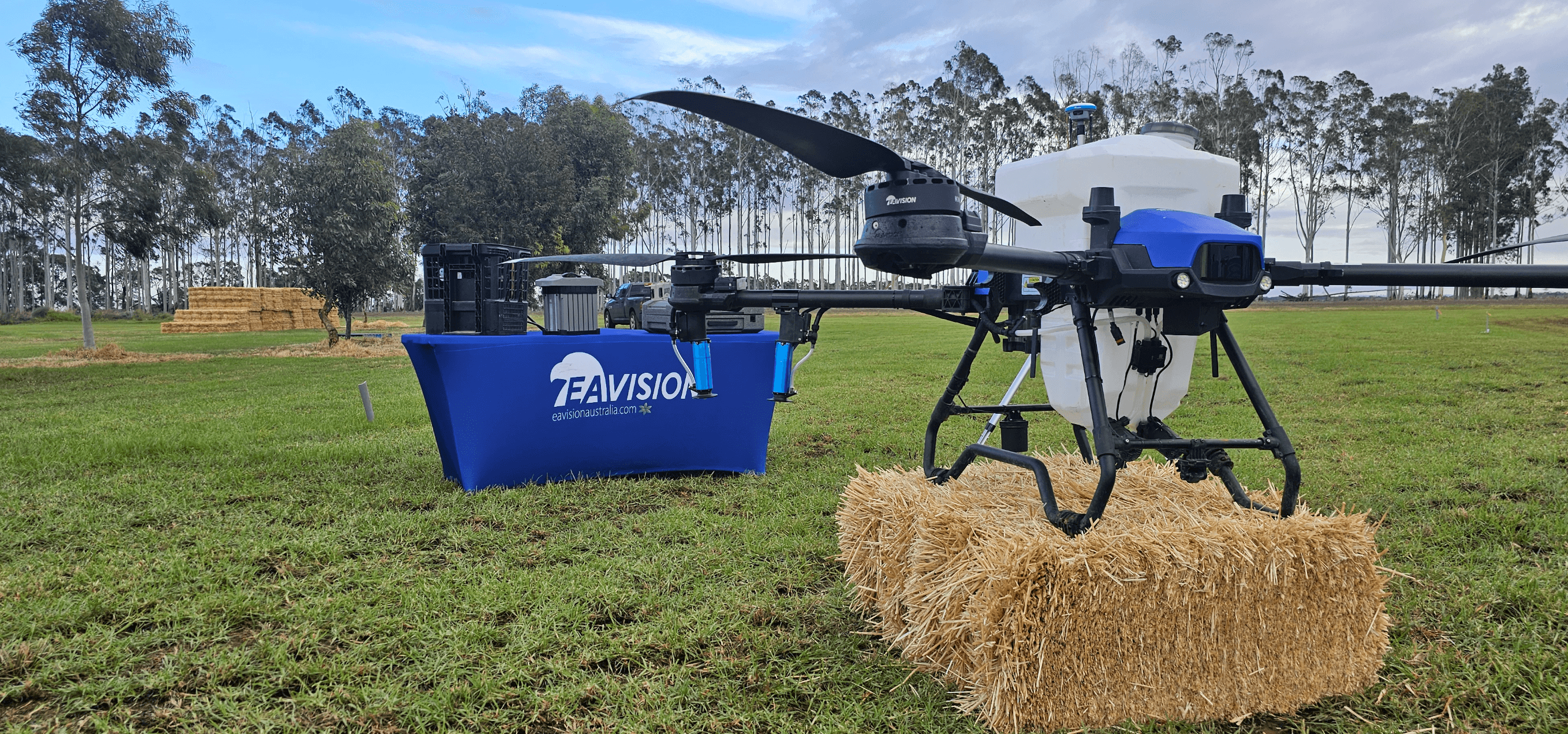
Why Australian Farms Need Drones More Than Ever
Here's the thing about Australian agriculture: the land is massive, but the people working it are few. The sector employs roughly 255,500 workers, less than 2% of the national workforce, and that number keeps dropping relative to the amount of land under management. The median age of an Australian farmer? 57 years old.
More than 40% of farms report difficulty finding workers, especially during peak seasons. And with unemployment sitting at just 4.6% nationally, there's no surplus labor pool to tap into. That leaves a gap, and ag drones are filling it. Not perfectly, but in ways that actually move the needle. A single drone operator can spray 20+ hectares per hour. Try matching that with a crew of manual sprayers on a 1,000-hectare wheat property in Queensland.
This isn't just about saving time. It's about keeping farms operational when there literally aren't enough hands to do the work.
How Big Is the Australian Ag Drone Market?
IMARC Group estimates that Australia’s agricultural drone market was worth US$69.3 million in 2025 and forecasts it could reach US$578.4 million by 2034. These are commercial research estimates covering agricultural drone hardware and software.
Queensland alone accounts for 26.8% of the nation's drone market, driven by its massive agricultural output in sugarcane, cotton, and grain. But adoption is picking up in Victoria, South Australia, and Tasmania too, especially around vineyards, orchards, and high-value vegetable operations.
|
Metric |
Value |
|
Market size (2025) |
USD $69.3M |
|
Projected market size (2034) |
USD $578.4M |
|
CAGR (2026–2034) |
25.79% |
|
Land used for agriculture |
439 million hectares |
|
Ag workforce |
~245,900 |
Where Drones Pay Off Fastest on Australian Farms
Broadacre grain farms get most of the headlines, but the strongest pull for precision spraying drones is actually coming from specialty and high-value crops. Think citrus orchards in South Australia, wine grapes across the Barossa Valley, apple farms in Tasmania, and avocado groves in Queensland.
These crops need targeted pest control, careful canopy coverage, and variable-rate application. That's exactly the kind of work drones do better than ground rigs or manned aircraft. Spraying hilly vineyard rows with a traditional boom sprayer? Not great. But flying a drone that follows the canopy contour and adjusts droplet size from 10 to 300μm in real time? That's a different story.
And because these crops fetch higher per-hectare returns, growers can justify the investment faster. Some Australian operators report payback periods of 3 to 9 months on their drone setup, especially when factoring in reduced chemical use (up to 30%) and labor savings.
What CASA Regulations Mean for the Market
Australia's Civil Aviation Safety Authority (CASA) governs all drone operations. For agricultural spraying, operators typically need a Remote Pilot Licence (RePL), registration, and a Remote Operator's Certificate (ReOC). Some states add another layer on top of that.
Sound complicated? It‘s actually not bad once you’re set up. And here‘s the upside: CASA has already moved on BVLOS. Under the TMI 2025-03 framework, eligible ReOC holders can self-assess operational areas within an approved region, instead of applying for approval at every new site. Approval timelines that once took months can now be measured in days. That kind of regulatory direction signals long-term confidence in drone adoption.
For dealers and service providers, this regulatory structure also creates a barrier to entry that protects serious operators from fly-by-night competition. If you're in it for the long haul, that's a good thing.
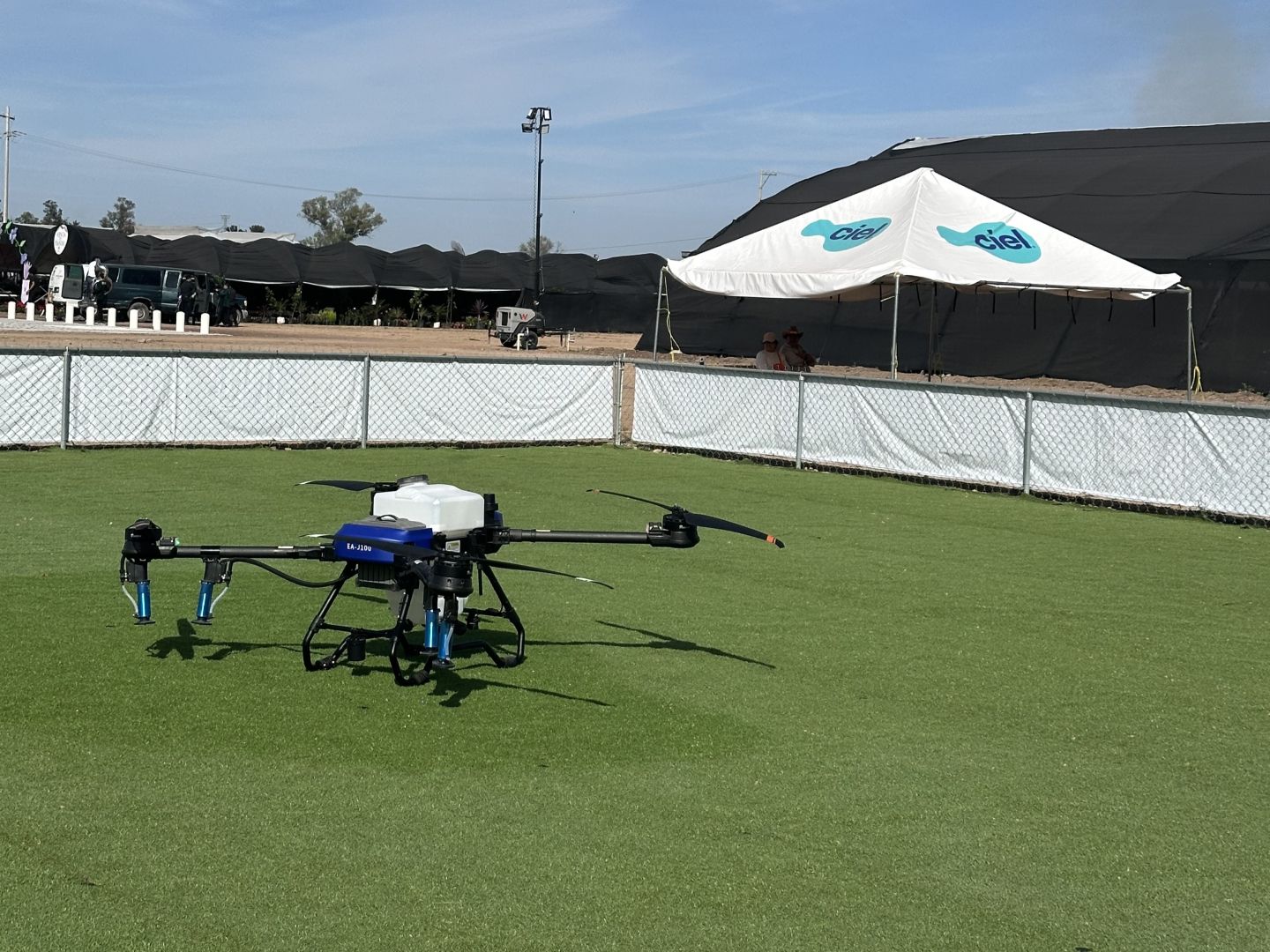
Opportunities for Farmers, Contractors, and Dealers
- For a farmer, ownership may offer scheduling flexibility when suitable work repeats throughout the season. The trade-off is responsibility for training, maintenance, compliance, and keeping the system productive between jobs. A few urgent hectares do not automatically justify a full equipment package.
- For a contractor, the opportunity is reliable application rather than flight time alone. Define the crops and tasks you will serve, the travel radius, minimum charges, and the records customers receive. Build relationships with agronomists who can help define a suitable treatment.
- Dealers have an ongoing role after delivery. Operators need commissioning, parts, practical training, and clear fault support.
If you're a distributor or agri-tech business looking to add a proven ag drone brand to your portfolio, EAVISION is worth a serious look. The company offers structured onboarding, after-sales support, and a product range that covers everything from compact orchard drones to heavy-lift broadacre machines.
FAQs
Are agricultural drones legal in Australia?
Yes. CASA regulates all drone operations, and agricultural spraying is permitted with the right licences. You'll need a Remote Pilot Licence (RePL), drone registration, and typically a Remote Operator's Certificate (ReOC). Some states, like Victoria, require additional chemical-rating licences. Recreational use on your own land has lighter requirements.
What crops benefit most from drone spraying in Australia?
High-value and hard-to-access crops see the biggest returns. These include citrus, wine grapes, apples, avocados, and sugarcane. Broadacre grain crops like wheat, barley, and cotton also benefit, especially on larger properties where labor and timing pressures are intense.
Why are agricultural drones useful in Australia?
They can help with targeted treatment, difficult access, crop monitoring, and time-sensitive fieldwork. Value depends on the task, application quality, operating conditions, and complete job cost.
Can drones replace every farm sprayer?
No, large ground rigs and conventional aircraft remain practical for many broadacre jobs. Drones often work best as complementary equipment for particular blocks, patches, or access problems.
Is Australia a good market for ag drone dealers?
By most measures, yes. The combination of vast farmland, labor shortages, and government support creates strong structural demand. If you're already in the ag-tech distribution space, it's a market worth entering sooner rather than later.