Can Agricultural Drones Help Control Tar Spot in Corn?


Black specks show up on corn leaves after a stretch of rain. The weather has cleared, but the ground is still too soft for a sprayer. A drone can help control tar spot in corn if the field needs fungicide and an aerial crew can get there while there’s still green leaf area to protect.
Two things decide how urgent that job is: what‘s actually on the leaf, and how far up the plant it has moved. Get those two right, and the drone question becomes simpler: can it get the fungicide on in time, and will the coverage hold up where it matters?
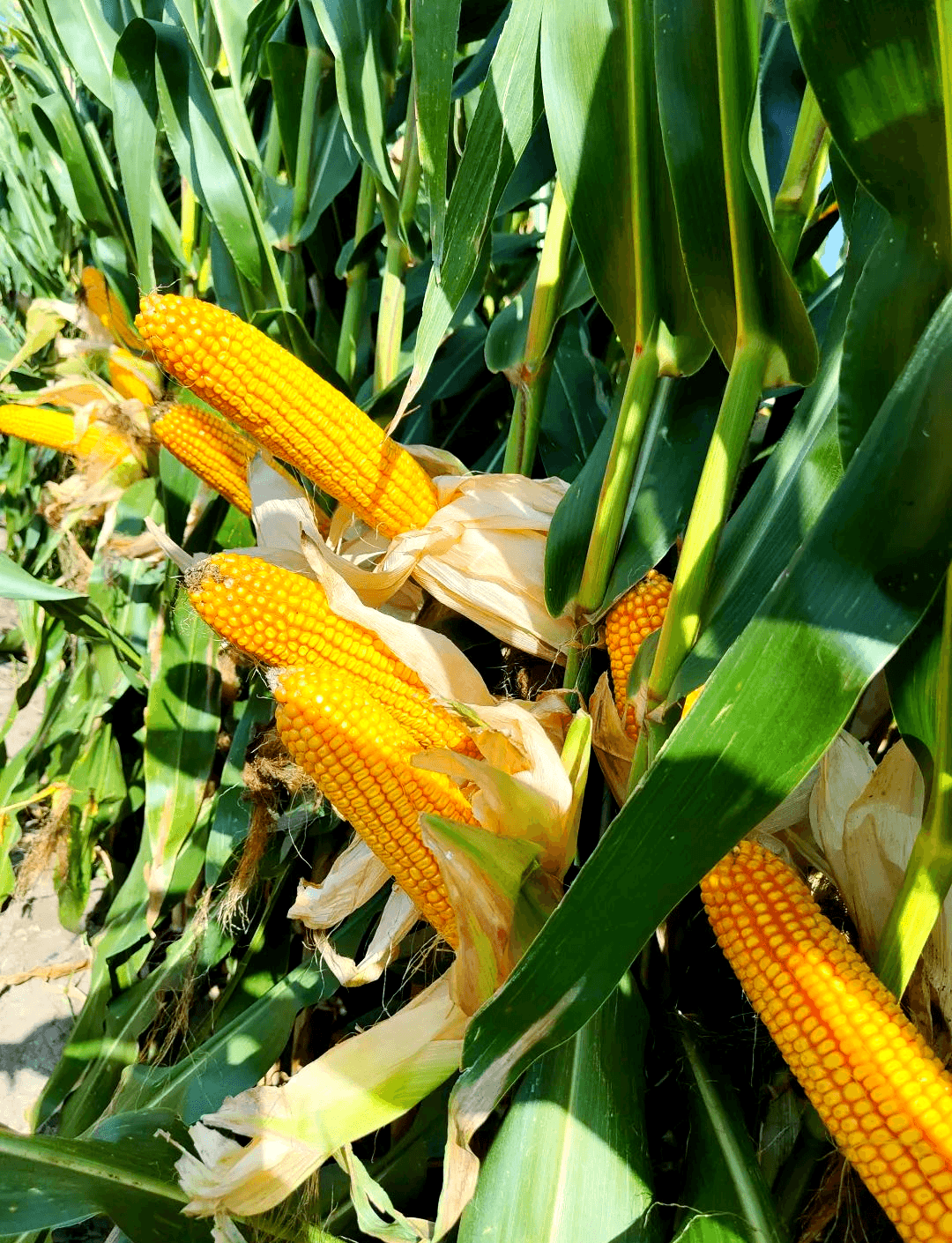
How to Identify Tar Spot
Tar spot looks like little flecks of black paint. The spots feel raised and stay put when you rub the leaf. Dirt and insect droppings often wipe away. You may see a tan ring around some spots, but plenty of infected leaves have black specks without the ring.
The first spots tell you where to look. A second visit to the same plants tells you whether the disease is moving.
- Pick fields to scout first. Start with fields that have had tar spot before and hybrids with weaker tar spot ratings.
- Check how high the spots have climbed. Look at the lower leaves, the ear leaf and the leaves above it in several parts of the field. If spots are moving toward the ear leaf across several areas, call your crop adviser.
- Record what you find. Pin the location so you can check the same plants on your next walk. For a first suspected case, send your Extension office a close-up and ask whether to submit a leaf sample.
Drone Trials for Corn Tar Spot
A spray drone can deliver fungicide that slows tar spot. A ground rig can do the same job when the soil can carry it. If the ground rig is stuck waiting, the drone can launch from a firm spot at the field edge and get the pass done sooner.
In Purdue’s 2023 drone trials, fungicide reduced tar spot at the Pinney Agricultural Center compared with untreated corn. Researchers found no clear difference in disease suppression among application methods or in grain yield among treatments. At the Davis site, results varied even among drone treatments. That’s why it’s worth asking how the crew will check spray coverage on your crop before you book.
When to Spray for Tar Spot
If you’re planning one fungicide pass, the Crop Protection Network points to tasseling through the milk stage, or VT to R3, as the most consistent window. Corn is still using green leaves to fill grain then, so protecting those leaves can help preserve yield.
Use that window to plan when you scout. A susceptible hybrid with spots spreading toward the ear leaf and more wet weather ahead is a stronger candidate for treatment. If you find the first specks close to maturity, ask your adviser how much grain fill is left. The less time the crop has left, the less opportunity a spray has to pay back.
|
What You Find |
What to Do Next |
|
A few spots below the ear leaf |
Mark where you found them and check the same plants again. |
|
Spots moving up during VT to R3 |
Review the hybrid and forecast with your adviser. Get a spray quote if a pass is warranted. |
|
Corn nearing maturity |
Check how much grain fill remains before paying for a late pass. |
Spray Drones vs. Ground Sprayers for Corn Tar Spot
Once you’ve decided the field needs a pass, compare finish times. A drone can make sense if it can complete the job before the ground rig can get in, or if the block is too small to book a plane. On firm ground, ask both crews when they can start and when they’ll finish the acreage you want treated.
Once you know who can make the window, get a total that includes product and travel. Ask about a minimum visit charge, especially for a small block. Divide that total by the acres the crew can treat to get a per-acre price you can compare across quotes.
Use that price to work out what the pass has to save. At $24 an acre for product and application and $4 a bushel for corn, you’d need to protect 6 bushels per acre to break even. Run the same math with your own quote and expected cash price, then weigh that number against the disease pressure and crop stage.
Related article: Drone Spraying vs Ground Spraying: Which Is Better?
What to Ask a Drone Operator
Give the operator your field boundary, crop stage and a note on where the disease is moving up the plants. Then use those details to agree on how the crew will cover the field.
- Confirm what the label allows. Check that it permits the planned aerial use on corn, then review the minimum carrier volume and drift restrictions together.
- Check coverage at the ear leaf. Ask for a water-only pass with water-sensitive cards at the target height and across the spray path. That way you can see where droplets land and where they leave gaps. See our drone droplet size guide.
- Work out when the crew can finish. Ask how often they’ll refill or swap batteries and when they’d call off the job for wind or rain.
After treatment, note when the crew sprayed and return to your marked scouting spots once the label allows re-entry. Take another photo of the ear leaf and look for new spots on green tissue. Comparing photos from the same plants gives you a better read on whether the disease is still moving and which fields to scout first next season.
If you want to compare how different machines handle tar spot coverage, take a look at our agricultural drone range. And if you need help matching a drone to your tar spot window, contact us.
FAQs
Does Tar Spot Rub Off Corn Leaves?
The raised black specks stay on the leaf when you rub it. Dirt or insect droppings often come off, so the rub test is a quick way to decide if a leaf needs a closer look.
Can a Drone Scout Tar Spot?
A scouting flight can flag areas of stressed corn for you to walk. Check the leaves up close to confirm tar spot before making a spray decision.
Can Hybrid Choice Lower Tar Spot Risk?
Yes. Ask your seed dealer for tar spot ratings and compare them with local variety trial results before you order. A less susceptible hybrid gives you a head start in fields where tar spot has been a regular problem.
Is a Second Fungicide Pass Worth It?
Consider a second pass if the first went on early, tar spot is still moving up the plant, and there’s meaningful grain fill ahead. Check the label’s application interval and seasonal limit before you book.
Does a Drone Always Beat a Plane?
A drone can be a good fit for a small block or a job you need done soon. A plane may cover a large, open block faster, so compare actual crew availability and expected finish times.