Spot Spraying Drone: 5 Signs Targeted Treatment Will Pay Off


Will a spot spraying drone pay off for your farm?
It depends. A spot spraying drone can pay off when weeds are patchy and the avoided chemical cost exceeds the extra field data and application costs. The treatment still needs to control the weeds well enough to protect your crop.
You walk a field and find a few troublesome patches. The rest looks clean. Spraying every acre feels wasteful, but hiring a drone is not automatically cheaper. So before you book a job, check these five things.
What Is a Spot Spraying Drone?
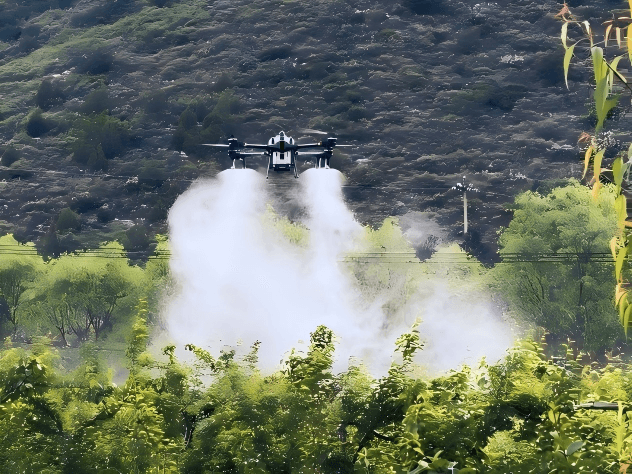
A spot spraying drone applies a treatment to selected areas. In practice, that may mean weed patches or mapped zones, not a separate spray burst for every plant. Variable-rate spraying changes the rate between areas; spot spraying decides which areas receive treatment at all.
When Targeted Treatment Pays Off
Not every field needs spot spraying. Here are five signs that tell you whether it's worth a closer look
1. Your Weeds Grow in Clear Patches
The first good sign is a field with concentrated weed pressure. Perhaps escapes sit along a boundary, around a wet corner, or in a few missed strips. Treating those areas can avoid buying chemical for acres that do not need that particular pass.
Start with the area the drone will actually spray. The weed area on a map is only a starting point. Effective swath width, overlap, and boundary margins can enlarge the treatment footprint. Many scattered tiny patches may require more spraying than one compact patch of the same total size.
Ask the operator to show the final treatment acreage before quoting savings. If most of the field needs treatment, the economic advantage can disappear. A simple broadcast pass may then be the better option.
2. Your Weed Map Is Accurate and Usable
A colorful map is useful only if it points to the right weeds. Walk a few marked patches and some areas marked clean. Check species, weed size, and whether the crop canopy hides smaller weeds. Fresh scouting matters because conditions can change between imaging and spraying.
Next, check whether the operator can execute the plan. Can the controller import the prescription? What is the smallest reliable treatment zone? Does the spray switch on and off at the intended boundaries? Request a water-only demonstration and application records.
Mapping, route planning, and accurate positioning alone do not establish automatic weed recognition. Verify the complete setup, including its software, rather than assuming the drone handles every step.
3. Targeted Treatment Fits Your Weed Program
Spot treatment makes more sense when it addresses a specific problem in an otherwise effective weed program. Think of a timely post-emergence pass on localized escapes. It should not become an excuse to ignore weeds outside the mapped patches.
Talk with your agronomist about where coverage is needed. A soil-residual program may require broader treatment. Contact herbicides can also demand coverage that a low-volume setup cannot automatically provide. Keep the required product dose on each treated acre; reducing sprayed acreage is different from reducing the dose.
Penn State's drone herbicide guidance stresses checking aerial-use permission, carrier volume, and application requirements. Confirm the current label and local operator rules. Match the flight to suitable weather and sensitive boundaries. A smaller treated area does not eliminate drift risk.
4. A Drone Solves a Costly Access Problem
Sometimes access is the main reason to consider a drone. A wet patch, awkward corner, or short treatment window can make a ground pass difficult. A drone may reach the target without driving through the crop, provided conditions allow a safe, compliant flight.
Put a value on that advantage carefully. Compare available service dates, travel charges, setup time, and the likely cost of waiting. Avoid turning a possible benefit into a guaranteed yield increase. If you cannot measure it, keep it separate from the basic chemical-saving calculation.
5. The Complete Job Cost Is Lower
Here is where the idea becomes a farm decision. Compare two complete jobs that aim for comparable weed control. Kansas State's 2026 targeted-treatment scenarios show how savings shrink as the weedy share increases. They also note that software, drones, and sensors were excluded from their calculation.
For your quote, include those costs where applicable. Check whether application is charged per treated acre or per field acre. Our drone spraying cost per acre guide helps you ask about minimum charges and extras.
If you own the equipment, include depreciation, insurance, maintenance, batteries, and software in your annual budget. Spread those expenses across realistic billable work, not the acreage you hope to cover. Repeated patch-treatment jobs may help share fixed costs, but every visit still takes time. If you hire a contractor, a minimum fee can make a small patch expensive. Ask for the full field total as well as the per-acre rate so you can compare like with like.
Consider this hypothetical 100-acre field. Broadcast chemical costs $20 per acre and ground application costs $8 per acre. Targeted treatment covers 30 acres, including the planned spray margins. Drone application costs $18 per treated acre. Mapping costs $200, mobilization $200, and follow-up scouting $100.
|
Cost item |
Broadcast job |
Targeted drone job |
|
Chemical |
$2,000 |
$600 |
|
Application |
$800 |
$540 |
|
Mapping, mobilization, and follow-up |
Included in baseline |
$500 |
|
Total for 100-acre field |
$2,800 |
$1,640 |
That leaves a possible saving of $1,160, or $11.60 per original field acre. These are illustrative inputs, not market rates. The example assumes no extra minimum fee and that the baseline includes routine job expenses. A repeat treatment could reduce or erase the saving.
Test One Field Before Expanding
Start with one field and agree on what success means. Keep the treatment map, actual sprayed acreage, chemical use, and complete invoice. Revisit marked scouting points at an appropriate interval for the product and target.
Check untreated zones for missed weeds, too. Record any cleanup pass and its cost. Lower chemical use is helpful only if acceptable control lasts. Use that result to decide whether the next field is worth targeting.
Plan Your Targeted Spraying Demo
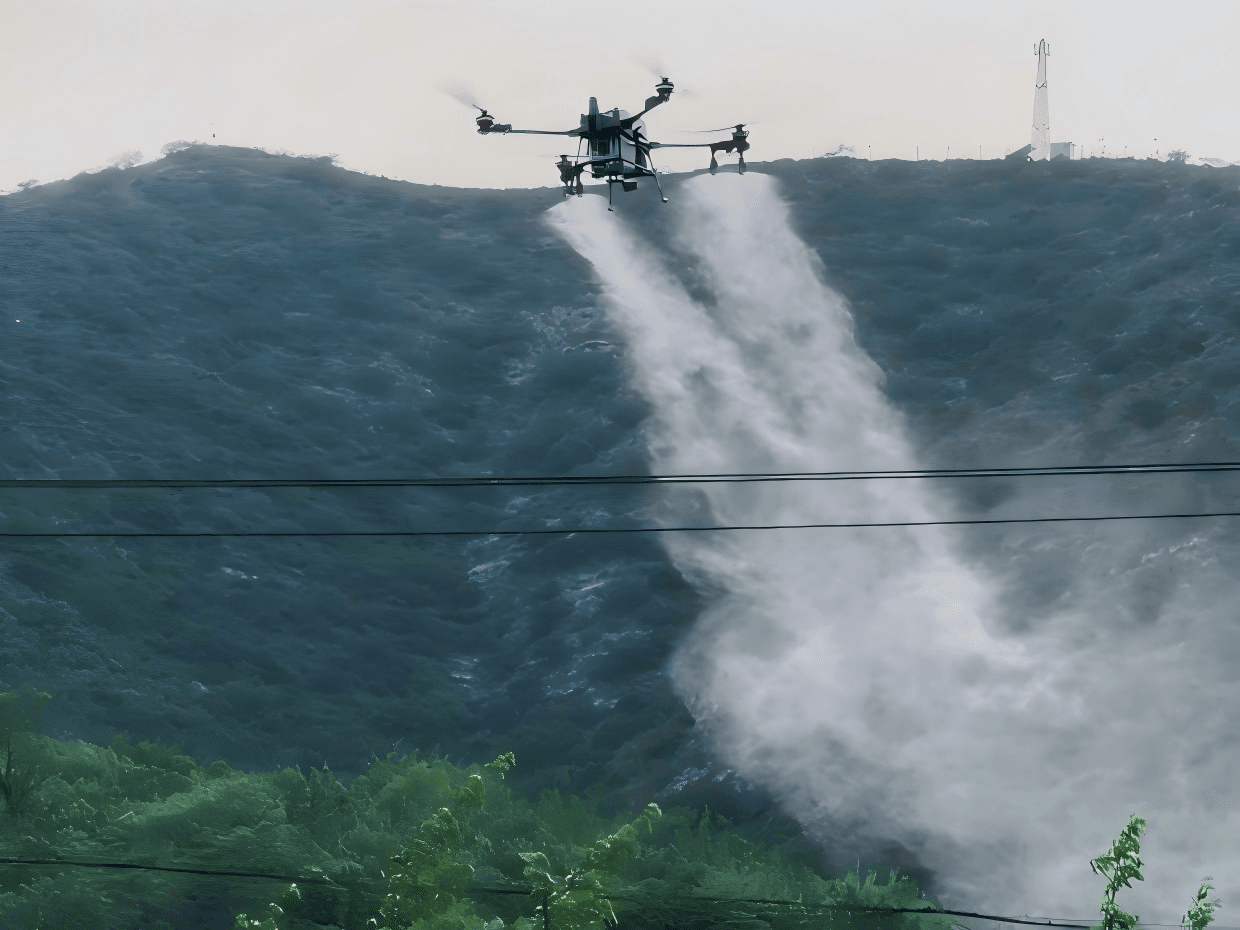
Bring your scouting map, crop details, and current spraying costs to an EAVISION spraying solution discussion. Ask for a field demonstration and a complete quote before committing.
Planning a local service business? Explore the EAVISION dealer application and discuss training and support. Start with a treatment plan you can verify and a saving you can explain.
FAQ
What does a spot spraying drone do?
It treats selected patches instead of spraying the entire field. Depending on the system, those patches come from scouting records, a prescription map, or verified sensing technology.
Does spot spraying reduce the herbicide rate?
It usually reduces the total area treated, not the required dose on each treated acre. Follow the product label for rate, carrier volume, crop use, and aerial application.
Can every spray drone target individual weeds?
No, patch spraying and individual-weed targeting are different capabilities. Ask for a demonstration of the exact drone, controller, and software combination you plan to use.
When is broadcast spraying a better choice?
Broadcast spraying may be more practical when weeds are widespread or the program needs uniform coverage. Compare control quality and total costs with your agronomist before choosing.