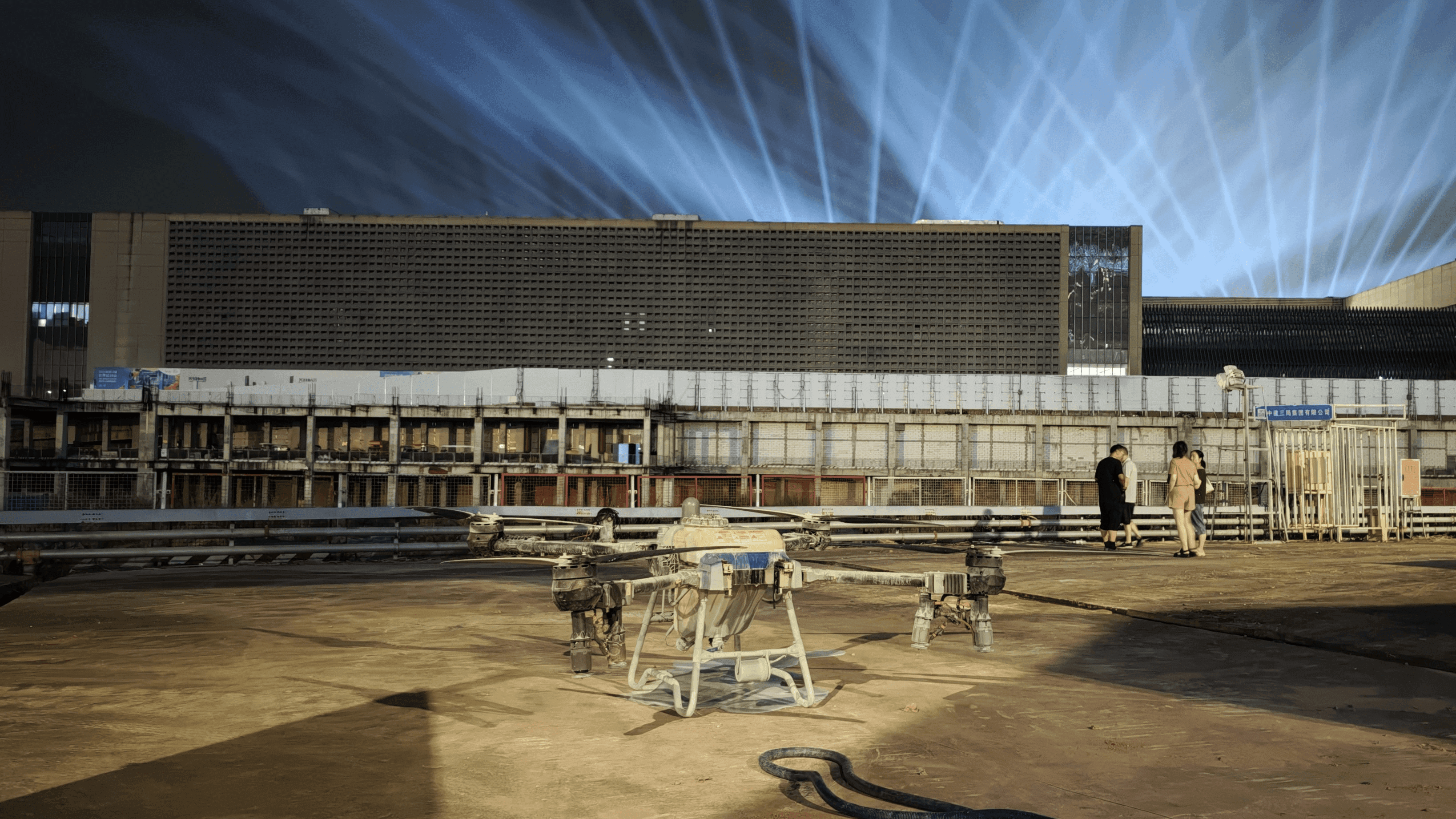
Spray Drone Operating Cost: 9 Expenses Every Operator Ignores


Spray drone operating cost is more than the aircraft price divided by acres. A realistic quote should include batteries, field power, water logistics, calibration wear, maintenance, labor, compliance, software, transport, and the downtime that appears when any one of those items is missing.
We already cover crop spraying drone price, agricultural drone ROI, and total cost of ownership. This article is narrower: what should a working operator track before promising a per-acre or per-hectare spray price?
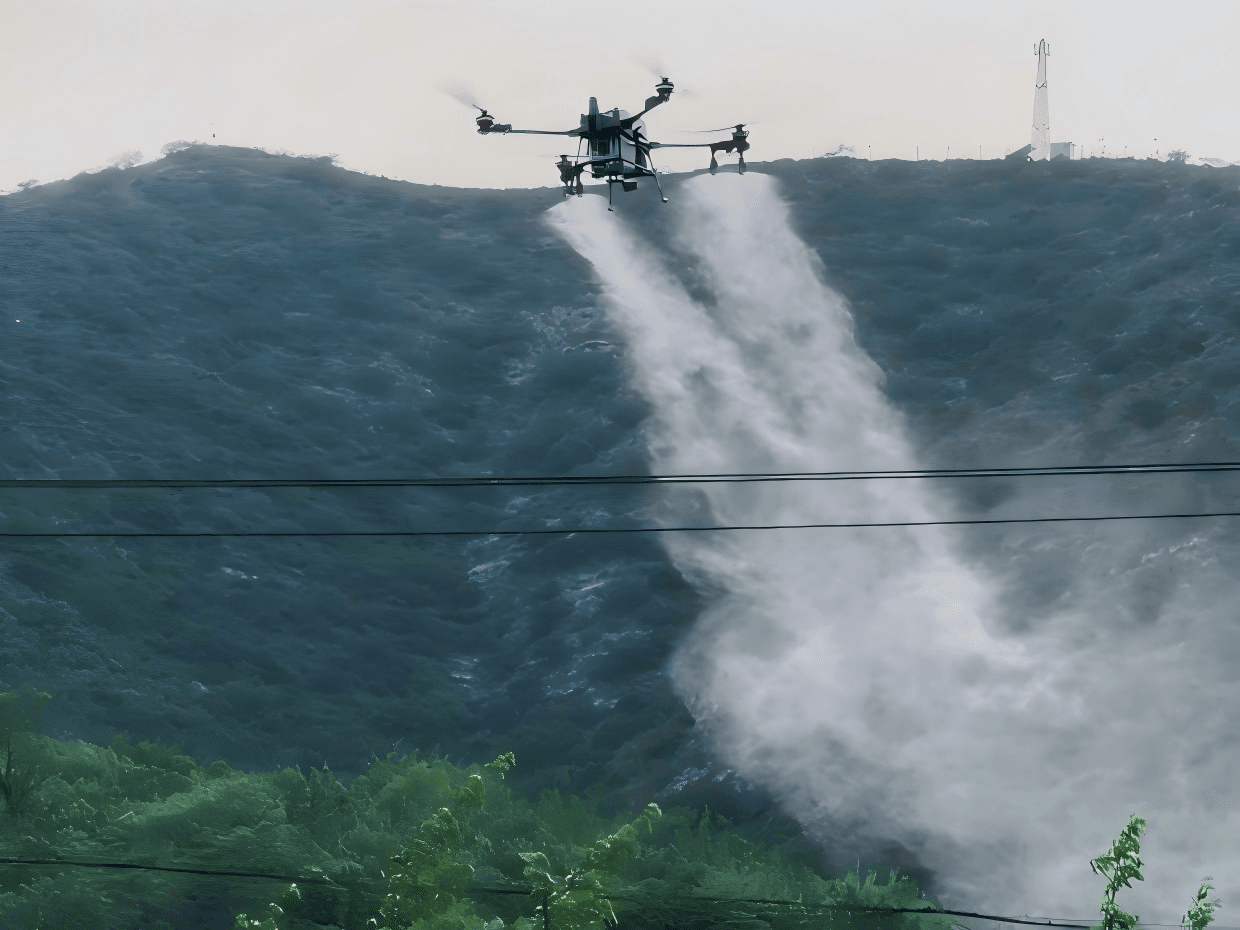
Spray Drone Operating Cost: What Counts Beyond the Purchase Price?
The purchase price is only the opening line. University of Missouri Extension's drone ownership economics show why annual treated acres change the cost picture: spreading fixed costs across more work can lower cost per acre. Inside each spray day, batteries, mixing time, travel, repairs, and crew waiting time decide whether the job is profitable.
|
Ignored expense |
Why it changes operating cost |
What to track |
|
Battery cycles |
Packs age by cycles, heat, load, and storage. |
Cycles, temperature, replacement reserve. |
|
Field power |
Fast charging needs the right charger and generator setup. |
Fuel, charger time, backup plan. |
|
Refill logistics |
Slow water and mixing can erase flight speed gains. |
Refill minutes and mixing time. |
|
Calibration wear |
Nozzles, atomizers, pumps, and hoses drift from target output. |
Flow tests, swath checks, spares. |
|
Downtime |
One missing part can stop an entire spray window. |
Lost hours, delayed acres, parts. |
1. Battery Replacement Cost in a Spray Drone Operating Budget
Batteries are a consumable asset, not a one-time accessory. A crew may need multiple packs to keep one aircraft flying while other packs cool or charge. Heat, heavy payloads, steep terrain, and aggressive settings can shorten useful life, so assign a replacement reserve to every treated acre.
EAVISION's J150 agricultural drone uses a 45Ah battery for high-capacity spraying and spreading work. That capacity is useful only when the operator logs pack ID, charge count, heating, voltage behavior, and retirement date.
2. Charger, Generator, and Field Power Costs
Many operators price the drone and forget the power system. EAVISION lists a cooling charger for the J150 with dual ports and a 12,400W charging system, plus a generator recommendation for field charging. Generator fuel, maintenance, cables, safe staging space, and backup power all affect job speed.
3. Water, Mixing, and Refill Logistics
Operating cost often rises at the nurse tank, not in the air. A drone team needs clean water, measured chemical, transfer pumps, filters, PPE, rinse water, spill control, and a way to prepare the next tank before the aircraft lands.
A small block near a yard may need only a compact water setup. A remote orchard, terrace farm, or multi-field service route may need a trailer, water tank, and mixing station. Price those minutes before promising a low per-acre rate.
4. Calibration, Nozzle, and Atomizer Wear
Calibration controls whether the operator applies the target volume at the target swath and droplet size. Purdue Extension recommends checking real output and effective swath width for spray drones rather than relying only on the widest number in a manual.
Nozzles, rotary atomizers, pumps, filters, and hoses can change output over time. Budget for replacement parts and field checks, especially before large acreage, dense canopies, herbicide work, or drift-sensitive jobs.
5. Maintenance, Spare Parts, and Chemical Washdown
A spray drone works in water, fertilizer, dust, heat, and chemical residue. After a busy week, props, motors, seals, tanks, pumps, lines, filters, sensors, landing gear, and connectors need attention. Skipping washdown may make one job look cheap while pushing repair cost into the next job.
Build the parts box around the work you do. Orchard crews may need different spares than broadacre herbicide crews. The expensive part is often the lost spray window when the component is not on the truck.
6. Training, Licensing, Insurance, and Compliance
Rules vary by country, state, crop, chemical label, aircraft weight, and commercial status. Operators may need pilot training, pesticide applicator credentials, aerial application approval, Remote ID or similar compliance, records, and insurance. Do not hide that inside "labor" without a line item.
7. Labor Cost for a Real Spray Drone Crew
One pilot can sometimes run a simple job, but many commercial applications need more people. Common roles include pilot, visual observer, mixer, loader, driver, and spotter near obstacles. The crew also spends paid time on travel, setup, field checks, cleanup, and reporting.
When comparing drone spraying with ground equipment or manual spraying, price the whole crew day. Drone productivity can still be strong on slopes, wet ground, tall crops, and fragmented blocks, but labor math must include the minutes before and after flight.
8. Software, Field Data, RTK, and Job Records
Software costs can be small per job and still matter across a season. Boundary data collection, prescription files, RTK correction, fleet management, route planning, job logs, and customer reports require time or subscription budget. For repeat customers, those records improve quoting with real acres, refill counts, settings, and stoppages.
9. Transport, Trailer, Storage, and Downtime
The drone has to reach the field with batteries, charger, generator, water, chemical, PPE, tools, spare parts, fire safety items, and paperwork. That means fuel, vehicle wear, trailer setup, storage, cleaning space, and weather delays. For service providers, route planning can make or break profit.
Downtime is the quiet cost. If a crew loses two hours to a blocked road, missing adapter, flat tire, rain delay, or repair, the cost belongs in the business model.
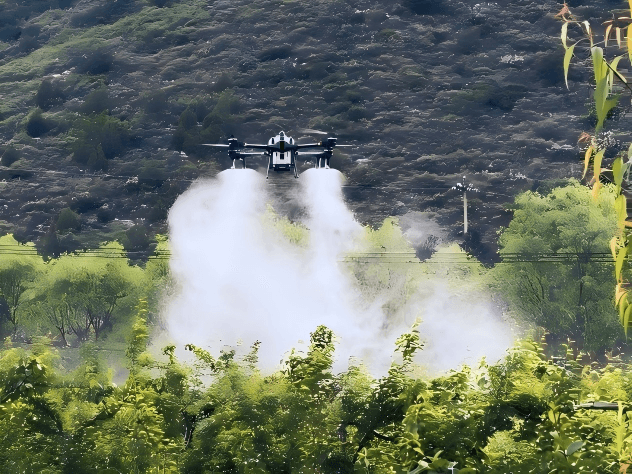
Spray Drone Operating Cost Calculator: A Simple Formula
The easiest way to control operating cost is to build the quote from real field records. Start with annual ownership cost, add variable job cost, then divide by treated acres. Update the number after each season instead of using a purchase-date guess.
Formula for Cost per Treated Acre
Cost per treated acre = annual fixed costs / annual treated acres + variable cost per acre + risk reserve. Fixed costs may include financing, depreciation, insurance, training, software, storage, and support. Variable costs include batteries, fuel, labor, water logistics, parts, travel, and cleanup.
What to Track After Every Spray Job
- Treated acres or hectares, not just flight time.
- Battery cycles, charge time, generator fuel, and refill minutes.
- Crew hours from loading to cleanup.
- Parts replaced, calibration results, and downtime reason.
- Weather notes, application settings, and customer callbacks.
How to Use the 9 Expenses in a Customer Quote
Turn the list into a quote template. Separate aircraft ownership, crew labor, consumables, travel, compliance, and risk reserve. Then adjust for crop type, terrain, water access, spray volume, and weather sensitivity.
If you are comparing equipment or planning a spray service business, use the 9 expenses to ask demo questions about terrain handling, battery rotation, parts supply, and peak-season support.
Spray Drone Operating Cost FAQ
What is the biggest hidden spray drone operating cost?
Batteries and downtime are often the biggest surprises. Batteries need replacement planning, while downtime can erase profit if the crew lacks parts, power, water, or a backup plan.
Is spray drone operating cost lower than manual spraying?
It can be lower on repeated, hard-to-access, or labor-heavy jobs. Manual spraying may still cost less for tiny spot treatments, one-off garden work, or applications that need very high water volume.
How do operators calculate spray drone cost per acre?
Add annual fixed costs, variable field costs, crew labor, travel, and a risk reserve. Divide by realistic treated acres, then update the number with real job records.
Should a small farm buy a spray drone or hire a service?
Small farms often start with a service provider because the operator spreads equipment, training, batteries, and compliance costs across more acres. Buying makes more sense when annual use is high enough.
Do compliance costs belong in the operating budget?
Yes. Training, pesticide credentials, aerial application approvals, insurance, records, and product-label checks all protect the operator and customer. They should be visible in the business model.