Agricultural Drone Total Cost of Ownership: What Buyers Forget to Budget


The first number most buyers ask for is the crop spraying drone price. That is understandable. The drone, controller, tank, batteries, charger, and accessories are the obvious costs.
But the purchase price is only the starting point.
The real question is: what will this agricultural drone cost to own, operate, maintain, and support over the next three to five seasons?
That is the total cost of ownership, or TCO.
For farm owners, cooperatives, custom applicators, and procurement teams, TCO matters because it changes the buying decision. A drone with a lower upfront quote may become more expensive if it needs more batteries, more downtime, slower charging, weak parts support, or extra training. A more complete package may cost more at the beginning but reduce operating risk and field delays over time.
This guide explains what buyers often forget to budget before purchasing an agricultural drone.
What Is Agricultural Drone Total Cost of Ownership?
Agricultural drone total cost of ownership is the full cost of buying and running a drone across its useful life.
It includes:
- Drone and controller
- Spray tank or spreading module
- Batteries and chargers
- Generator or field power setup
- Training and licensing
- Insurance and compliance costs
- Spare parts and consumables
- Maintenance and repairs
- Software, maps, and data tools
- Transport and storage
- Downtime, lost spray windows, and service delays
- Depreciation and resale value
A simple TCO formula looks like this:
Agricultural drone TCO = Upfront purchase package + operating setup + training and compliance + annual maintenance + battery replacement + parts and consumables + downtime cost - resale value
Most buyers compare only the first line. Experienced operators compare the full formula.
Why Purchase Price Alone Can Be Misleading
Two agricultural drones can have similar tank capacity but very different ownership economics.
For example, a buyer may compare two 70 L class spray drones and assume the lower quote is the better deal. But that quote may not include enough batteries for continuous work, a fast charger, a field generator, replacement nozzles, parts availability, or model-specific operator training.
Another buyer may choose the largest tank available, only to discover that transport, charging, compliance, and maintenance are harder than expected.
That is why a better buying question is:
What does it cost to complete one acre, one day, and one season of spraying reliably?
The answer depends on the drone package, the crop, the local service network, and the operator's workflow.
1. The Drone Package: What Is Actually Included?
The base drone is only one part of the purchase.
Before comparing quotes, ask every supplier to list exactly what is included:
- Aircraft body
- Controller
- Spray tank
- Pump system
- Nozzles
- Spreading module, if needed
- Lifting kit, if needed
- Batteries
- Charger
- Generator compatibility
- RTK or mapping accessories
- Spare parts kit
- Training package
- Warranty and service terms
This prevents a common problem: one supplier quotes the aircraft, while another quotes a ready-to-work package. The second quote may look higher but could be more complete.
For example, EAVISION's J150 is positioned as an all-scenario platform for spraying, spreading, lifting, and mapping. Its official specifications list a 70 L spray tank, 40 L/min maximum flow rate, 80 kg maximum spreading payload, and 9-minute charging from 30% to 95%. For some buyers, that broader capability may reduce the need for separate machines or modules.
For smaller or solo operations, the EAVISION J70 uses a 35 L spray tank, 24 L/min maximum flow rate, up to 10 m maximum spray width, and supports spraying, spreading, lifting, and mapping. A smaller platform may reduce transport and labor complexity when the buyer does not need the largest capacity.
The right package is not always the biggest one. It is the one that matches the farm size, crop type, terrain, and service plan.
2. Batteries: The Cost Buyers Underestimate
Agricultural drone batteries are not optional accessories. They determine how long the drone can work without standing idle.
When building a TCO budget, include:
- Number of batteries needed for one full workday
- Charging time
- Battery cycle life expectations
- Replacement schedule
- Field charging equipment
- Heat management
- Storage and transport protection
Battery planning is especially important for spray service operators. If one battery is charging while another is flying, downtime can be reduced. If charging is slow or the team has too few batteries, the drone may spend more time waiting than spraying.
EAVISION's J150 product page highlights a 45 Ah battery, fast charging from 30% to 95% in 9 minutes, and two-battery cycling. These details matter because charging workflow affects real field output and, over time, cost per acre.
Before buying, ask:
- How many batteries do I need for my daily acreage target?
- How long does each battery take to recharge under field conditions?
- What replacement cost should I budget after heavy seasonal use?
- Can the charger work with rural power grids or a generator?
- Battery cost is not just a hardware cost. It is a productivity cost.
3. Charger and Field Power Setup
A fast charger is valuable only if your field power setup can support it.
Budget for:
- Charger
- Generator, if field power is unavailable
- Cables and safe power distribution
- Weather protection for charging area
- Fuel, transport, and setup time
- Backup charging plan
In many farm operations, the charging station becomes the center of the workflow. If the charger, generator, and refill station are poorly organized, the drone's theoretical capacity will not translate into real daily output.
This is why procurement teams should evaluate the entire power system, not only the aircraft.
4. Training and Licensing
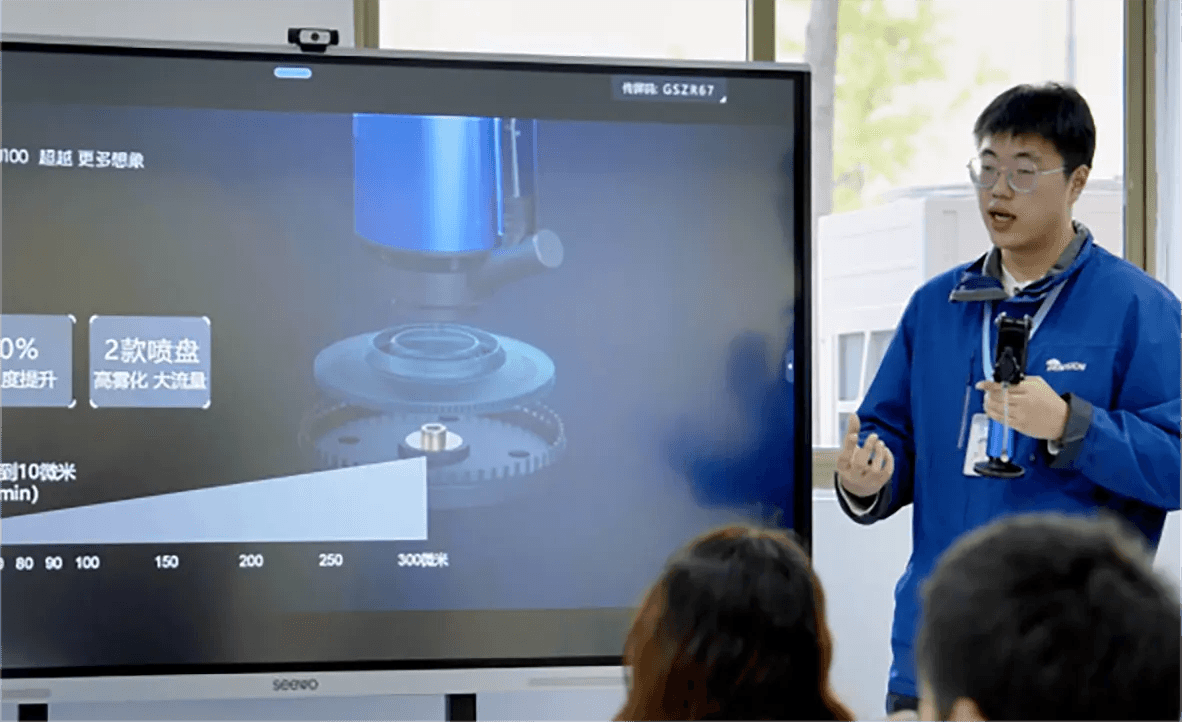
Training is not a small add-on. It protects the aircraft, the crop, the operator, and the buyer's investment.
Budget for:
- Basic flight training
- Model-specific training
- Spray calibration training
- Terrain-following and obstacle-avoidance training
- Chemical handling and pesticide safety
- Local aviation certification
- Agricultural application permits
- Ongoing refresher training for new operators
EAVISION's existing training content notes that certifications differ by region and that equipment-specific training is important because real agricultural spraying is different from generic drone flight. For buyers, that means training should be part of the ownership budget from day one.
A trained operator can reduce:
- Crashes
- Chemical waste
- Poor coverage
- Drift risk
- Nozzle clogging
- Battery misuse
- Rework and customer complaints
Skipping training may lower the first invoice, but it can increase the long-term cost of ownership.
5. Insurance and Compliance
Insurance and compliance costs vary by country, region, crop, aircraft weight, and operation type. Do not treat them as afterthoughts.
Depending on the market, buyers may need to budget for:
- Drone registration
- Pilot certification
- Aerial application approval
- Pesticide applicator licensing
- Liability insurance
- Aircraft hull coverage
- Chemical drift or crop-damage coverage
- Job records and application documentation
This article is not legal advice. Requirements differ widely by region, and buyers should confirm local rules with aviation, agriculture, and insurance authorities.
From a TCO perspective, the point is simple: compliance takes time and money. If the drone cannot legally work during the spray window, the cost is not just a permit fee. It is lost field opportunity.
6. Maintenance and Repairs
Maintenance cost depends on workload, crop chemicals, dust, humidity, transport conditions, and operator habits.
A practical maintenance budget should include:
- Nozzles
- Pumps
- Filters
- Hoses and seals
- Propellers
- Landing gear
- Batteries
- Charging connectors
- Sensors
- Cleaning supplies
- Service labor
- Shipping or travel for repairs
Spray drones work in harsh environments. They handle chemicals, water, mud, heat, dust, and crop residue. A drone that is easy to clean and service can reduce long-term repair cost.
The EAVISION J150 specification page lists IP67 protection for modules and IPX6K protection for the entire drone, while also highlighting wash-down durability. For buyers, this matters because post-spray cleaning can reduce corrosion and residue buildup.
Ask suppliers:
Which parts are considered consumables?
How often should nozzles, filters, pumps, and propellers be inspected?
Are common spare parts stocked locally?
What maintenance can operators perform themselves?
What requires an authorized service station?
The best maintenance plan is not the cheapest one. It is the one that keeps the drone working when the crop needs it.
7. Parts Availability and After-Sales Support
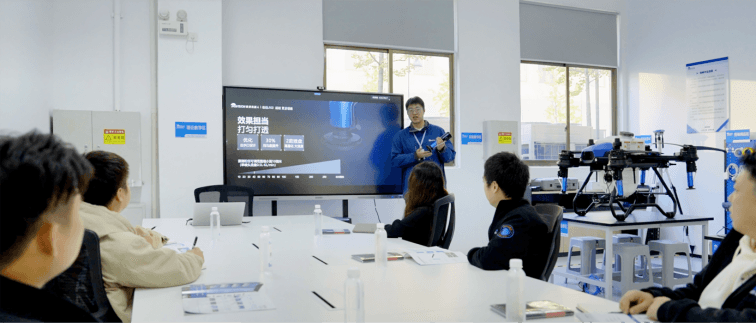
After-sales support is one of the most important hidden TCO factors.
If a drone is down during a narrow spray window, the cost can be much higher than the repair bill. Lost timing may affect pest control, disease prevention, crop quality, or customer trust.
EAVISION's after-sales page describes a global service system, authorized service stations, original parts, online parts support, training resources, remote technical guidance, and 24/7 online customer service. These support items are part of ownership economics because they influence how quickly a buyer can solve problems.
Before purchasing, ask:
- Where is the nearest service station?
- Are original parts available locally?
- Can operators order parts online?
- Is remote technical support available?
- What support is included during the warranty period?
- What is the expected turnaround time for repairs?
- Are training resources available for new operators?
A strong support network can reduce downtime, which is one of the most expensive ownership costs.
8. Software, Mapping, and Data Workflow
Some buyers forget that agricultural drone operations are not only mechanical. They also depend on route planning, field boundaries, maps, job records, and sometimes fleet management.
Budget for:
- Mapping tools
- RTK or positioning equipment
- Software subscriptions, if required
- Data storage
- Job reporting
- Field boundary setup
- Multi-plot route planning
EAVISION product pages highlight built-in mapping, hand-drawn boundaries, intelligent route planning, RTK support, and weak-signal operation tools such as Super-Link. For TCO, these features may reduce setup time and help operators complete more work with fewer mistakes.
The cost of software should be compared with the cost of manual planning errors, repeated flights, missed areas, or slow job setup.
9. Transport, Storage, and Field Logistics
Agricultural drones are field machines. The buying budget should include how they move, where they are stored, and how the work crew supports them.
Plan for:
- Vehicle or trailer space
- Protective cases
- Chemical mixing equipment
- Water tanks
- Refill pumps
- Landing pad
- Battery storage
- Weather protection
- Secure overnight storage
- Cleaning area
This is especially important for service operators who travel between farms. A well-designed field setup can increase acres per day and reduce accidental damage.
10. Downtime: The Cost That Does Not Show on the Quote
Downtime is often the largest hidden cost.
A drone may be down because of:
- Battery shortage
- Charger failure
- Broken propeller
- Damaged nozzle
- Clogged pump
- Software setup problem
- Missing license
- Poor operator training
- No local parts
- Slow repair process
Downtime matters because agricultural work is seasonal. A spray job delayed by two weeks may not be worth the same as a spray job completed on time.
Procurement teams should include downtime risk in the buying decision. A lower purchase price may not be cheaper if the drone is harder to support.
11. Depreciation and Resale Value
Agricultural drones depreciate like other field equipment. But resale value depends on more than age.
It may depend on:
- Brand reputation
- Battery condition
- Maintenance records
- Crash history
- Software support
- Parts availability
- Local dealer support
- Compatibility with newer modules
Keep maintenance logs, battery records, repair history, and firmware records. These records can support resale value and make it easier to evaluate replacement timing.
Buyer Checklist: Questions to Ask Before Signing
Before choosing an agricultural drone, ask:
- Is this a complete working package or only the base aircraft?
- How many batteries are included?
- How many batteries do we need for our daily acreage target?
- How long does charging take in real field conditions?
- Is a generator required?
- What parts wear out most often?
- Are original parts available locally?
- What maintenance can the operator perform?
- Where is the nearest authorized service station?
- What training is included?
- What licenses or permits do we need in our region?
- What insurance should we budget?
- How much downtime can we tolerate during peak season?
- Does this drone support the crops and terrain we actually operate in?
- Can the drone also spread fertilizer, seed, feed, or handle lifting tasks?
If a supplier cannot answer these questions, the quote is not complete enough for a serious buying decision.
How EAVISION Helps Reduce Hidden Ownership Costs
Agricultural drone TCO is not reduced by one feature alone. It is reduced by the combination of machine design, workflow efficiency, service support, and operator training.
EAVISION's product and service ecosystem can help buyers manage ownership cost in several ways:
- High-capacity platforms such as the J150 support spraying, spreading, lifting, and mapping, which can increase machine utilization.
- Fast charging and two-battery cycling help reduce field downtime.
- IP-rated durability and wash-down design support post-spray cleaning and corrosion control.
- Built-in mapping, intelligent route planning, and obstacle-avoidance features can reduce operating mistakes.
- EAVISION Academy, authorized service stations, parts support, remote technical guidance, and 24/7 online customer service help buyers solve problems after purchase.
The strongest TCO strategy is not simply buying a cheaper drone. It is buying a system that keeps working through the season.
Bottom Line
Agricultural drone total cost of ownership includes much more than the crop spraying drone price.
A complete buyer budget should include batteries, chargers, field power, training, compliance, insurance, maintenance, parts, software, transport, downtime, and resale value.
The most expensive drone is not always the one with the highest invoice. Sometimes it is the one that sits idle when the crop needs spraying.
Before buying, build a three-year TCO worksheet. Compare packages by cost per acre, uptime, support access, and fit for your crops. That is the difference between buying a drone and investing in a reliable agricultural operation.
FAQs
What is agricultural drone total cost of ownership?
Agricultural drone total cost of ownership is the full cost of buying, operating, maintaining, supporting, and eventually replacing or reselling a drone. It includes the drone package, batteries, charger, training, insurance, maintenance, parts, software, transport, downtime, and depreciation.
Is crop spraying drone price the same as ownership cost?
No. Crop spraying drone price usually refers to the initial purchase or package price. Ownership cost includes everything needed to operate the drone over multiple seasons, including battery replacement, maintenance, training, support, and downtime.
What is the most commonly forgotten cost when buying an agricultural drone?
Batteries, training, field charging setup, spare parts, and downtime are commonly underestimated. Buyers often focus on the aircraft but forget the workflow required to keep it operating during peak spray windows.
How many batteries should I budget for?
It depends on acreage target, flight time, charging speed, refill workflow, temperature, and whether you operate continuously. Buyers should calculate the daily work plan first, then decide how many batteries are needed to avoid idle time.
Does after-sales support affect total cost of ownership?
Yes. Strong after-sales support can reduce downtime, speed up repairs, improve operator confidence, and help keep the drone working during seasonal spray windows. Parts availability and local service access are important TCO factors.
How do I compare two agricultural drone quotes?
Ask each supplier for a complete package list and a three-year ownership estimate. Compare batteries, charger, training, support, warranty, parts availability, maintenance requirements, software, and expected downtime, not only tank size or base price.
Can a more expensive drone have a lower total cost of ownership?
Yes. A more complete drone package may reduce downtime, improve efficiency, lower repair risk, or support more use cases such as spraying, spreading, lifting, and mapping. The better comparison is cost per productive acre over time.