Drone Spraying NZ: What the New Rules Mean for Your Farm


For years, drone spraying in NZ has been stuck behind expensive paperwork and certification queues. That's starting to change. The New Zealand government recently moved to scrap Part 102 certification requirements for lower-risk agricultural drone operations, including routine pest and fertiliser spraying. If you've been waiting on the sidelines, this is worth paying attention to.
Here's what actually changed, what it means for your day-to-day operations, and how to set yourself up under the new framework.
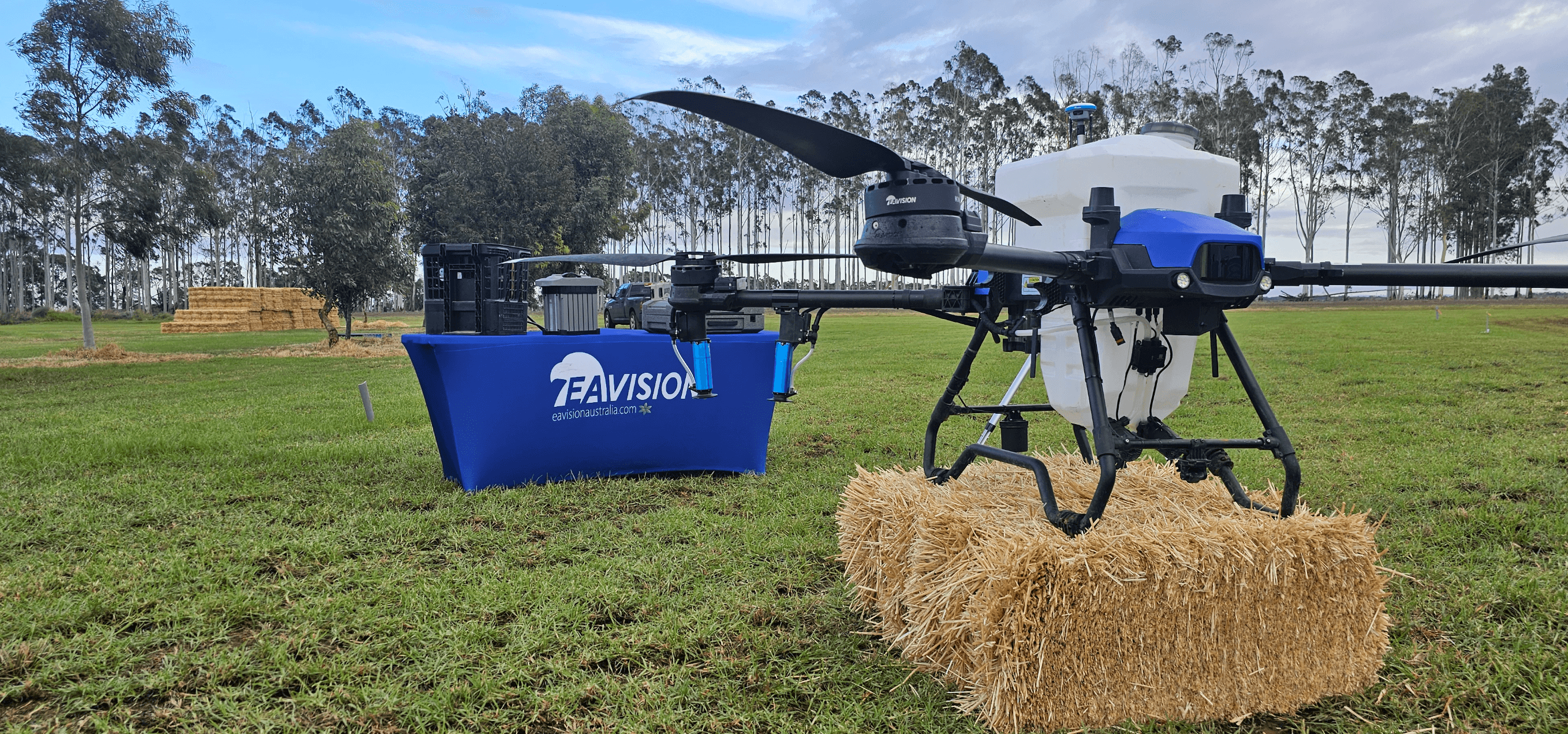
What Changed in NZ's Drone Spraying Regulations
In late 2025, updated Civil Aviation Rules for drones and advanced aviation took effect across New Zealand. Then, in mid-2026, Associate Transport Minister James Meager announced a further push: replacing the Part 102 certification requirement with a notification-only process for routine, lower-risk agricultural drone tasks.
In the minister's words, "Farmers have told us about routine spraying operations being held up due to costly and complex regulatory roadblocks."
The goal? Bring NZ closer to countries like Australia, where agricultural drones weighing up to 150 kg can operate on farmland under straightforward licensing. No full certification process required.
Safety and environmental protections remain. But the approval bottleneck? That's being removed.
Part 101 vs Part 102: Where Your Operation Falls
Here's a quick breakdown of how the two rule sets work:
|
|
Part 101 |
Part 102 |
|
Drone Weight |
Under 25 kg |
Over 25 kg or complex operations |
|
Spraying Allowed? |
No (previously banned) |
Yes, with certification |
|
Certification Needed? |
No |
Yes, being relaxed for low-risk ag work |
|
Typical Cost |
Minimal |
$15,000–$20,000 per operator annually |
|
Line of Sight |
Required |
Can apply for BVLOS |
Under the old rules, any aerial spraying required Part 102 certification. Part 101 had never permitted spraying, but the 2025 rule update made that prohibition explicit. A farmer spraying their own paddock faced the same certification pathway as a commercial operator. That $15,000–$20,000 annual compliance cost alone was enough to kill adoption for most small and mid-sized operations.
The new direction flips that. Low-risk spraying on your own land, using the right equipment, is being freed from the full certification pathway.
Why NZ Was Falling Behind
The NZ Agricultural Drone Association put it bluntly: the country that usually leads in ag-tech adoption had fallen behind the rest of the world on drone regulation. The government’s own cost-benefit estimate put the net benefit of removing certification at $1.3 million to $1.7 million over 10 years.
Meanwhile, farmers in Australia, Brazil, and across Southeast Asia were already covering hundreds of hectares a week with agricultural drone spraying and spreading solutions. And they were doing it at a fraction of the regulatory overhead.
Horticulture and viticulture stand to gain the most here. Precise, timely spraying without soil compaction or the cost of heavy machinery access is a real operational win, especially on hilly terrain.
What This Means for On-Farm Spraying
If you're running an orchard, vineyard, or mixed farm in NZ, the practical upside is pretty clear:
- Lower barriers to entry. You won't need to wait months in a certification queue for straightforward spraying jobs on your own property.
- Reduced chemical exposure. Drones keep operators away from the spray zone. That's a genuine safety improvement over backpack spraying.
- Better coverage, less waste. Modern ag drones can cut chemical use by up to 30% compared to broadcast methods, with droplets as fine as 10 μm reaching deep into canopy layers.
That said, you'll still need to follow ACVM, EPA/HSNO, and regional council requirements. The CAA changes reduce aviation paperwork, but they don't replace agrichemical compliance.
Getting the Right Drone for NZ Conditions
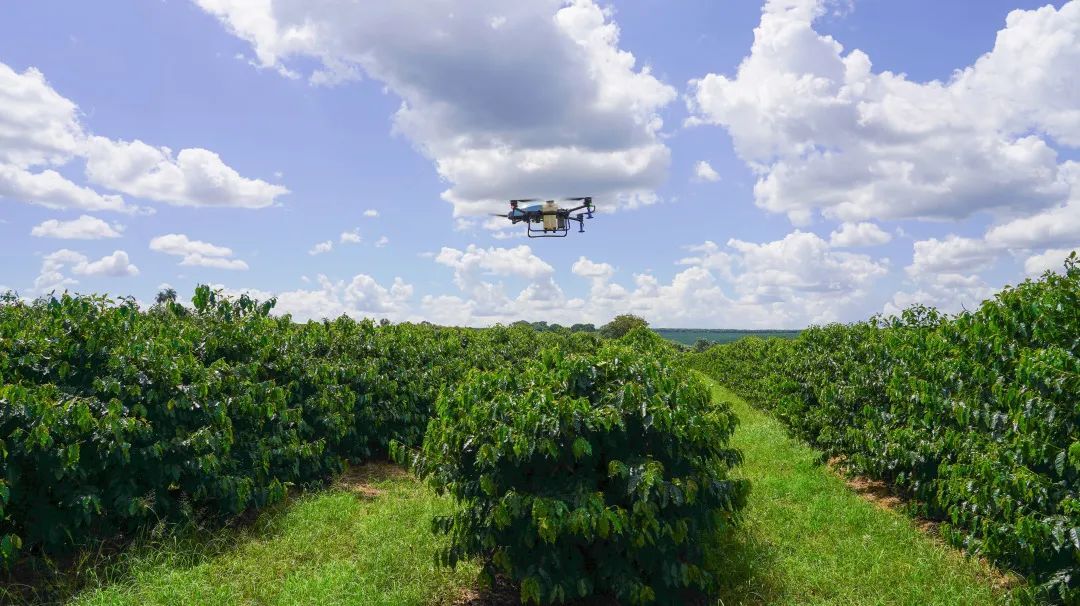
Not every agricultural drone handles NZ terrain well. Steep hills, terraced orchards, and narrow vineyard rows demand more than GPS autopilot and a spray tank. You need real-time obstacle avoidance, terrain-following that works on slopes, and droplet control that handles wind.
We've built the agricultural drones around exactly these conditions. The EA-J150, for example, carries a 70-litre spray tank, follows terrain using automotive-grade radar and laser vision, and produces adjustable droplets from 10 to 300 μm through our 4th-generation CCMS® nozzle system. It sprays, spreads fertiliser, and lifts up to 75 kg. All from one platform.
Operators across hillside orchards, vineyards, and row crops are already putting these systems to work. You can see real field results in our case studies.
And if you're looking to build a service business around these changes, we're actively expanding our dealer network. Apply to become an EAVISION partner here.
FAQs
Do I still need Part 102 certification to spray with a drone in NZ?
It depends on the operation. The government is removing the Part 102 requirement for lower-risk routine spraying, like treating your own farmland with pest or fertiliser products. Higher-risk or commercial operations may still require certification. Check the latest CAA guidance for your specific scenario.
What size drone do I need for agricultural spraying in NZ?
Most serious spray operations use drones well above the 25 kg Part 101 limit. The EAVISION J150 has a max takeoff weight of about 149 kg and carries a 70-litre spray tank, enough to cover roughly 65 acres per hour depending on application rate and terrain.
Is drone spraying actually effective on hilly NZ terrain?
Yes, and it's one of the strongest use cases. Drones with real-time terrain-following and obstacle avoidance handle slopes and terraced hillsides that would be dangerous or impossible for tractors. In our experience, hilly orchards and vineyards see some of the highest ROI from switching to drone application.
What chemicals can I spray with a drone in NZ?
Drone spraying is treated as aerial application under NZ's ACVM framework. If the agrichemical label permits aerial use, you can apply it by drone. If the label specifies ground-application only, drone use isn't allowed. No agrichemical labels in NZ currently carry drone-specific instructions, so check with the product registrant when the label is unclear.
Can I spray my own farm without approval?
Working on your own property does not remove the current Part 102 requirement for agrichemical drone spraying. The operation must be covered by an appropriately approved operator certificate.