How to Start Agricultural Drone Spraying Services?


A spray drone is the easy part. The business is the hard part.
Farms are not paying for flight time. They are paying for a crop treatment to be done safely, on time, and with records they can trust. The drone is only one piece of that. Your licenses, your refill plan, your pricing, and your follow-up matter just as much.
Dealers who build the full service around the drone are the ones who last. The ones who sell a box and walk away end up with a customer who never calls again.
Related article: How to Start an Agricultural Drone Spraying Business in 2026
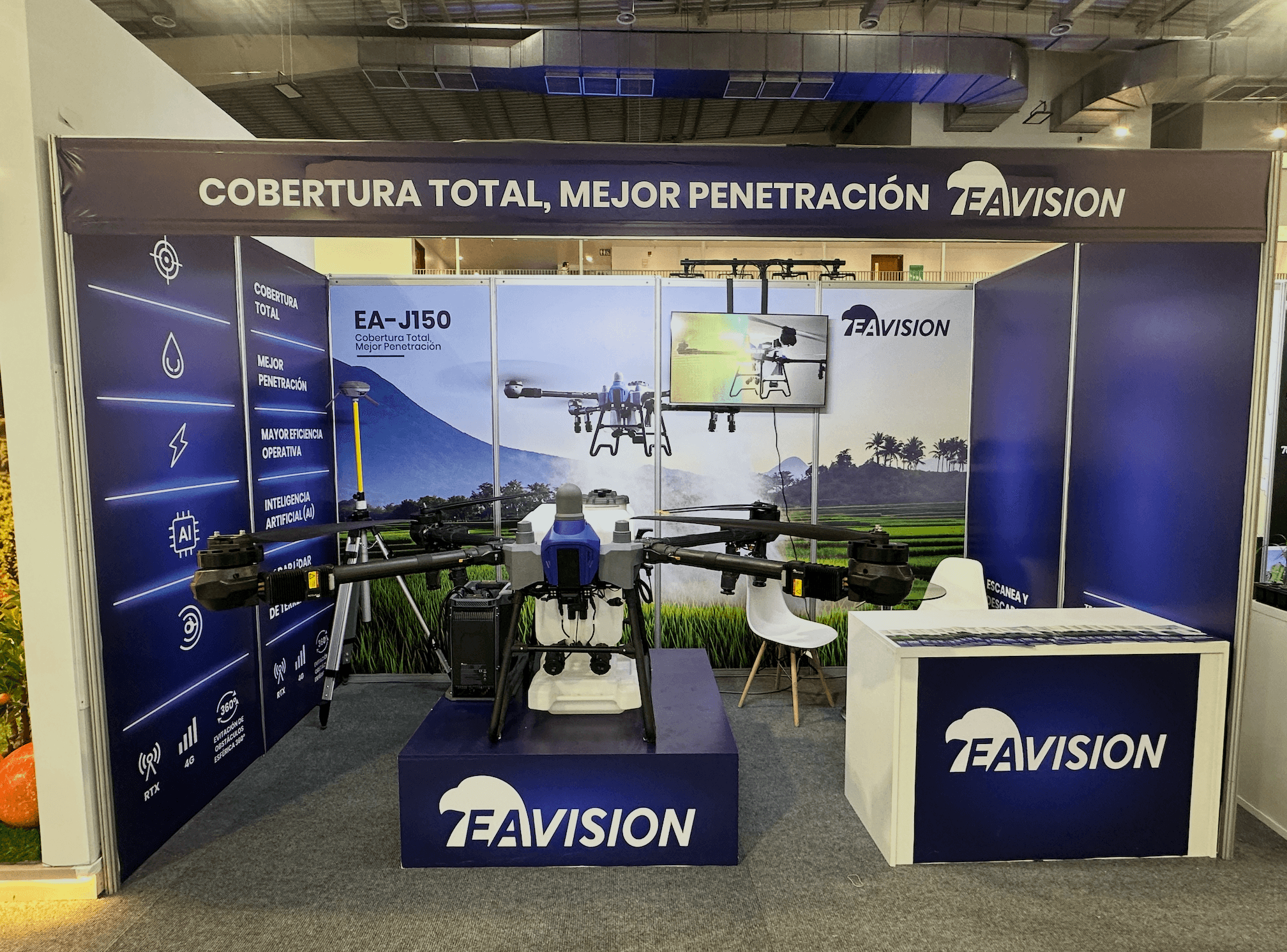
What Are Agricultural Drone Spraying Services?
Agricultural drone spraying services apply approved crop-protection or nutrition products by drone for a farm, grower group, cooperative, or agricultural contractor. The operator brings the aircraft, trained crew, planning process, and application records. Depending on local rules and the agreement, the customer or service provider may supply the product.
The strongest offer is specific. You might serve wet fields that cannot carry a ground rig, fragmented plots, orchards, steep terrain, or crops with narrow treatment windows. Start with one clear problem. It is easier to sell “fast treatment for inaccessible fields” than a vague promise to do everything with a drone. That is what the service is. Now here is how to build one that actually works.
1. Validate Demand for Drone Spraying in Your Area
Talk to customers before ordering equipment. Ask growers, crop advisers, input dealers, and existing applicators where delays happen. Which crops need quick treatment? Which fields are regularly too wet, steep, small, or awkward for conventional equipment? How far apart are the farms? Local density matters because driving, setup, and cleanup can consume more time than the flight.
Plan for a realistic first season, not a huge theoretical market. A short list of nearby farms with similar crops makes scheduling simpler and reduces dead travel.
2. Define Exactly What Your Spraying Service Includes
Write a simple service scope before you write a price list. State the crops and field types you accept, the area you cover, who supplies and mixes the product, what weather limits apply, and what the customer receives after the job. If mapping, granular spreading, or scouting are separate services, list them separately.
- Pre-job field review and boundary confirmation
- Mission planning and application setup
- Spraying by a qualified operator and trained ground crew
- Post-job application record and issue reporting
- Clear cancellation, rescheduling, and minimum-job terms
This turns a drone flight into a professional deliverable and prevents awkward assumptions at the field.
3. Secure Licenses Before Accepting Paid Spray Jobs
Rules vary by country, state, aircraft weight, and product. Check the aviation and pesticide authorities where you will actually work. In the United States, the FAA explains that Part 137 governs many drone operations that dispense agricultural substances. The FAA process can also differ for aircraft below or above 55 pounds at takeoff. A Remote Pilot Certificate and aircraft registration may be part of the required stack.
Aviation approval does not replace applicator licensing. The U.S. EPA requires certification for people who apply or supervise restricted-use pesticides, and state, territorial, or tribal rules may add requirements for commercial applicators. You may also need business registration, chemical liability coverage, worker training, and local permits.
Related article: FAA Regulations for Agricultural Drone Spraying: Part 137 Explained
|
Compliance note This article is a planning guide, not legal advice. Confirm current requirements and every product label before offering a paid application. |
4. Build a Field-Ready Agricultural Drone Setup
Do not budget for the aircraft alone. A working service needs batteries, charging, clean water, measuring and mixing tools, personal protective equipment, spare parts, transport, communication gear, and a safe place to manage chemicals. The refill area should stay organized even when the day gets busy.
Choose capacity around your customers and crew. A smaller, flexible platform may suit a solo operator and short routes. A higher-capacity system may suit larger fields, but it also changes transport, power, refill, and regulatory needs. Compare the EAVISION J70, J100, and J150 on the agricultural spraying drone product page. Then include training, parts availability, and after-sales response in the buying decision—not just tank size.
5. Create a Repeatable Customer-to-Field Workflow
A reliable process makes agricultural drone spraying services easier to sell and easier to scale. Use the same basic sequence for every enquiry:
1. Collect the crop, field location, acreage, target problem, product, and preferred timing.
2. Review boundaries, obstacles, nearby people, roads, water, livestock, and sensitive areas.
3. Check the label, permissions, weather window, and aircraft limits.
4. Send a written quote with inclusions, exclusions, and rescheduling terms.
5. Complete a pre-flight briefing, spray the approved plan, and log the job.
6. Send the customer a concise completion record and note any exceptions.
Prepare an enquiry form, risk checklist, job sheet, application record, incident form, and customer sign-off. These templates show consistency.
6. Price Agricultural Drone Spraying Services Properly
Many operators quote per acre or hectare, but that number should come from your costs. Include travel, setup, labor, charging, water handling, cleaning, maintenance, insurance, administration, depreciation, and weather-related downtime. Add a minimum job fee so a tiny, distant field does not become a loss.
A simple check is: quoted price minus total job cost equals expected job contribution. Then ask how many similar jobs fit into a realistic day. Do not calculate capacity from maximum flight speed alone. Refilling, battery swaps, field moves, customer delays, and cleaning all count.
State whether chemicals are included, who selects the product, when standby charges apply, and what triggers rescheduling.
7. Make Safety and Application Records Part of the Service
Before each job, confirm weather, people and animals nearby, obstacles, buffer areas, aircraft condition, battery condition, and emergency actions. Follow the product label and your approved operating conditions. If the situation changes, pause. A delayed application is easier to explain than an avoidable incident.
After the job, record the field, crop, area, product, settings, operator, weather, timing, and any deviations. Share the customer-facing record promptly. It protects both sides and speeds up repeat work.
8. Find the First Customers for Your Drone Spray Service
Start with trusted agricultural networks. Crop consultants, cooperatives, dealers, agronomists, orchard managers, and established applicators already know where service gaps exist. A ground-spraying company may even refer fields it cannot enter or jobs that are too small for its main rig.
Use demonstrations to show the workflow, not only the aircraft. Explain the plan, safety checks, refill process, and completion report. With permission, document a successful local job. That is more persuasive than generic drone footage.
9. Track Performance Before You Add Another Drone
Measure acres or hectares completed, revenue per working day, travel time, setup time, rework, battery cycles, maintenance cost, enquiries, quote acceptance, and repeat bookings. These numbers show where the real bottleneck sits. It may be charging, field travel, mixing, sales, or trained crew—not aircraft capacity.
Scale only when demand is repeatable. Your next investment might be batteries, a better trailer, another ground-crew member, or stronger local support. Review the manufacturer’s after-sales service and local dealer coverage before expanding. Reliable support keeps booked jobs from turning into apologies.
Which EAVISION Drone Fits a Spraying Service?
Match the platform to the route rather than choosing the largest option automatically. The EAVISION J70 can suit flexible operations and smaller service areas. The J100 offers a middle path for mixed agricultural work. The J150 is designed for higher-capacity routes and broader multi-scenario use. Talk with a local dealer about crop type, terrain, daily workload, transport, training, and support before choosing.
Useful next steps: compare EAVISION spraying drones or become a local dealer.
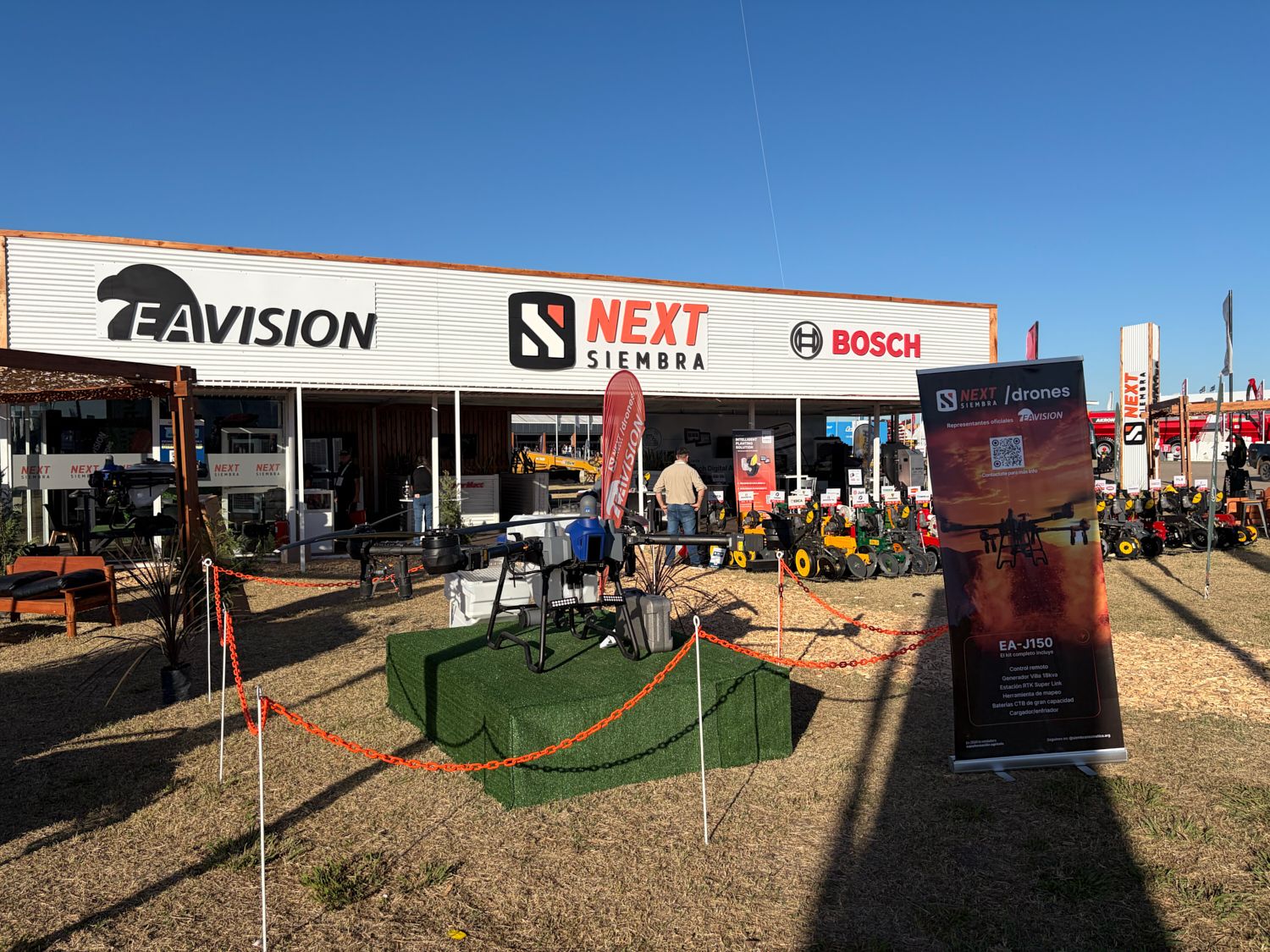
Start with the Service, Not Just the Drone
The easiest mistake is to buy impressive equipment and hope customers appear. A stronger path is quieter. Find a real local problem. Confirm the rules. Define a clear offer. Build a field workflow. Price every part of the job. Then choose equipment that supports that plan.
That is how agricultural drone spraying services become dependable. Farms remember operators who arrive prepared, communicate clearly, protect the crop, and deliver good records. Those habits create repeat work—and repeat work is what turns a capable drone into a sustainable service.
Frequently Asked Questions
What licenses are needed for agricultural drone spraying services?
Requirements depend on the country, region, aircraft, and product. In the United States, the stack may include drone registration, a Remote Pilot Certificate, Part 137 certification or exemptions, and commercial pesticide applicator licensing. Always verify current aviation and pesticide rules locally.
How should a drone spraying service charge customers?
Per-acre or per-hectare pricing is common, but it should cover travel, labor, setup, charging, water handling, cleaning, maintenance, insurance, administration, and downtime. A minimum job fee and clear rescheduling terms can protect margins.
What equipment is needed besides the spray drone?
Plan for batteries, charging or field power, clean water, mixing and measuring tools, PPE, spare parts, transport, communication equipment, cleaning supplies, and secure chemical handling. The exact setup depends on the aircraft and local rules.
How can a new operator find the first spraying customers?
Begin with growers and advisers you already know. Build relationships with cooperatives, input dealers, crop consultants, orchard managers, and existing applicators. Demonstrate the complete service workflow and use documented local jobs to earn referrals.
Can agricultural drone spraying services expand beyond spraying?
Yes, where equipment and local regulations allow. Related work may include granular spreading, seeding, scouting, or specialized orchard operations. Add services only after the core spray workflow is safe and repeatable.