Spraying Drones for Sale: 2026 Buyer's Guide


If you are comparing spraying drones for sale in 2026, start with the work, not the biggest tank. The right aircraft must fit your crop, application volume, terrain, crew, weather window, and local rules. A lower quote can become expensive fast if the battery plan, charger, parts, or training are missing.
This guide keeps the buying process practical. You will see which specifications matter, and what to test at a demo. The goal is simple: buy a field-ready system that your team can actually keep working.
What Size Spraying Drone Do You Need?
Write down three numbers before you call a dealer: acres or hectares per day, application volume, and the hours available in a normal spray window. Then add crop height, slope, obstacles, travel between fields, and water access. Those facts quickly narrow the right size.
|
Buyer profile |
Likely fit |
What to prove at the demo |
|
Smaller blocks, specialty crops, compact trailers |
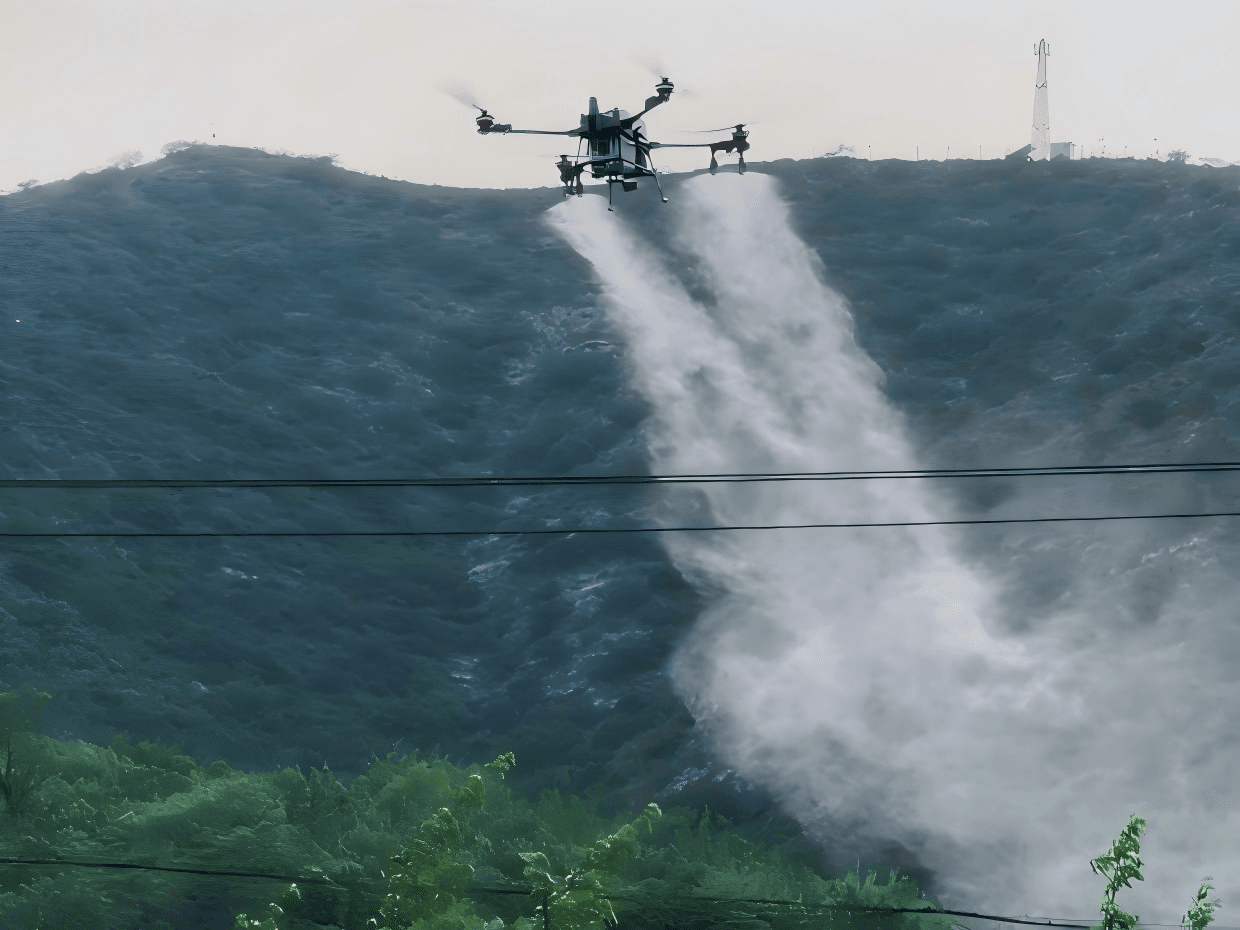
EAVISION J70: 35 L tank, up to 24 L/min, up to 10 m spray width |
Access, turning space, coverage, and one-person handling |
|
Large farms, contractors, high-volume or multi-use work |
EAVISION J150: 70 L tank, up to 40 L/min, 4-15 m spray width |
Loaded cycle time, effective swath, refill flow, and transport |
Published specifications are a shortlist, not a purchase decision. Your effective swath may be narrower than the maximum. Loaded flight time also changes with flow, speed, temperature, wind, and terrain.
How to Compare Spraying Drones for Sale
Use the same field, mix volume, route, and pass conditions for every demonstration. A fair comparison needs measured results, not two different sales flights.
1. Match Tank Size to Acres and Refills
A larger tank reduces refill frequency, but it also changes aircraft weight, handling, registration needs, and trailer space. Calculate how many loads each job needs at the label-approved application volume. Then time filling, takeoff, spraying, landing, and battery exchange. This full cycle is more useful than a brochure's acres-per-hour figure.
If most jobs are small orchards or divided fields, a compact drone may turn and relocate more easily. Large, open blocks may reward a higher-capacity aircraft. There is no prize for carrying liquid you cannot apply efficiently.
2. Check Flow, Droplets, and Effective Swath
Flow rate tells you whether the drone can hold the planned application volume at your chosen speed. Droplet control tells you how much flexibility you have across crops and labels. The J70 and J150 both list a 10-300 micrometer droplet range, while their maximum flow rates differ.
Ask for a water-only pattern test. Place water-sensitive cards across the route center and edges. The useful swath is the width that gives acceptable deposition and overlap. EAVISION's agricultural drone spraying guide explains how droplets, rotor airflow, and canopy structure work together.
3. Test Terrain Following and Obstacle Sensing
Flat-field performance does not prove orchard or hillside performance. Bring a field map with slopes, poles, wires, tree rows, and signal shadows. Ask the dealer to show boundary creation, route editing, terrain following, obstacle alerts, pause, return, and mission resume.
No sensing system removes the operator's responsibility. Thin wires, dead branches, glare, dust, rain, and low light can change detection. The demo should show both the technology and the safe response when the aircraft stops or rejects a route.
4. Time the Battery, Refill, and Charging Loop
A fast drone can still sit on the ground. Watch a loaded flight, not an empty hover test. Record minutes in the air, battery temperature, charge time, refill time, and generator load. Confirm how many batteries and chargers are needed for continuous work in your climate.
5. Price the Complete Field Kit
The aircraft is only one line. Request an itemized quote for batteries, chargers, generator, controller, RTK or relay equipment, nozzles, pumps, spare propellers, tools, PPE, transfer pump, rinse setup, trailer needs, software, freight, tax, training, and insurance.
A 2025 University of Missouri Extension ownership model included the drone, batteries, charger, generator, transport, and liquid-transfer equipment. That is the right mindset. Compare total cost per treated acre, not only the invoice for the aircraft.
6. Verify Dealer Support Before You Pay
Ask who answers during spray season. Get expected response times for diagnostics, parts, battery issues, firmware, warranty claims, and crash repair. Confirm training dates, trainer qualifications, local spare stock, and the process for transferring flight logs or accounts.
Put the model, configuration, serial items, delivery date, warranty, included training, and support promise in writing. A good field demo ends with saved settings, measured coverage, and a clear list of follow-up actions. EAVISION's J150 field-demo checklist shows how to turn specifications into tests.
What Do Spraying Drones for Sale Cost in 2026?
Prices vary by country, payload class, sensor package, tariffs, dealer service, batteries, and included field equipment. Public prices also age quickly. Ask for a dated, itemized quote with a clear validity period. If financing is involved, add interest, insurance, depreciation, battery replacement, maintenance, labor, fuel, storage, and training.
Next, divide annual ownership and operating costs by realistic treated acres. Use your own season length and weather risk. The Missouri model found that ownership economics improved as annual acres increased, but the result depended on its assumptions. A farm with limited acres may be better served by a contractor first.
U.S. Rules to Check Before Buying a Spray Drone
In the United States, FAA Part 137 guidance applies to many agricultural dispensing operations. The path differs for aircraft below 55 lb and aircraft at or above 55 lb. Registration, a Remote Pilot Certificate, an Agricultural Aircraft Operator Certificate, exemptions, and operating authority may be involved.
You may also need state pesticide credentials, business permits, insurance, and product-label approval for aerial application. Rules differ by location and substance. Check them before ordering, not after delivery. Buyers outside the United States should ask the local aviation and pesticide authorities for the current path.
Ready to compare configurations? Contact us to discuss your needs further.
FAQ
Where can I find spraying drones for sale?
Start with an authorized local dealer or the manufacturer's dealer locator. Confirm that the seller can provide training, parts, warranty support, and a field demo in your region.
Do spraying drones for sale include batteries?
Not always. Some quotes include one battery and charger; others are aircraft-only or full field kits. Request an itemized list and verify how many batteries support continuous work.
What size spraying drone should I buy?
Match capacity to application volume, field size, terrain, refill access, transport, and crew. A compact 35 L class can suit smaller blocks, while a 70 L class may fit large farms and contractors.
Can I spray pesticides with a drone?
Only when aviation rules, pesticide licensing, and the product label allow it. In the United States, many operations also need Part 137 certification and applicable exemptions.
Should I buy or hire a spray service?
Buy when annual use, timing control, staff, and cash flow support ownership. Hire first when acres are limited, regulations are unclear, or you want field results before investing.