Agricultural Drone in Malaysia: 2026 Dealer Opportunity


Oil palm. Paddy. Durian. Each crop creates a different set of farming challenges, and each challenge can be addressed more effectively with drones. Oil palm brings scale. Paddy creates repeat seasonal work. Durian lets dealers prove terrain and canopy performance. Across all three, the need for faster, more precise application is real.
That makes Malaysia a credible agricultural drone dealer opportunity in 2026. But the winning offer is bigger than the aircraft. Growers and contractors need field demonstrations, trained pilots, spare parts, fast repairs, and help navigating the operating process.
For anyone researching the agricultural drone Malaysia opportunity, the key question is not, “How many drones can we sell?” It is, “Can we keep customers productive after the sale?” This guide covers the demand, rules, business models, and first steps.
Is Malaysia a Good Agricultural Drone Market in 2026?
Yes, for a dealer that combines equipment with local service. Malaysia has large crop areas, active smallholder communities, and work that is hard to cover with ground machines. Drones can help where timing, labor, wet soil, slopes, or dense planting limit access.
There is no single official 2026 figure for Malaysia's agricultural drone market. Treat exact national market-size claims carefully. Crop area is a useful starting point, but it is a workload indicator, not a drone-sales forecast.
The best opportunities are usually regional. A dealer may build around paddy contractors in Kedah, oil-palm estates and service teams in Sabah or Sarawak, or high-value fruit growers in Johor. Local focus makes demonstrations, parts stocking, and customer visits easier to manage.
Related article: Agricultural Drones Market in 2026: Size, Growth & Trends
Where Agricultural Drone Demand Comes From
Three crop groups help explain the opportunity. Their field layouts, seasons, and service needs are different, so one sales pitch will not fit all three.
|
Crop |
Latest official footprint |
Practical dealer opening |
|
5.70 million ha in 2025; Sabah and Sarawak hold 55.4% |
Estate work, smallholder groups, spraying, spreading, mapping, and field support |
|
|
506,377 ha in the 2023 census; Kedah has 198,503 ha |
Repeat seasonal routes, contractor packages, and compact field logistics |
|
|
94,802 ha in the 2023 census; Johor has 24,144 ha |
Canopy and terrain demonstrations, precise application, and premium support |
Oil Palm Creates the Largest Service Map
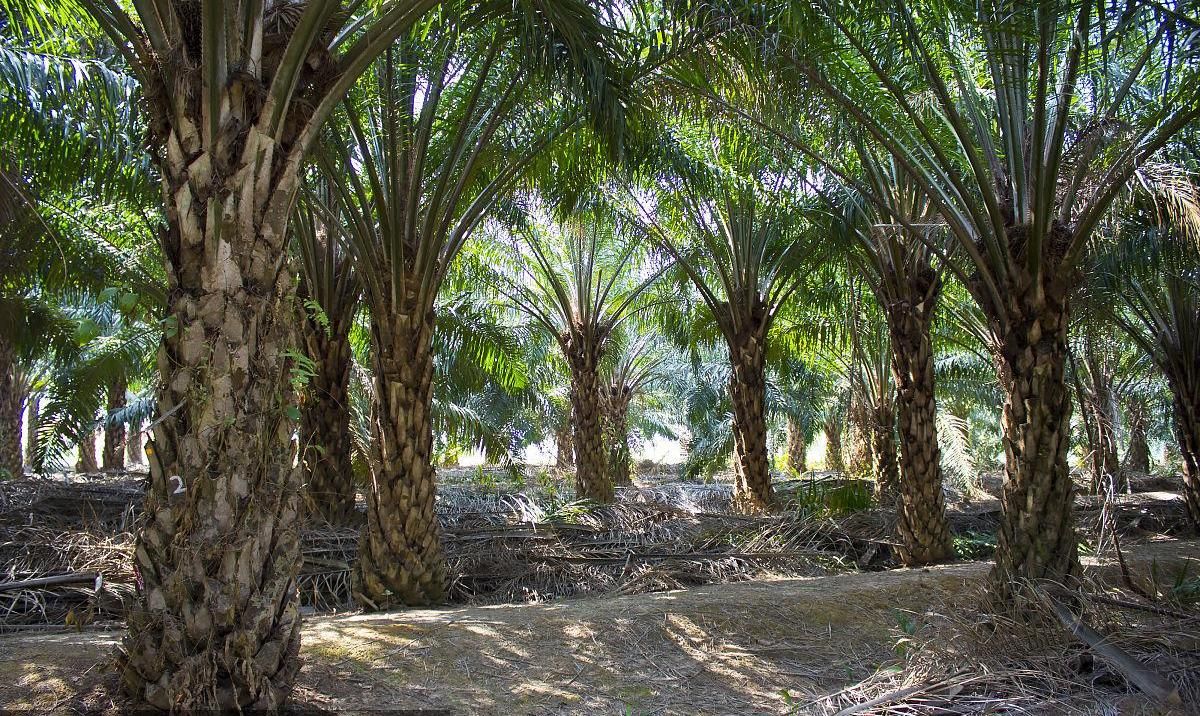
The Malaysian Palm Oil Board reports 5.70 million hectares of planted oil palm in 2025. Sabah and Sarawak together account for 55.4% of that area. Estates represent most planted hectares, while independent and organised smallholders form another important customer group.
The opening is not limited to spraying. Mapping, approved spreading, training, battery planning, and mobile repairs can support the same customers. East Malaysia also raises the value of regional parts stock and travelling technicians.
Paddy Supports Repeat Seasonal Work
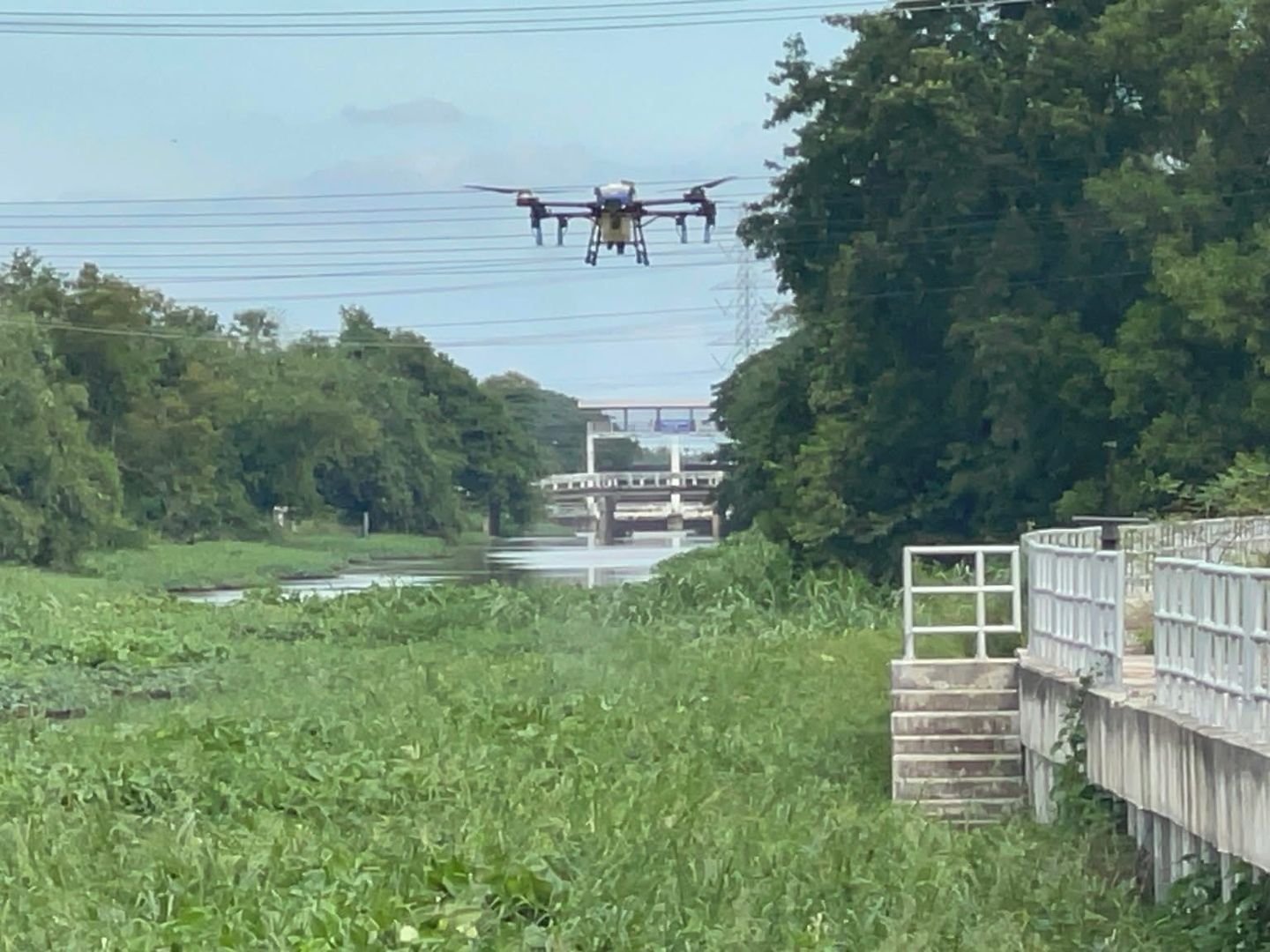
The Department of Statistics Malaysia recorded 506,376.8 hectares of paddy in the 2023 census, including 198,503 hectares in Kedah. Flat fields and repeated crop-protection windows make paddy a natural place to demonstrate daily output and application consistency.
A dealer can work with contractors, cooperatives, and grower groups instead of waiting for every farmer to buy a unit. Operator training, route planning, and battery turnaround then become part of the product.
Durian Rewards Canopy Performance
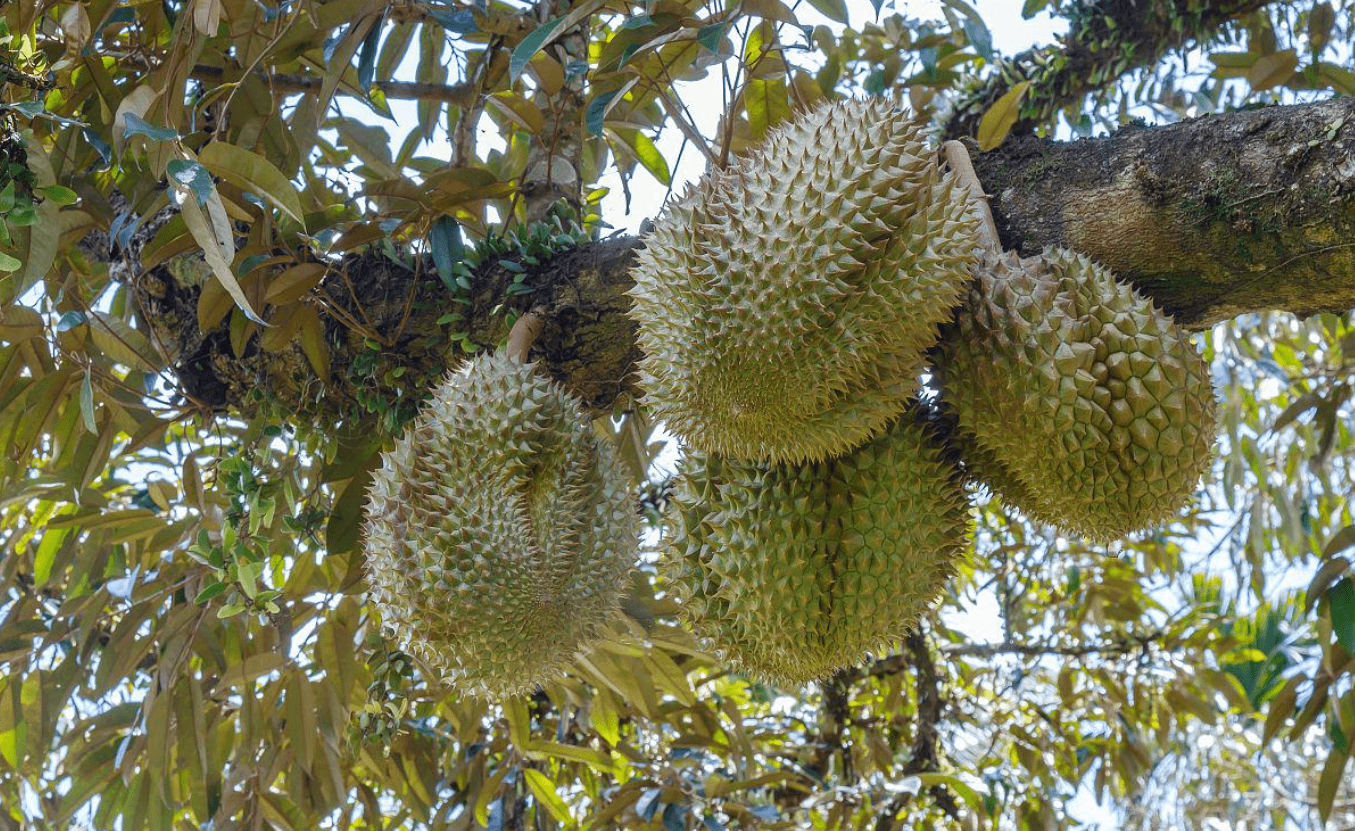
The same agriculture census recorded 94,801.9 hectares of durian, with Johor leading at 24,144 hectares. Orchard blocks can be uneven, sloped, and visually complex. Buyers will want to see how a drone follows terrain and places droplets around a real canopy.
This is where a crop-specific demo matters. Use water or an approved method, agree on the target before flight, and show the result after landing. A brochure cannot replace that proof.
What Malaysian Buyers Expect From a Dealer
Field Demos That Match the Crop
A rice-field demo should answer questions about swath, refill time, and full-cycle output. An oil-palm or durian demo should focus on terrain, canopy access, positioning, and coverage. Use the buyer's likely configuration. Record weather, settings, area, battery cycles, and interruptions.
Fast Parts, Training, and Repairs
Peak-season downtime is expensive. Before taking orders, decide which pumps, hoses, nozzles, seals, chargers, and batteries need local stock. Set a realistic response time for remote customers. A trained technician often matters more than a long feature list.
Help With the Operating Workflow
New customers may understand farming but not aviation paperwork, pilot records, battery care, or spray-job documentation. A dealer can make adoption easier with a simple onboarding path: site check, operator training, document checklist, first supervised jobs, maintenance schedule, and a named support contact.
Agricultural Drone Rules in Malaysia
Malaysia treats agricultural UAS work as a regulated aviation activity. The Civil Aviation Authority of Malaysia says CAD 6011 Part II covers private and commercial agricultural UAS operations and the issue of an Unmanned Aircraft Operator Certificate, or UAWC.
CAAM's current UAS guidance lists an RM800 annual UAWC application fee and RM500 renewal fee. Commercial operators need qualified remote pilots, including RCoC-B with Module 2 AGR, plus manuals, pilot records, and nominated management roles. Dealers should verify the latest guidance before promising a launch date.
Payload rules matter too. The Department of Agriculture's UAS payload notice covers registered pesticides with a UAS-use recommendation, plus fertilizer, plant enhancers, and seeds, subject to CAAM flight approval. Aircraft approval is not permission to apply any chemical.
Dealer Models That Fit the Malaysian Market
Equipment and Support Packages
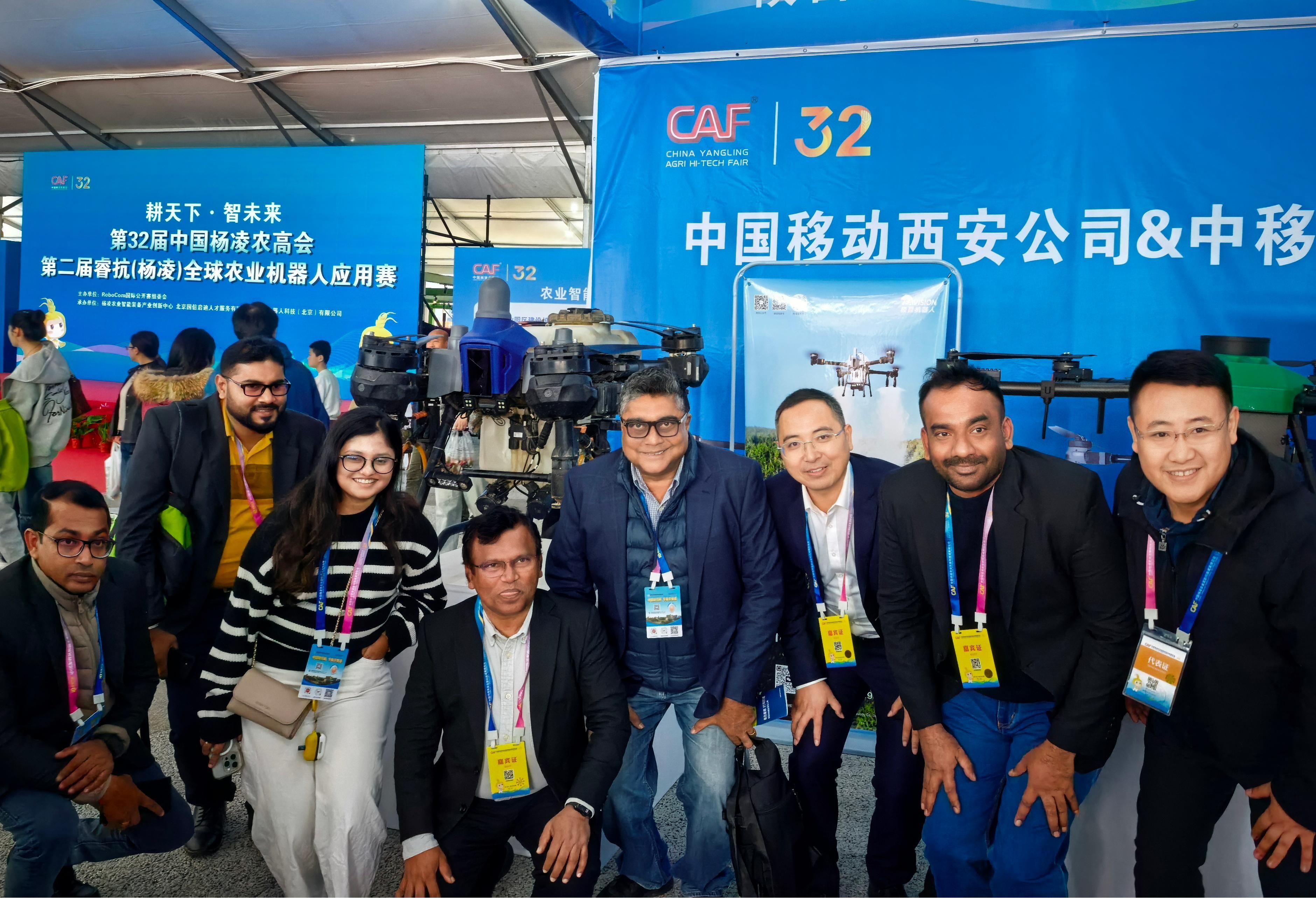
This model suits machinery, input, or technology distributors. Sell a working package, not a bare aircraft. Include training, essential spares, charging plans, maintenance, and field check-ins. The EAVISION J70 supports spraying, spreading, lifting, and field data capture, giving a dealer several jobs to discuss.
Dealer-Service Hybrid
A hybrid partner sells equipment and completes selected contract jobs. This builds field experience and lets customers buy a result before buying a drone. Price services to cover pilots, travel, batteries, refills, cleaning, maintenance, insurance, compliance, and weather delays.
Regional Partner Network
Malaysia's geography favors a network. One importer may support regional dealers, trainers, and technicians closer to customers. Clear territory rules and shared service standards prevent conflicting answers about pricing, warranty, parts, and pilot training.
How to Test the Opportunity Before You Sign
Do not begin with a large inventory order. Run a focused market test in one crop and one region. A useful first-stage plan looks like this:
- Interview 10 to 15 buyers: Include estates, contractors, cooperatives, and independent growers.
- Choose one repeatable job: Define the crop, field type, payload, and operating window.
- Run two or three measured demos: Track complete job time, coverage, battery cycles, and interruptions.
- Map the compliance path: Confirm current CAAM, pilot, payload, insurance, and local operating needs.
- Price the support promise: Calculate spare stock, training, travel, repairs, and warranty handling.
- Set a 90-day decision point: Expand only if qualified demand and service economics repeat.
The agricultural drone Malaysia dealer opportunity is real, but it rewards patient field work. Start close to customers. Prove one useful job. Build a dependable support routine. Sales are easier when growers know who will answer during the season.
Considering a Malaysian dealership? Contact EAVISION to discuss a crop-specific field demo, product fit, and local support plan.
FAQ
Do Agricultural Drones Need Approval in Malaysia?
Yes. CAAM states that unmanned aircraft operations require authorisation, and CAD 6011 Part II covers agricultural UAS operations. The exact route depends on whether the work is private or commercial.
How Much Does a UAWC Application Cost?
CAAM's current guidance lists RM800 for an annual UAWC application and RM500 for renewal. Applicants should confirm the latest fees and forms before filing.
Which Crops Offer the Best Dealer Opportunity?
Oil palm offers scale, paddy supports repeat seasonal work, and durian provides a strong case for canopy and terrain performance. The best starting crop is the one with reachable customers and a clear local service need.
Should a Dealer Also Offer Spray Services?
It can be a smart entry model. Service work builds field knowledge and lets customers test the outcome. It also adds operational, staffing, insurance, and compliance costs that must be priced correctly.
What Should a Dealer Ask a Manufacturer?
Ask about local training, parts supply, repair tools, warranty response, software support, product documentation, territory terms, and real crop references. The after-sales system should be tested as carefully as the aircraft.