Where Agricultural Drones in India Work Best?


In Cuttack, a rice field can be ready for spraying while the track beside it is still too soft for a tractor. In Uttar Pradesh, the bottleneck can be a block of mature sugarcane that takes a long time to walk through. Both are strong jobs for agricultural drones in India because flying gives the crew a way to reach the crop when ground access slows the work.
Wet paddies in Odisha make the clearest case. Closed cotton rows in Telangana and tall sugarcane in Uttar Pradesh come next. Mango orchards in Tamil Nadu and citrus orchards around Nagpur can also be a fit, especially where ground access is difficult. In fruit trees, how much spray reaches the target inside the canopy matters as much as getting the aircraft over the block.
Those crops don't grow in the same place. So let's look at five growing areas where the conditions line up, and what makes each one a fit.
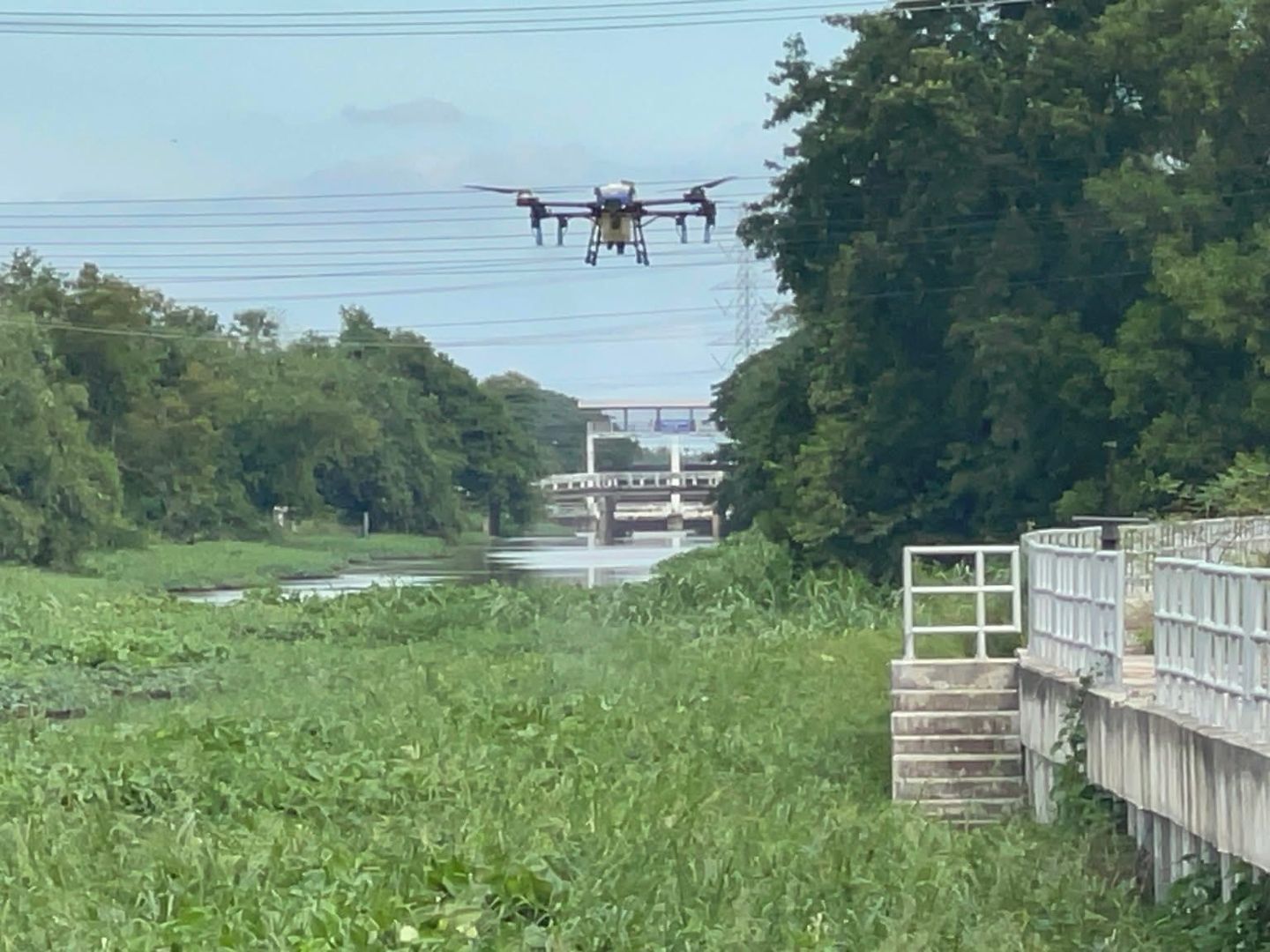
Best Areas for Agricultural Drones in India
The same drone can be a good fit in one district and a poor fit in the next. Look for a field that’s hard to reach, a treatment that needs to happen soon, and a place nearby where the crew can launch and refill. Here’s how those conditions show up in five growing areas.
|
Growing area |
Crop |
Where drones have the clearest advantage |
|
Cuttack, Odisha |
Rice |
Wet paddies that ground rigs can’t enter in time. |
|
Adilabad, Telangana |
Closed rows that slow crews down on foot. |
|
|
Uttar Pradesh cane belt |
Sugarcane |
Tall cane where ground access slows a time-sensitive pass. |
|
Krishnagiri and Dharmapuri, Tamil Nadu |
Mango |
Tight orchard rows or sloping blocks that limit ground access. |
|
Nagpur and Amravati, Maharashtra |
Citrus |
Mature orchards where ground access is difficult and aerial spray can reach the target. |
Five Growing Areas Where Drones Fit
Each of these five areas has a different reason to consider a drone. Here's how the conditions play out on the ground.
Odisha Rice Paddies
In a wet paddy, the difference between being ready to spray and being able to get into the field can be a dry strip of ground at the edge. If that strip can serve as a launch point, a drone can reach the rice while the field is still too soft for wheels. That makes the strongest case in low-lying paddies when there’s a short break in the weather and a treatment is due.
Cuttack is a good place to see how that can work across several villages. In 2022, the Indian Council of Agricultural Research's rice institute ran drone demonstrations across 108 acres in nine villages in the district. For a service crew, paddies close enough to share road access and refill points are a better fit than the same acreage spread across distant plots.
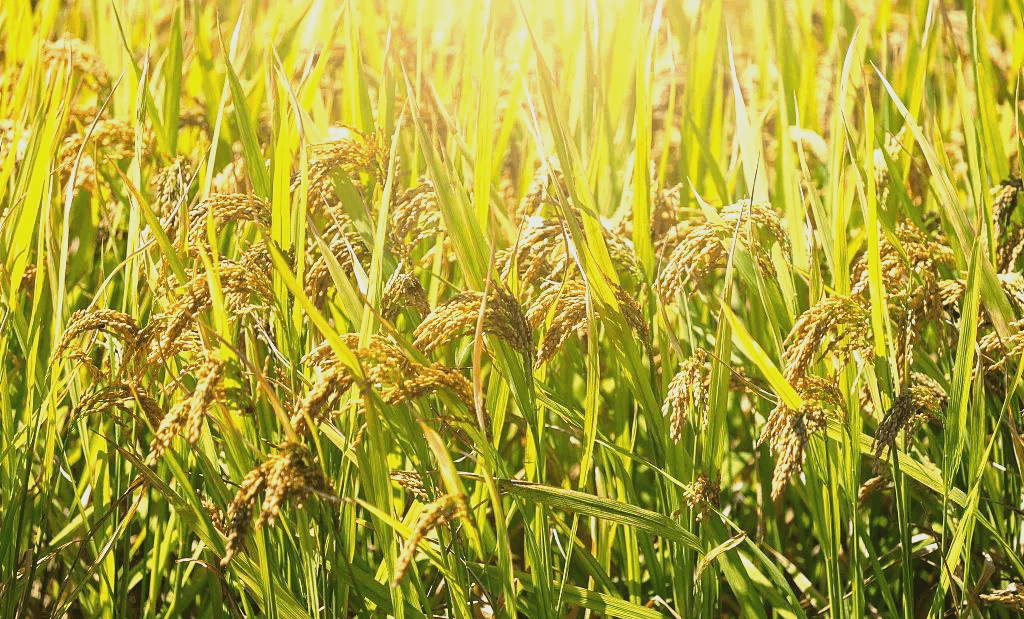
Telangana Cotton Fields
In Adilabad, the case for a drone gets stronger as cotton fills the space between rows. Early in the season, workers can move through open rows fairly easily. Later, closed rows take longer to walk, especially when neighbouring fields need attention in the same week. A drone can reach those blocks from the edge and save the crew time getting through the crop.
Adilabad has a local example. In 2024, ICAR’s dryland agriculture institute ran three cotton demonstrations across five acres in three villages. When weighing a similar job, factor in where the pest is active. A drone is an easier fit for a target near the top of the crop. A target deeper in dense foliage makes coverage more important to the decision.

Uttar Pradesh Sugarcane
The strongest case in the Uttar Pradesh cane belt is a block of tall, standing cane that needs treatment soon. When walking through the crop takes time, flying from the edge gives the crew another way to cover it. The advantage is greatest where there’s a road or firm access track beside the block. If water and batteries have to come from far away, refill time eats into the time saved in the rows.
The Indian Institute of Sugarcane Research included drone spraying in its 2024 field demonstrations in Lucknow. For a grower in the cane belt, the practical question is how much ground access slows the job. A block already reachable by a ground rig has less to gain from switching.
Related article: Agricultural Drones in Brazil: Applications in Soy and Sugarcane Farming
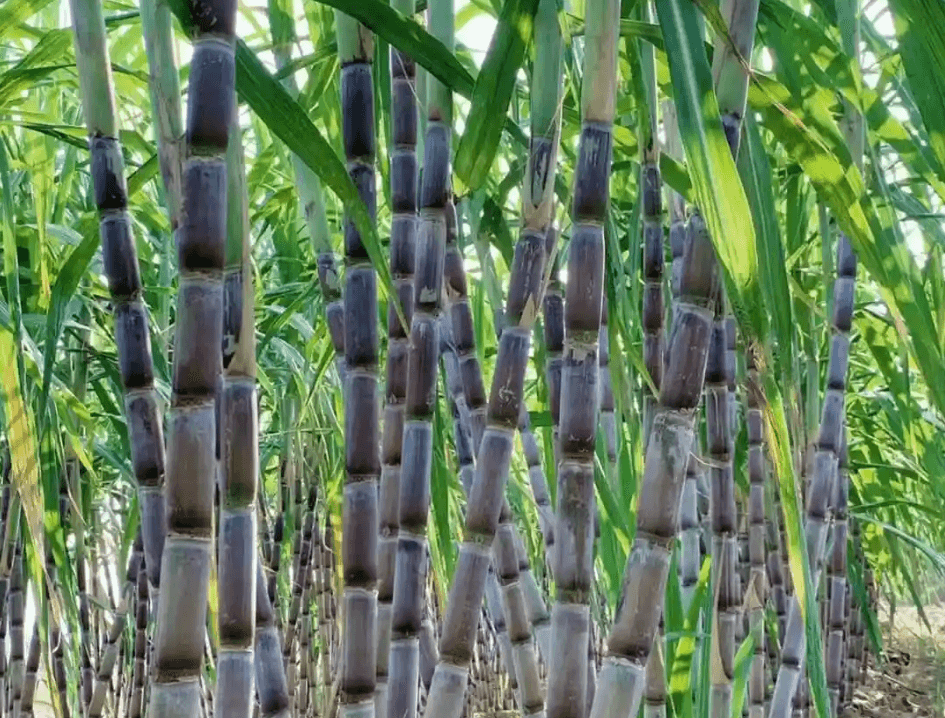
Tamil Nadu Mango Orchards
In the mango districts of Krishnagiri and Dharmapuri, drones make the most sense in blocks with tight rows or slopes that slow a ground sprayer. Tamil Nadu Agricultural University lists both districts among the state’s mango-growing areas and gives 5 metres by 5 metres as a high-density planting layout.
In tightly planted blocks, the feature that makes a drone attractive can also make spraying harder. Narrow rows can limit ground access, while overlapping branches can shelter the leaves you’re trying to reach. A low, even canopy with room to fly gives the aircraft a better chance of covering those leaves than a block with tall, interlocking crowns.
Related article: Orchard Drone Spraying Guide: Citrus, Apple, Mango, and Durian Canopy Coverage
Maharashtra Citrus Orchards
Nagpur and Amravati are part of Maharashtra’s orange-growing cluster. The best candidates are orchards with a clear route over the rows and a reason to avoid ground traffic, such as tight access or soft tracks after rain. An open flight path makes those rows easier to reach. Coverage gets harder as the canopy thickens, especially when the target sits inside the tree. That’s why two mandarin blocks in the same district can be very different jobs.

Where Drone Services Make Sense
Crop and terrain tell you where a drone can help. The spacing between fields tells you whether a crew can make a day of it. In an area with several farms growing the same crop, fields at similar stages often need attention around the same time. A farmer producer organisation or custom hiring centre can group those jobs so the crew spends more of the visit spraying and less time travelling between villages.
- Nearby paddies. If several growers need a pass in the same dry window, shared road access and refill points make it easier for one crew to serve them.
- Cotton or cane blocks. Dense rows give the drone a reason to be there. Good access to the field edge helps the crew keep moving between loads.
- Orchards with clear flight paths. Blocks with a reachable target and clear rows make better candidates than orchards where a crew would have to skip much of the acreage.
For a small farm, the nearby fields on the crew’s route can matter as much as the size of your own plot. Grouping visits can spread a minimum charge over more acres. The same acre count on scattered plots can take longer and cost more.
If you're weighing a drone for your own block, take a look at our agricultural drone range. And if you're building a local spraying service around grouped visits, we'd be glad to talk through the dealer route with you.
FAQs
Where Are Spray Drones Most Useful in India?
Wet rice fields in places like Cuttack are a strong fit when tractors can’t get in, and a drone can launch from firm ground. Tall sugarcane and closed cotton rows also make sense when ground access would delay treatment.
Can Drones Work on Small Indian Farms?
Yes. Small plots are easier to serve when neighbouring farms need the same treatment around the same time. A shared route spreads travel and setup across more acres.
Why Use a Drone in Tall Sugarcane?
An aircraft can cover the rows from above, which saves a crew from walking through tall stalks. That advantage is strongest when there’s firm space beside the block for takeoff and refills.
Where Do Orchard Spray Drones Fit Best?
Look for tight or sloping orchard blocks that are difficult to reach from the ground but have a clear flight path. The spray still has to reach the leaves or branches where treatment is needed.
When Is Ground Spraying a Better Fit?
On dry, accessible land, a ground rig can be the better choice if it can reach the target and finish within the spray window. Compare the area each crew can cover and the total cost of the job.