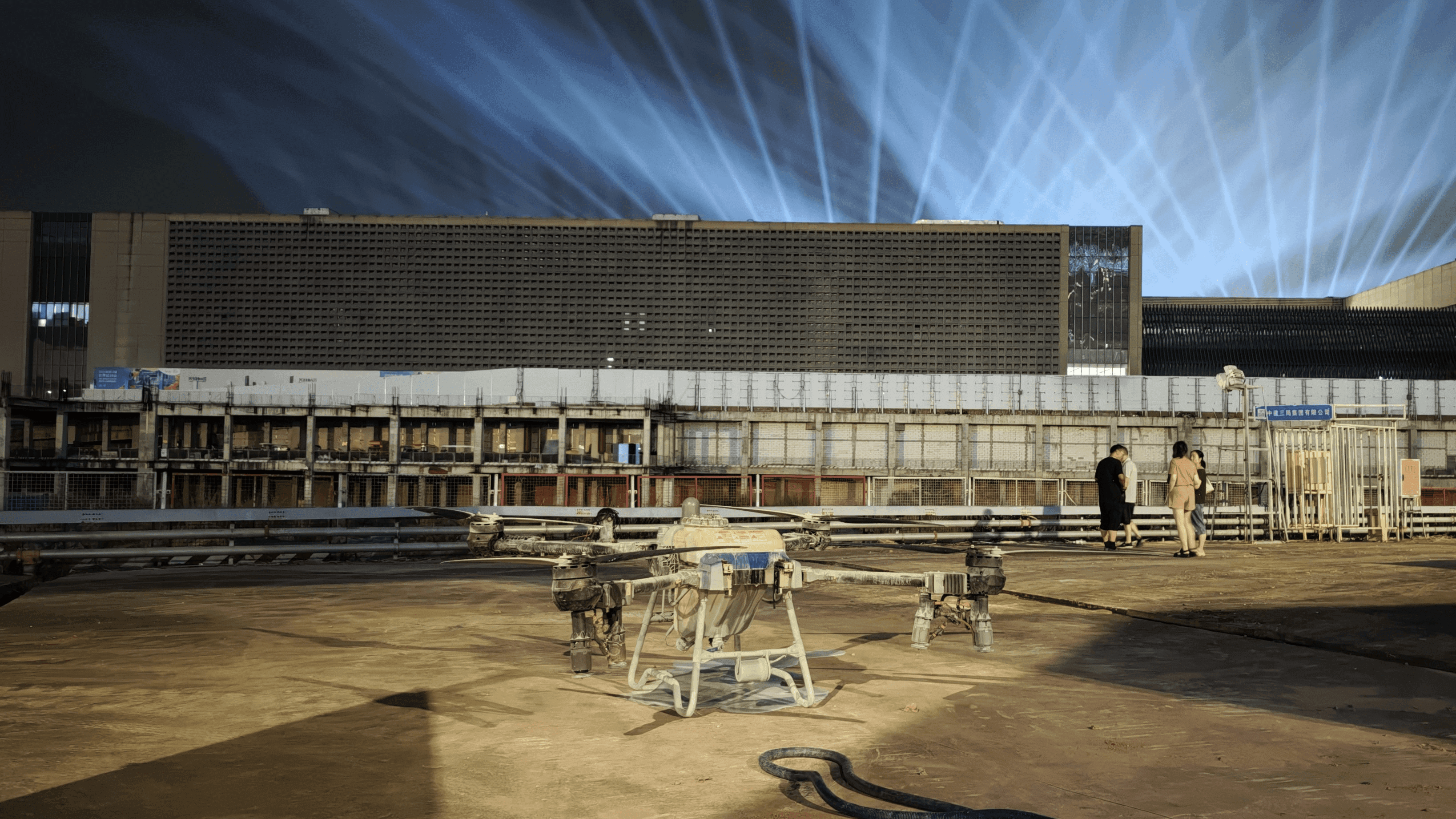
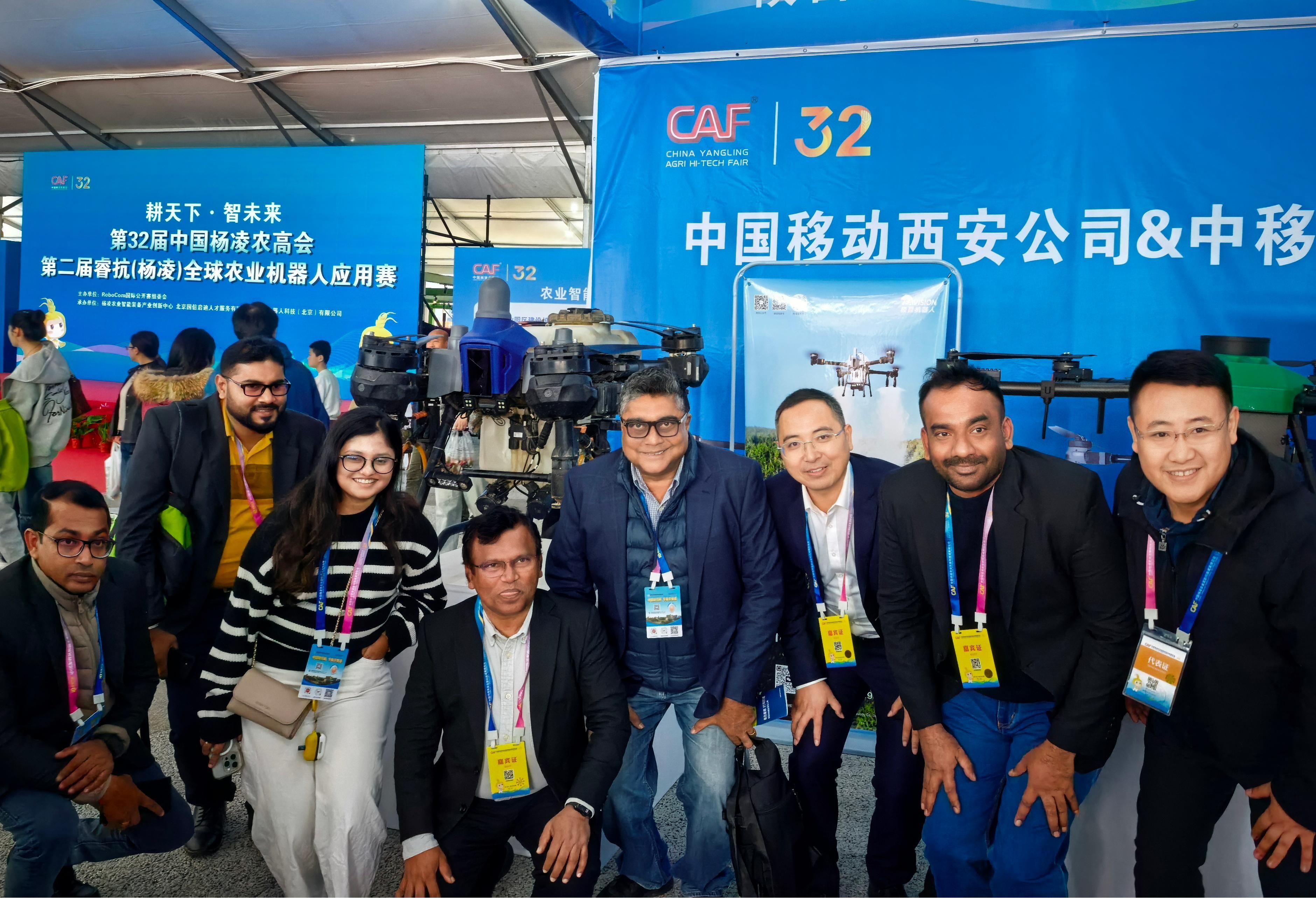
Best Agricultural Drones of 2026: Specs & Performance Compared


The best agricultural drone in 2026 isn't the one with the flashiest spec sheet. It's the one that actually works when you're staring down 800 hectares of uneven terrain, your crew is thin, and the weather window is closing fast.
Here's what we see defining the best spray drones this year.
The Ag Drone Market in 2026: What's Changed
The farming and agriculture drone market grew from $5.83 billion in 2025 to $6.23 billion in 2026, with continued growth forecasted at a CAGR of 7.98%. More than 600,000 DJI agricultural drones alone are now deployed across 100+ countries. But here's the thing: market size doesn't tell you which drone to buy.
What truly sets the best agricultural drones in 2026 apart is their ability to think, not just fly. AI systems now handle real-time terrain adaptation, crop row detection, and obstacle avoidance without pilot input. Tank capacity has jumped. Charging cycles have shrunk. And for growers in Latin America, Southeast Asia, and parts of Africa, terrain-following capability is often a necessity rather than an optional feature.
What Actually Matters When Choosing a Spray Drone
Before we compare models, here's what we'd tell any buyer to focus on:
- Tank capacity & flow rate: Bigger tanks mean fewer refills. A 70L tank vs. a 35L tank can cut your stops in half on large plots.
- Charge time vs. flight time: If your battery takes 30 minutes to charge but only flies 10, you're spending more time on the ground than in the air.
- Obstacle avoidance: Flat open fields? Less of a concern. Orchards, hillsides, power lines? Non-negotiable.
- Droplet control: One fixed droplet size doesn't work across rice paddies and citrus orchards. You need adjustable atomization.
- Multi-function capability: Spraying, spreading, lifting, and mapping in one platform saves you from buying 3 separate machines.
Head-to-Head: Top Agricultural Spraying Drones of 2026
Let's cut to the numbers. Here's how the leading crop spraying drones compare on specs that actually affect your daily output:
|
Spec |
DJI Agras T100 |
DJI Agras T50 |
||
|
Spray Tank |
70 L |
35 L |
100 L |
40 L |
|
Max Flow Rate |
40 L/min |
24 L/min (4 nozzles) |
40 L/min |
~16 L/min |
|
Effective Spray Width |
15 m |
10 m |
5–13 m |
~7.5 m |
|
Droplet Size |
10–300 μm |
10–300 μm |
50–500 μm |
50–500 μm |
|
Spreading Payload |
80 kg |
50 kg |
100 kg |
50 kg |
|
Charge Time (30–95%) |
9 min |
9 min |
8–9 min |
~9 min |
|
IP Rating |
IPX6K (drone) / IP67 (modules) |
IPX6K / IP67 |
IP67 |
IP67 |
|
MTOW |
149.9 kg |
~115 kg |
175 kg |
~99 kg |
Note: DJI specs sourced from publicly available 2025–2026 product pages and third-party reviews.
Related article: EA-J150 vs DJI T50: Which Agricultural Spraying Drone Is Better for Your Farm?
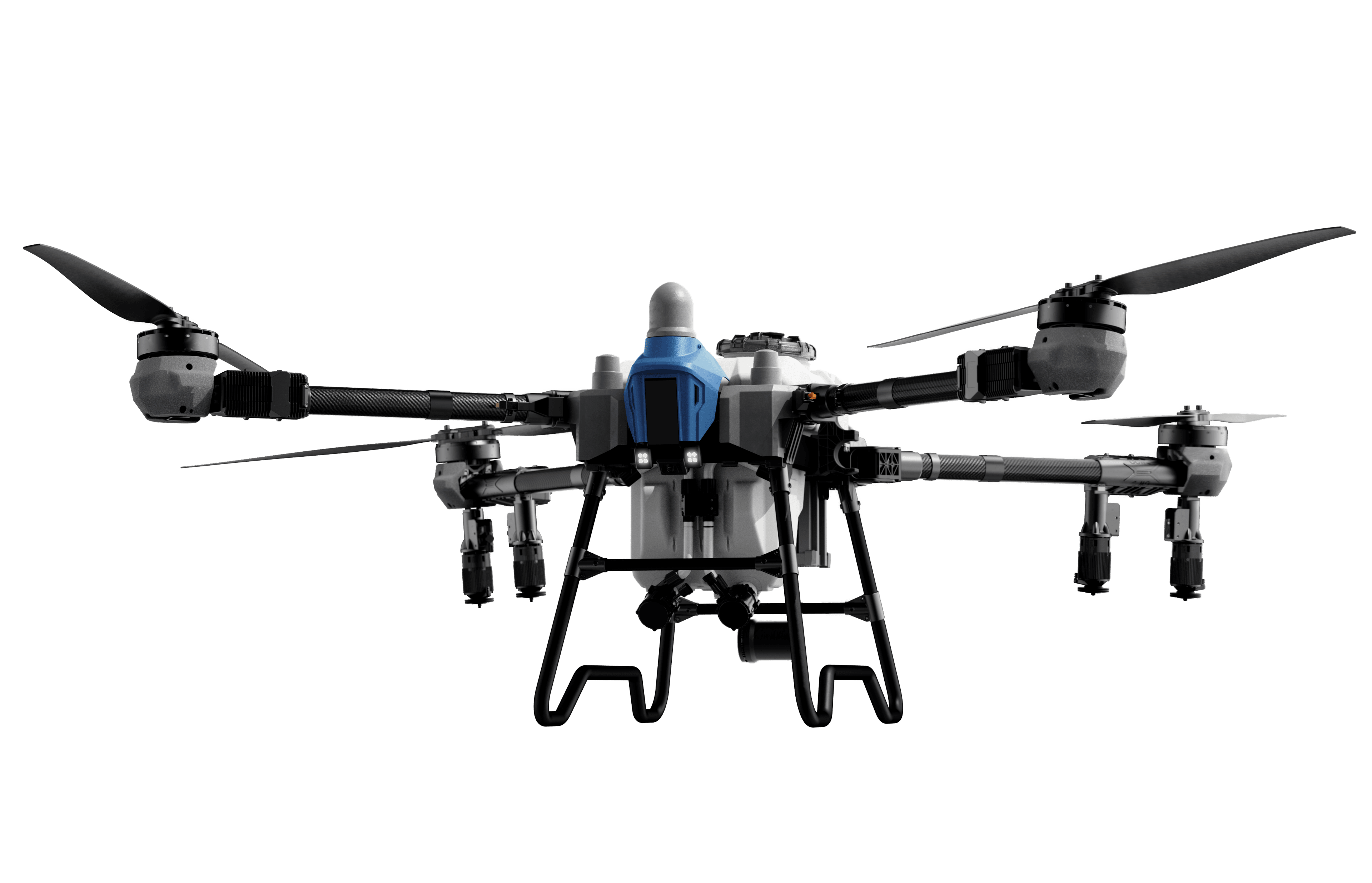
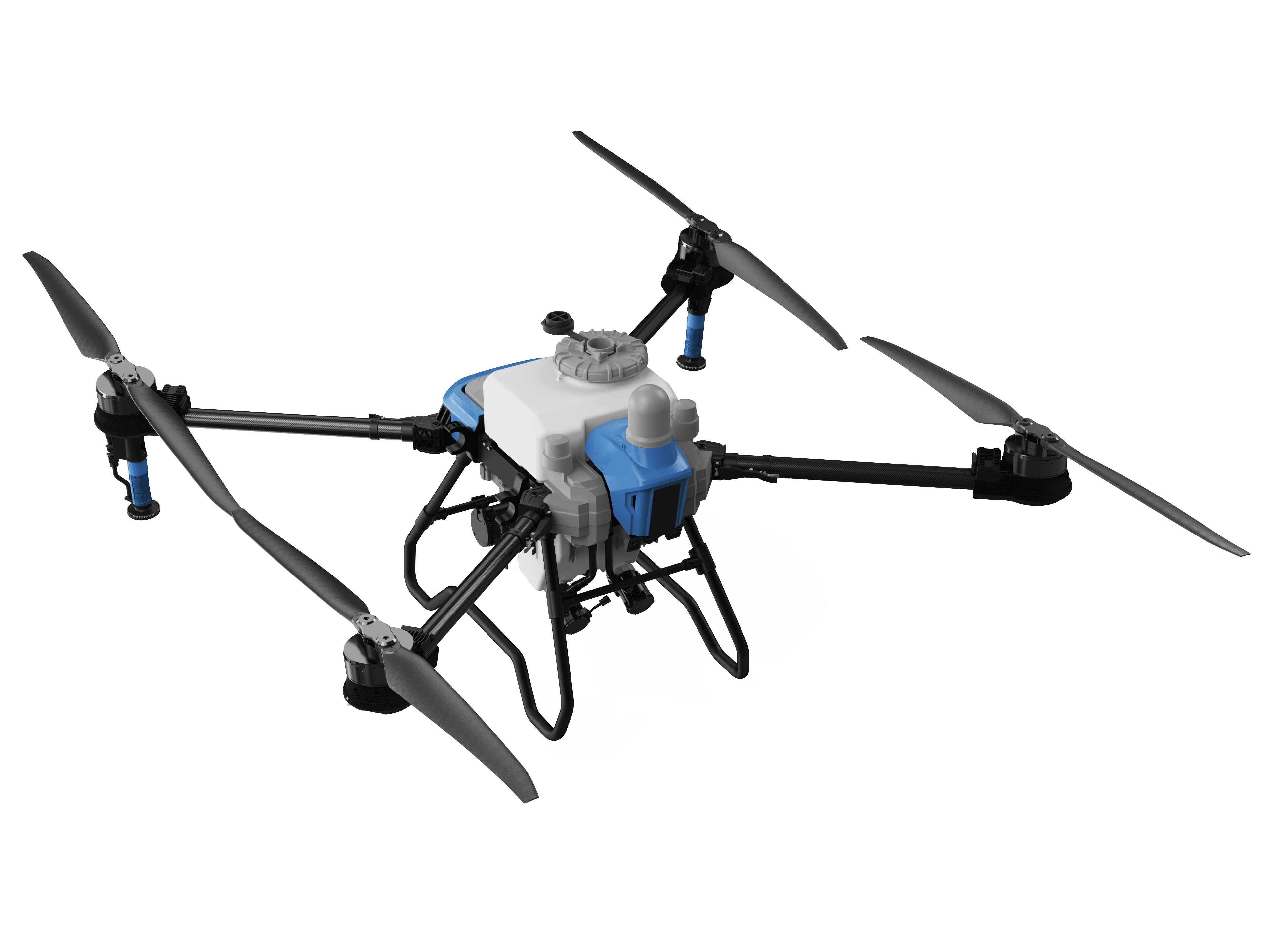
Matching the Right Drone to Your Operation
Large row-crop farms (500+ acres): The J150 or DJI T100 are your shortlist. The J150 gives you the wider 15 m spray width and stays under 150 kg. The T100 carries more liquid but brings heavier regulatory requirements.
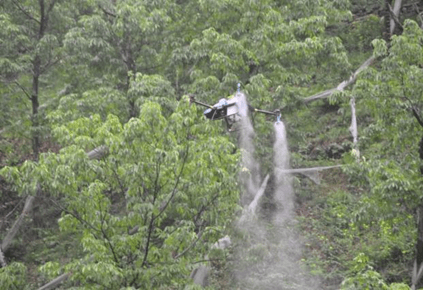
- Orchards and hillside terrain: This is where the J150's autonomous obstacle avoidance and 180° escape maneuver really earn their keep. Night-flight mode detects power lines without manual marking, which is a major advantage for mountain and orchard operations.
- Spray service businesses scaling a fleet: The J70 is tough to beat on cost-per-acre. A 35L tank handles most jobs, and you can add the 70L hopper for spreading work. Pair two or three J70s with a single charging station and you're running all day.
Conclusion
The best agricultural drone in 2026 depends less on headline specs and more on how well the platform fits your actual field conditions, crop types, and operating scale. For some operations, maximum payload matters most. For others, terrain-following accuracy, obstacle avoidance, fast charging, or multi-function flexibility will have a bigger impact on daily productivity.
If you're evaluating options for your farm or distribution business, contact us to learn which EAVISION platform best matches your operational needs.
FAQs
What is the best agricultural spraying drone for large farms in 2026?
For farms over 500 acres, the EAVISION J150 and DJI Agras T100 are the top contenders. The J150 offers a 70L tank and 15 m spray width while staying under the 150 kg MTOW limit, reducing regulatory burden. The T100 carries 100L but at 175 kg MTOW, it requires additional flight approvals in most countries.
How much can a spray drone reduce chemical costs?
Using a spray drone can save money by reducing chemical use by 30–50%, thanks to its precision application. Adjustable droplet sizes and GPS-guided flight paths cut overlap and drift, which adds up fast across a full season.
What's the difference between the EAVISION J150 and J70?
The J150 is built for large-scale operations with a 70L tank, 80 kg spreading capacity, and 15 m spray width. The J70 is a lighter, more portable option with a 35L tank, 50 kg spreading payload, and the option to swap to a 70L hopper. Both share 9-minute charging, night-flight capability, and 10–300 μm adjustable droplets.
Do I need a special license to fly an agricultural drone?
In the U.S., commercial spray operations require FAA Part 107 certification and a Part 137 agricultural aircraft operator certificate. Drones over 55 lbs (like the DJI T100 at 175 kg MTOW) fall into the FAA Section 44807 exemption category, which adds extra steps. Lighter platforms under 150 kg typically have a simpler approval path. Check local regulations in your country before purchasing.