How to Become an Agricultural Drone Dealer: What to Look For in a Manufacturer


If you're looking to become an agricultural drone dealer, your timing is hard to beat. The agriculture drone market is set to grow from $2.63 billion in 2025 to $10.76 billion by 2030, with a CAGR of 32.6%. This is not a gentle upward trend, but a sprint. And the dealers who lock in the right manufacturer partnerships now will be the ones eating market share for the next decade.
But here's the thing: not all agricultural drone dealer programs are created equal. The manufacturer behind your product line will make or break your business. So before you sign anything, let's walk through what actually matters.
The Growing Global Market for Agricultural Drones
Rising food demand, labor shortages, and the push for more sustainable farming are all driving the adoption of drone technology worldwide.
- North America alone is projected to account for roughly 35% of global market revenue in 2025, thanks to early adoption of precision farming and strong institutional support.
- And it's not just North America. Asia Pacific is the fastest-growing region, expected to expand at a CAGR of 23% from 2025 to 2032, fueled by government subsidies and rising food demand.
- Latin America, Southern Europe, and South Africa are all picking up speed, too. Brazil's large-scale sugarcane, soybean, and corn operations are already benefiting from variable-rate spraying.
For anyone exploring a spray drone dealership or ag drone distribution business, the demand side of the equation is answered. The real question is supply: who do you partner with?
What Makes a Good Manufacturer Partner?
1. A Product Line Built for Real Field Conditions
Forget flashy specs on paper. You need drones that can handle hilly terrain, dense canopies, and unpredictable weather.
Look for a manufacturer whose machines are designed for multiple crop types: rice, wheat, citrus, cotton, and sugarcane. If the product line can only handle flat grain fields, you're leaving money on the table in fruit and commercial crop markets.
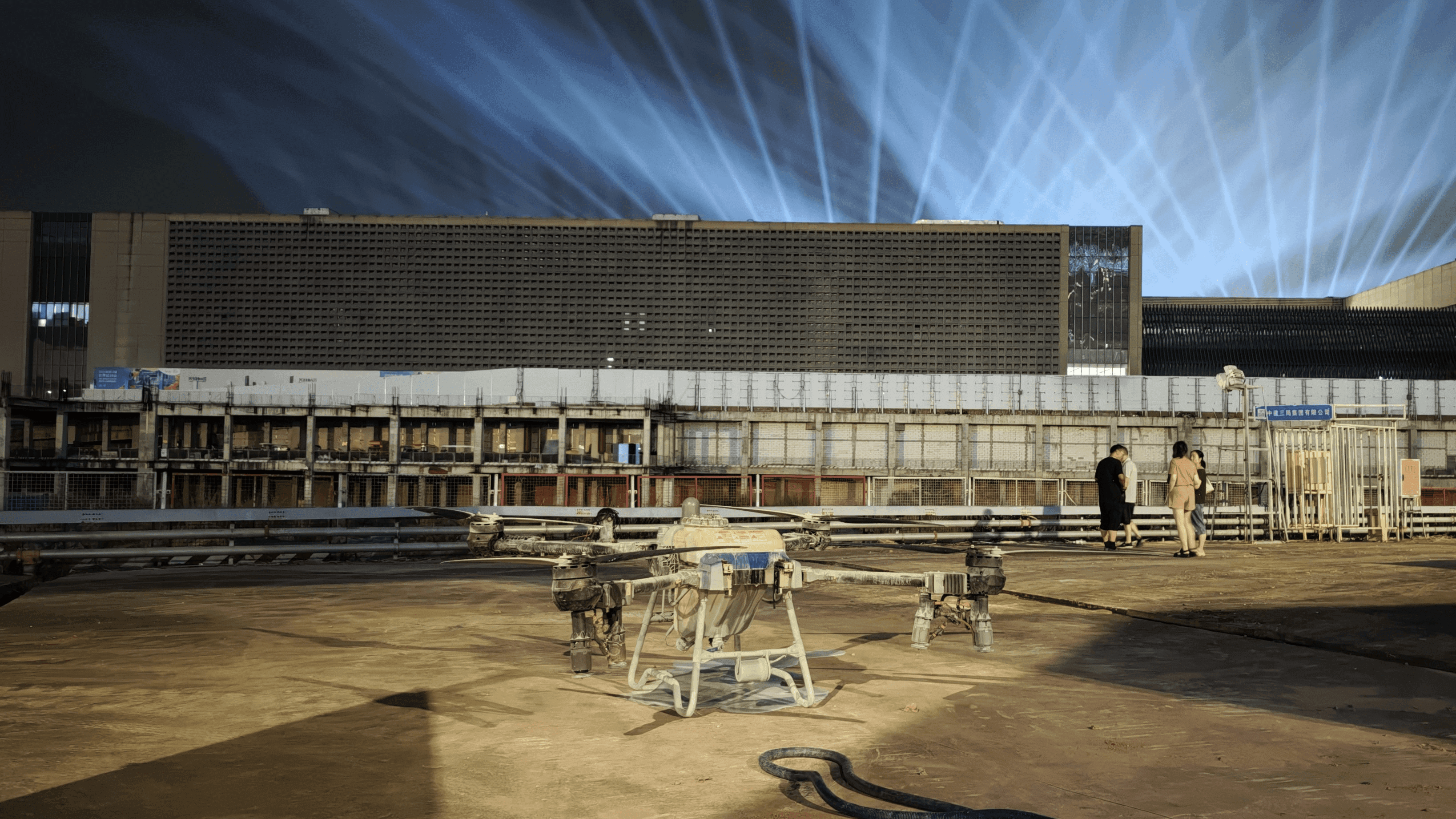
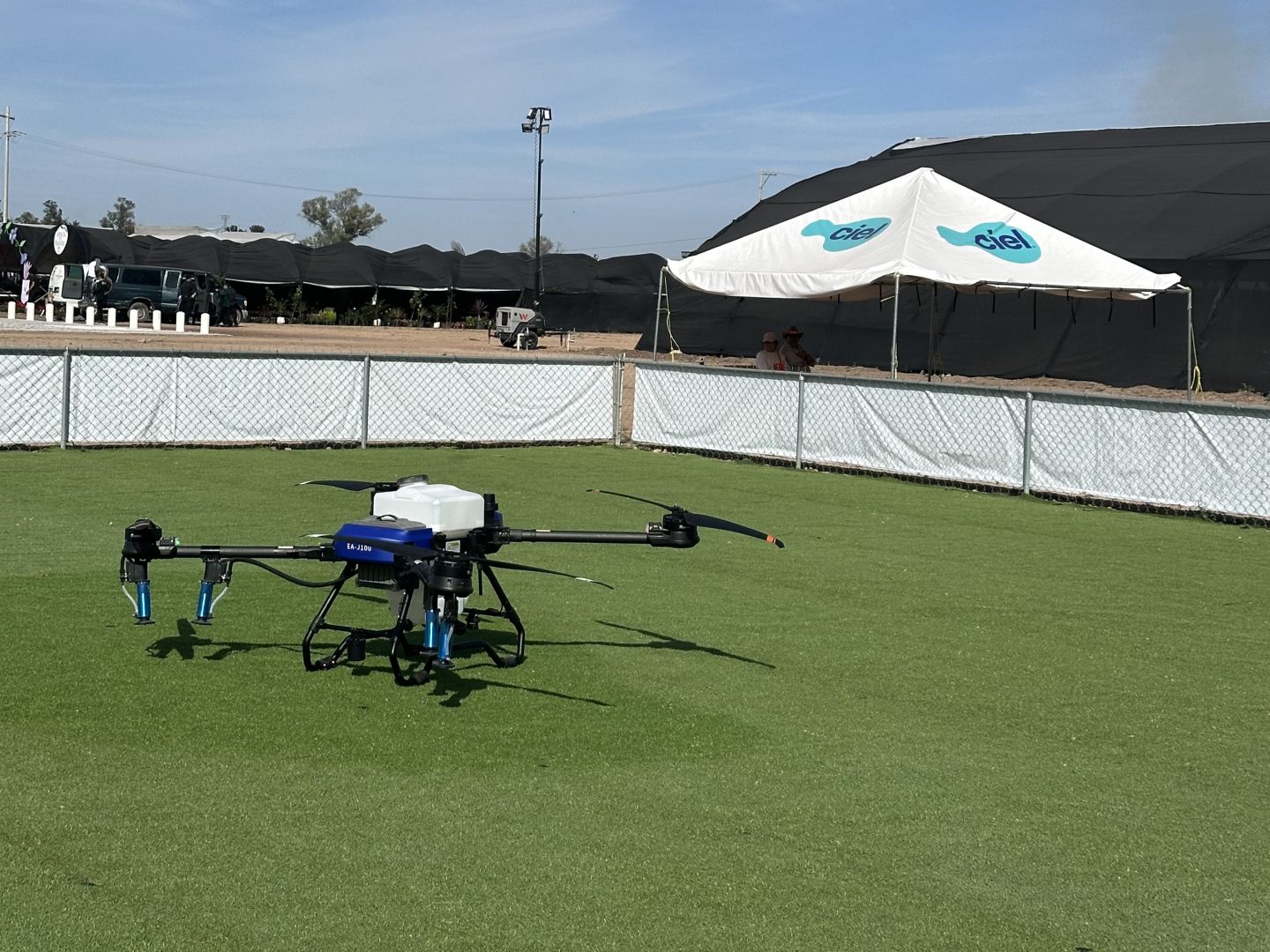
At EAVISION, for example, the product range spans from the EA-J70, designed for efficient solo operation, to the EA-J150, which handles autonomous terrain-following and canopy-following flight. Their drones cover grain crops, fruit crops like citrus and apples, and commercial crops like cotton and tea.
That kind of versatility gives you, as a dealer, more doors to knock on.
2. Proven Global Track Record
A manufacturer operating in multiple countries demonstrates stability and reliability. Unlike a small, local startup, an established global manufacturer has experience navigating logistics, compliance, and local market requirements.
Why does this matter to dealers? Because partnering with a company that has a proven international presence means you can focus on sales and service, rather than solving operational and regulatory challenges yourself.
3. Training, Certification, and After-Sales Support
This is where most agricultural drone dealer programs fall apart. A manufacturer might sell you hardware at great margins, but if your customer's drone goes down mid-season with no parts or support? That's your reputation on the line.
Ask any potential manufacturer these questions:
- Do they offer structured dealer training?
- Is there a dedicated after-sales support channel?
- Can they supply replacement parts to your region fast enough?
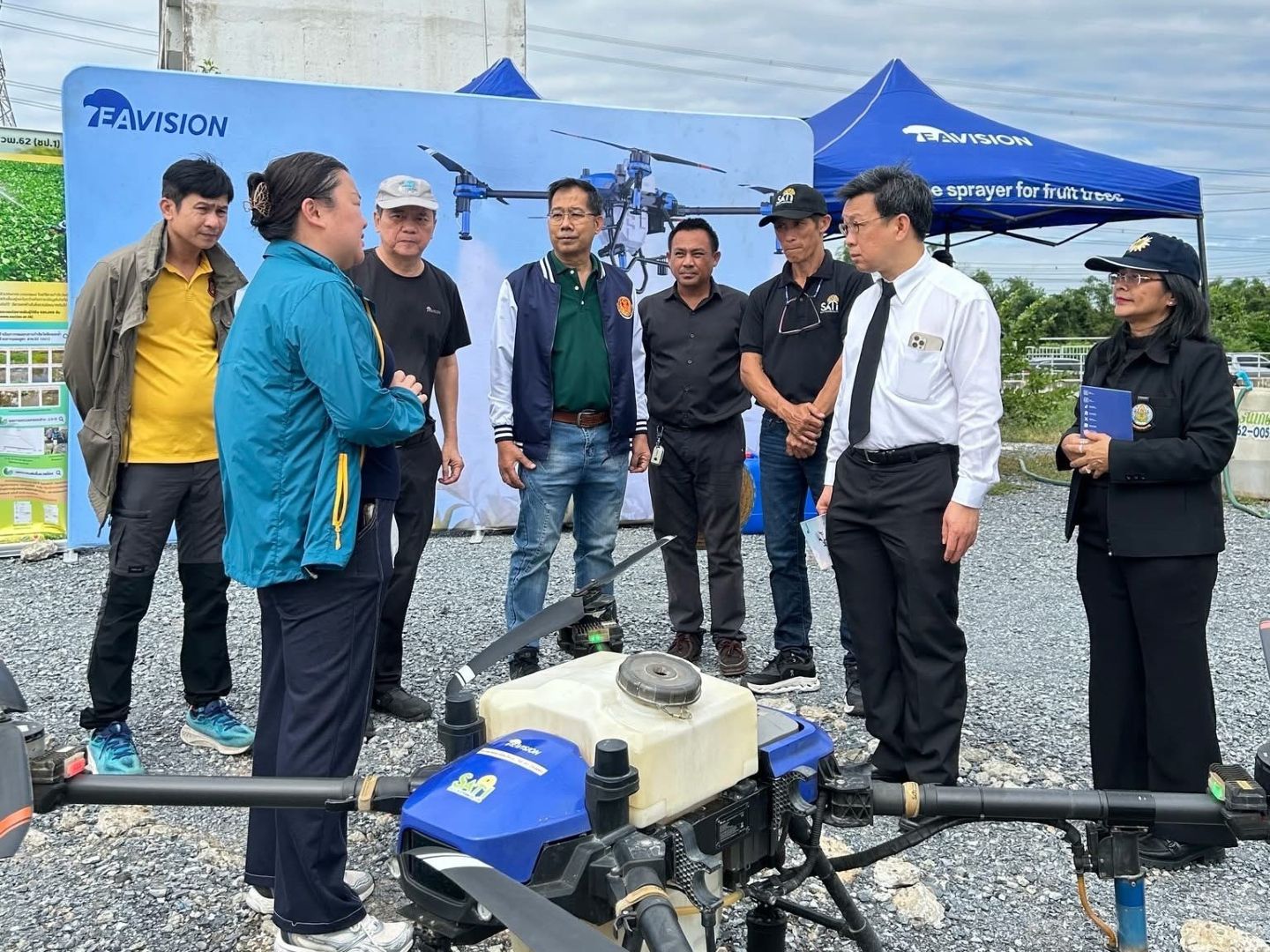
EAVISION runs a dedicated after-sales service and a partner training program. You can easily fill in your information to submit a dealer application.
4. Technology That Holds Up Against Competitors
Modern agricultural drones often feature advanced vision systems and AI-based autonomous controls. Key differentiators include the ability to navigate complex outdoor environments and adjust spraying based on real-time crop and terrain data.
In practical terms, these drones, like EAVISION J150, reduce manual labor and injury risk while increasing operational efficiency. Improved spraying accuracy can boost crop yields and lower overall chemical use.
When you're selling to farm operators and ag service businesses, this kind of real-world performance data closes deals.
Conclusion
The agricultural drone market is projected to reach significant growth by 2030, making now the perfect time to enter. When evaluating potential partners, focus not just on hardware specs, but on multi-crop versatility, a proven global track record, and strong dealer support. After-sales infrastructure and training quality are critical, as they ensure long-term success and repeat business. For anyone serious about building a precision agriculture dealership, start with a careful manufacturer evaluation. With the right partner, everything else, including sales, operations, and growth, falls into place.
FAQs
What qualifications do I need to become an agricultural drone dealer?
Requirements vary by manufacturer and region. Most programs look for businesses with agricultural industry experience, a regional sales network, and the ability to provide basic technical support. Some regions also require local business licensing or UAV-related certifications.
What margins can agricultural drone dealers expect?
Margins differ by brand and product tier, but ag drone dealers generally see healthy returns, especially when bundling hardware with accessories, training, and service plans. The growing demand for drone-as-a-service (DaaS) models also opens recurring revenue streams beyond one-time hardware sales.
Which regions have the most demand for agricultural drones right now?
North America accounts for approximately 35% of global market revenue. Asia Pacific is the fastest-growing region. Latin America, especially Brazil, is also surging, with local agribusiness representing 25% of Brazil's GDP. Southeast Asia, Southern Europe, and South Africa are all emerging opportunities.
Why should I consider EAVISION over other drone manufacturers?
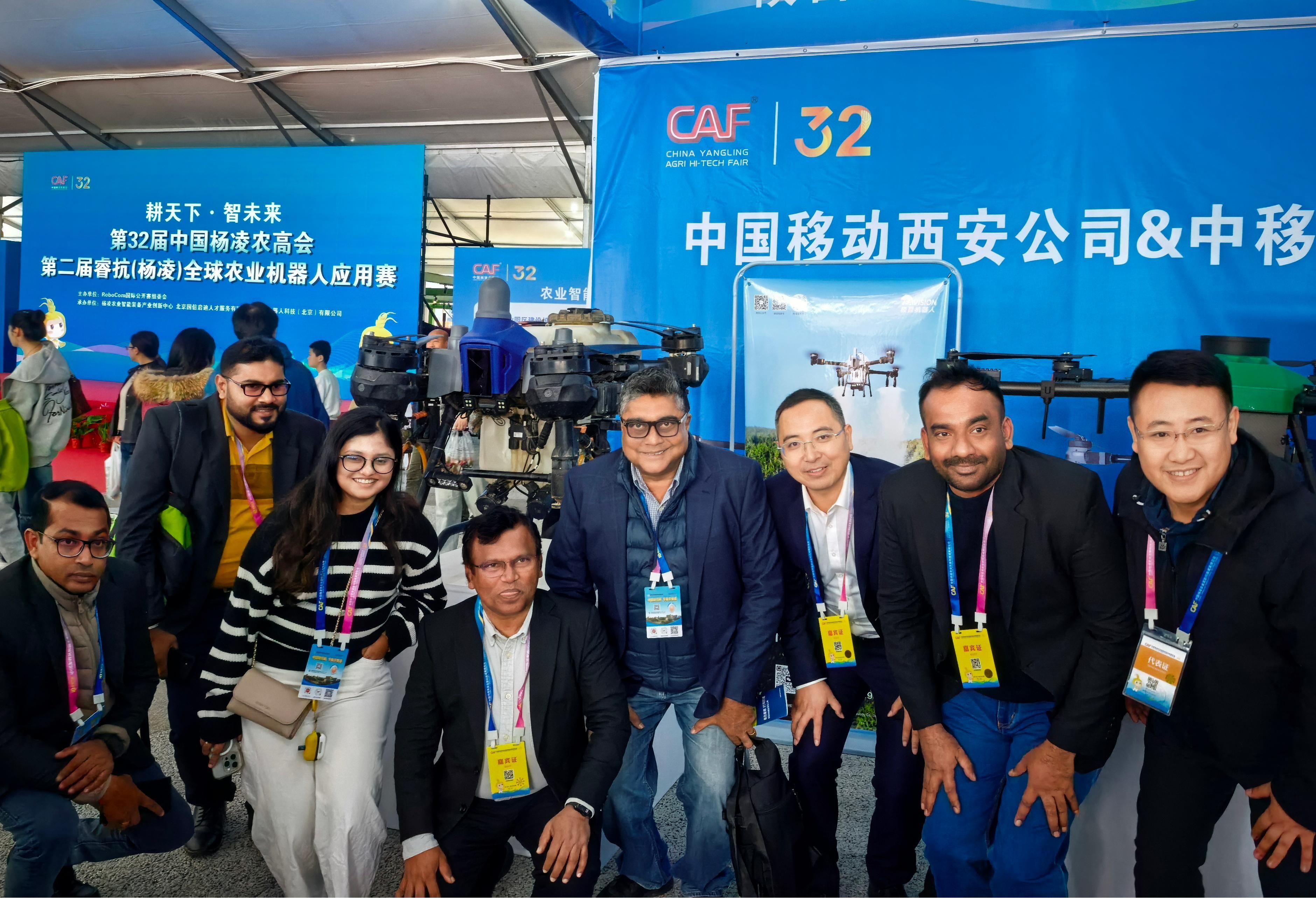
EAVISION operates across 36 countries with 3 R&D centers, 2 production facilities, and over a decade of experience. Their product line covers diverse terrain and crop types, their AI-powered autonomous systems handle unstructured environments that other drones can't, and they offer a formal dealer partnership program with structured onboarding. For dealers who want a long-term brand to grow with, that's a strong starting point.