Agricultural Drones in Southeast Asia: Which Crops Drive the Fastest ROI?


If you're exploring the agricultural drone Southeast Asia market right now, you're not early, but you're not late either. You're right on time. Agriculture is the fastest-growing drone segment in Asia-Pacific, accelerating at a 16.32% CAGR through 2030. And the region's mix of labor shortages, diverse terrain, and high-value export crops makes it one of the best places on the planet to see real payback from drone spraying.
But not all crops are created equal. Some return your investment in months. Others take a couple of seasons. Here's the breakdown crop by crop, so you can figure out where to invest first.
Rice: The Volume Play
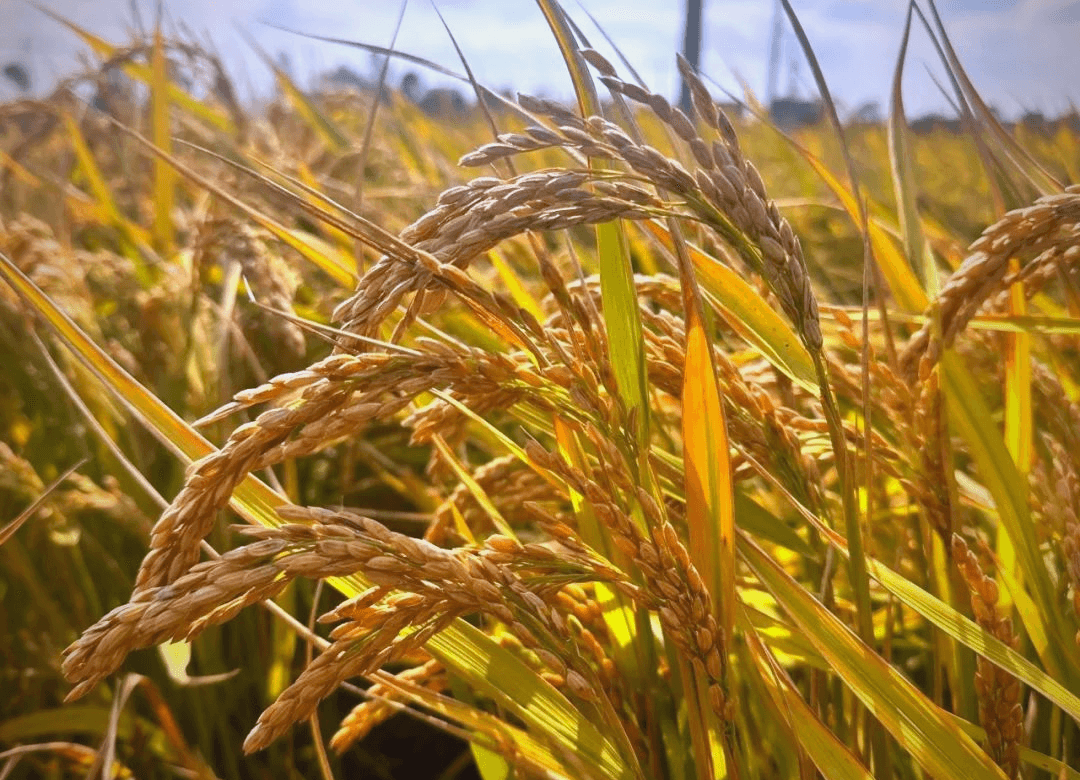
Rice is the entry point. Thailand alone has 10.6 million hectares of rice and 2.6 million hectares of sugarcane, which are the two largest crop segments using drones for crop management. Vietnam is the world's second-largest rice exporter, and Indonesia's rice belt is attracting major drone partnerships.
The ROI math on rice drone spraying in Thailand is straightforward:
|
Metric |
Manual Spraying |
Drone Spraying |
|
Daily coverage |
<10 rai |
40–50 rai |
|
Chemical use |
Baseline |
40% less |
|
Production loss |
Baseline |
10–15% lower |
Drones can reduce production losses by 10–15% and decrease chemical use by 40% compared to conventional methods due to more precise spraying. For rice farms running tight margins, that chemical savings alone can shave months off your break-even.
In our experience, rice is where most Southeast Asian operators start because the acreage is massive, and charging per rai creates a highly scalable service model. Thai drone pilots charge around 100 baht (about $2.83) per rai of land, and they're earning more than they did in city jobs. That tells you something about the demand.
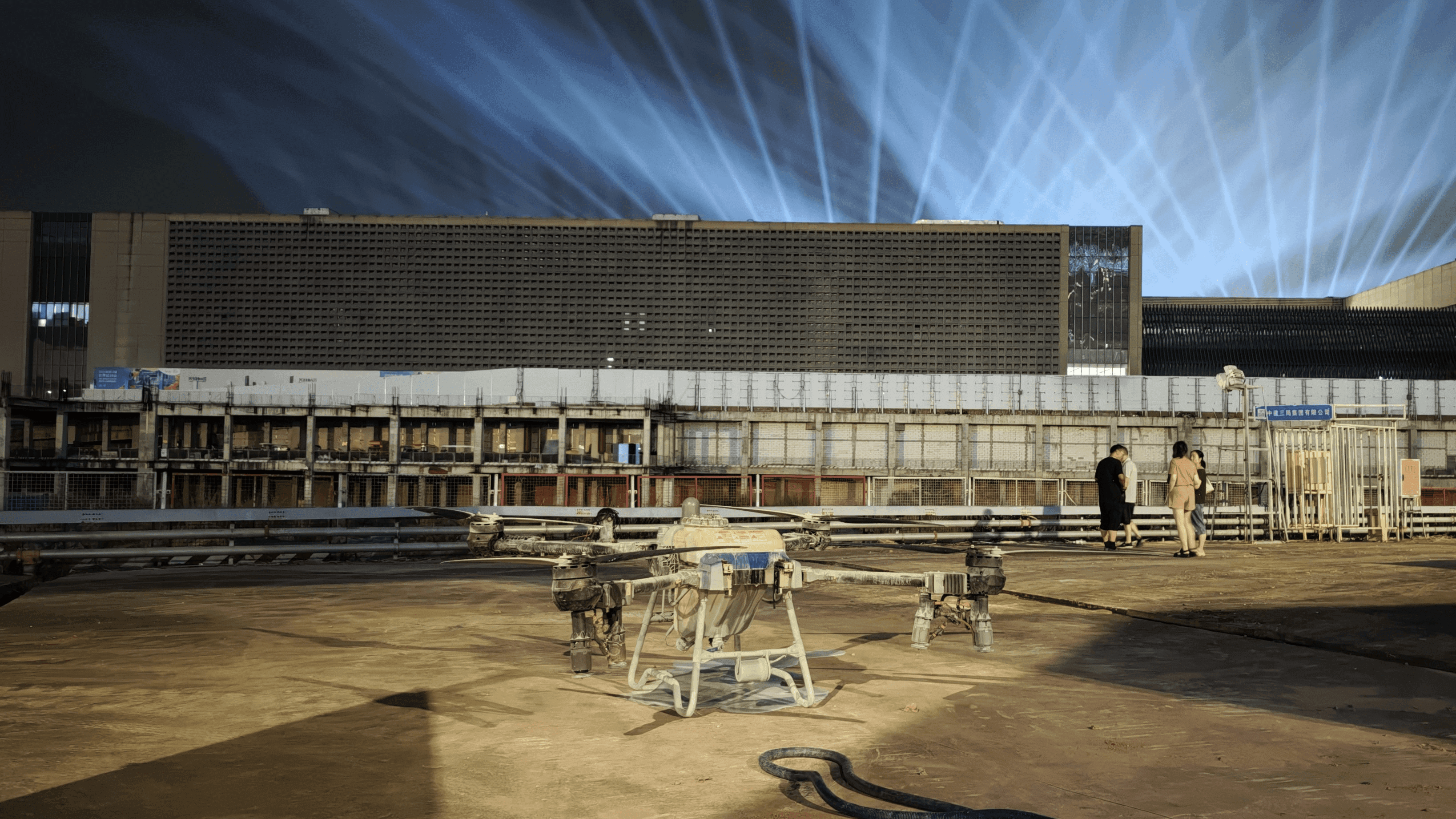
Our EAVision EA-J70 is a solid fit for operators running solo rice missions because it is compact enough for paddy fields and smart enough to handle autonomous flight operations.
Durian and Fruit Crops: Where the Real Money Is
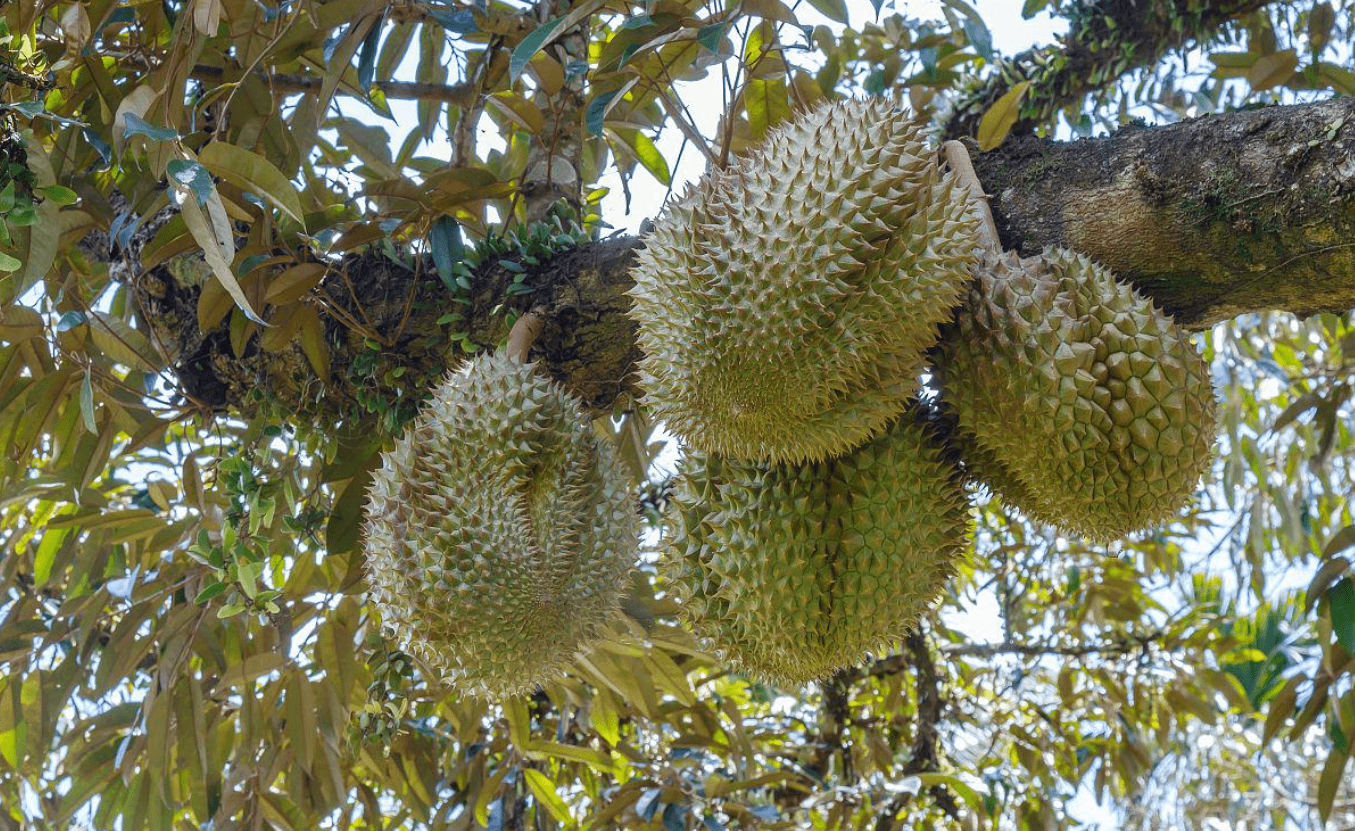
If rice is the volume play, durian is the profit play. Thailand's production of durian stands out as the highest in the world.
But durian orchards are tough to spray manually. Tall canopies, hilly terrain, and rainy seasons. It takes about 4 days to manually spray a 90-rai durian orchard, while a drone accomplishes the same task within 1–2 days. Agricultural drones can reduce chemical usage by 20–30% for the same area.
Our EAVision drones feature adjustable droplet sizes from 10 to 300 μm and canopy-following flight, which helps the spray reach deep inside the tree crown where pests typically hide. You can explore real-world results on our case studies page.
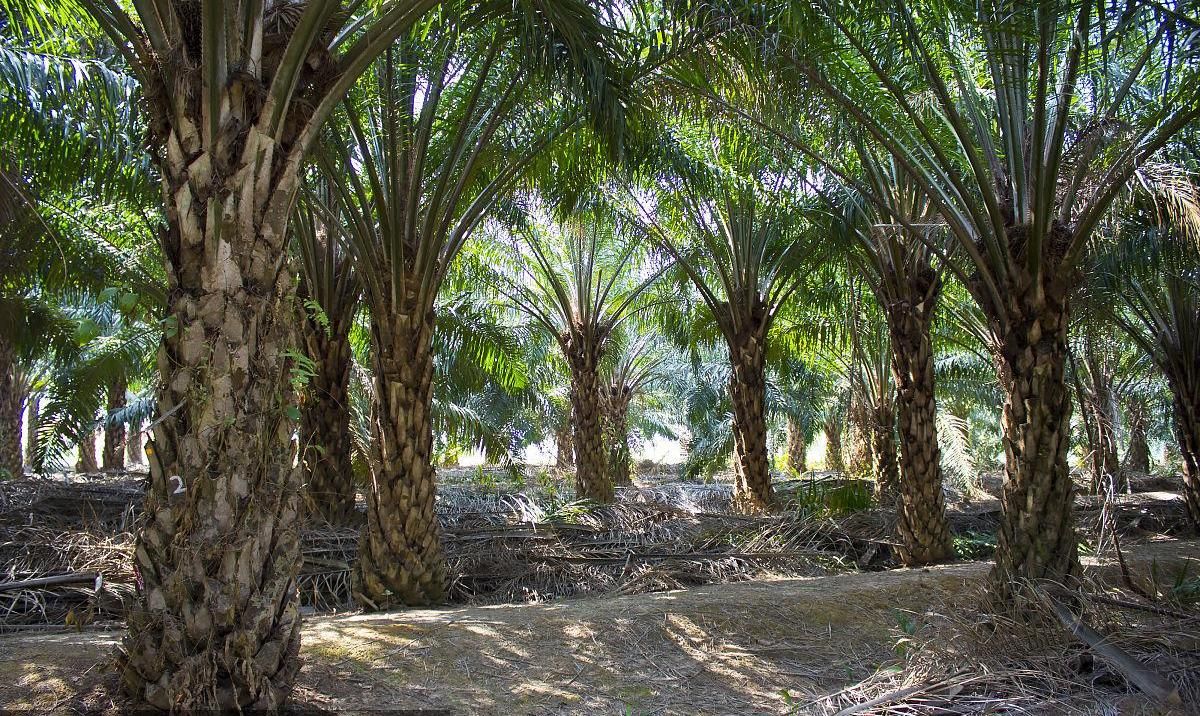
Palm Oil: Pest Control at Plantation Scale
Southeast Asia produces over 85% of the world's palm oil. Palm weevils can cause up to 80% yield loss over two years in infested areas. That's not just a minor operational issue. For plantation operators, it can become an existential challenge.
Manual pest control means one worker carrying a 16L knapsack sprayer, treating palms one at a time. With a shortage of manpower in the industry, there's high demand for large-scale UAV service providers. Drone-based crop protection cuts response time from weeks to days and covers hundreds of hectares per operator.
Companies are already deploying drones across thousands of hectares for bagworm control in Indonesian and Malaysian palm plantations, combining precision spraying solutions with tailored pesticide management.
Sugarcane: Precision That Boosts Sugar Yields
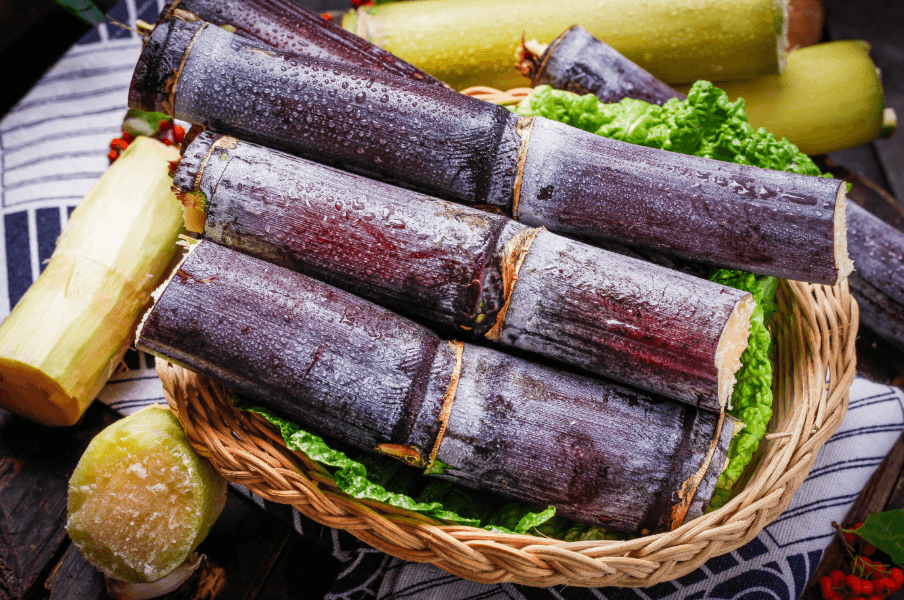
Sugarcane rounds out the Southeast Asian ROI picture. Thailand is among the top sugarcane-producing countries globally, alongside Brazil, India, and China. And the payback here isn't just about labor savings. It's also about protecting yield.
Trials showed drone intervention increased sugar yields by 0.21 to 1.78 tonnes per hectare. When sugar purchase prices are based on recoverable crystal content, more uniform ripener application means a direct bump to your revenue per hectare. Pretty solid.
Quick-Reference ROI Comparison
|
Crop |
ROI Speed |
Key Driver |
Typical Payback |
|
Rice (paddy) |
Medium-fast |
Volume + repeat cycles |
1–2 seasons |
|
Oil Palm |
Fast |
Pest loss prevention |
Under 12 months |
|
Sugarcane |
Medium-fast |
Ripener yield boost |
1–2 seasons |
|
Durian and Fruit Crops |
Fastest |
High crop value + labor savings |
1 season |
How to Pick the Right Drone for Your Operation
There's no single "best" drone. It depends on your crop mix, terrain, and whether you're a farm owner or a service operator. Here's our honest take:
- Rice and grain-heavy operations: The EA-J70 handles flat-field autonomous missions well and is built for solo operators.
- Mixed orchards, hilly terrain, or large-scale plantations: The EA-J150 follows terrain in real time, maintains consistent altitude on slopes, and delivers uniform spray even in dense canopy.
If you're looking to become a dealer or service partner in the region, we'd love to hear from you.
Conclusion
The agricultural drone market in Southeast Asia is not a future bet. It is an opportunity happening right now. The global agricultural drones market is projected to grow at a CAGR of around 21.89% during 2026–2032. And the farmers and operators seeing the fastest returns are the ones matching drone capabilities to the right crops.
Rice gives you volume. Oil palm gives you risk protection. Sugarcane gives you yield gains. And durian and fruit crops give you the fastest dollar-for-dollar payback. The best move? Start with the crop where your pain point is greatest.
FAQs
Can one drone handle both rice paddies and fruit orchards?
Yes, but the requirements differ. Rice needs flat-field autonomous flight paths, while orchards demand terrain-following and canopy-penetrating spray. EAVISION drones like the EA-J150 support both scenarios with adjustable droplet sizes and real-time obstacle avoidance.
What's the typical break-even period for an agricultural drone?
Most farms see a break-even period of 1–3 years, though high-acreage service operators running drone-as-a-service models often recover costs faster. Some operators recover their investment within 6–12 months when factoring in labor reduction and chemical savings.
Do I need a license to fly a spraying drone in Southeast Asia?
Regulations vary by country. In Thailand, organizations are collaborating with the Department of Agriculture and academic institutions to create certification programs for drone operators. Indonesia and Malaysia have their own registration frameworks. Always check local civil aviation and agriculture ministry requirements before flying.